In brief
Museum experts are gearing up for restoration while pondering implications for art displays and insurance claims.
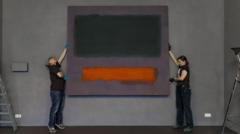
The Museum Boijmans Van Beuningen in Rotterdam recently faced a surprising turn of events when a child accidentally scratched a seemingly priceless painting, Grey, Orange on Maroon, No. 8, by famed artist Mark Rothko. The estimated value of the abstract masterpiece? A staggering €50 million (£42.5 million). The incident took place during a moment when the artwork was not being closely monitored, according to the museum's spokesperson. While the museum indicated that the damage was "superficial," with visible small scratches on the unvarnished paint layer, conservation experts have been called to assess the situation. Sophie McAloone, a conservation manager, explained that modern unvarnished paintings, like Rothko's, are particularly vulnerable due to their unique materials and characteristics. The museum aims to restore the painting, assuring the public that it will be displayed again in the future.This has raised questions for other cultural institutions worldwide. For example, Jonny Helm from an art restoration service pointed out that UK museums, such as the British Museum and V&A East, are considering opening up previously secured artworks for public viewing. However, how will the Rothko incident influence these future exhibitions? Additionally, insurance broking experts noted that policies cover accidental damage, but it's unclear who would ultimately be responsible for repairs in this case. Interestingly, this isn't Rothko's first brush with destruction; a previous painting suffered vandalism at Tate Modern in 2012, leading to a long and costly restoration period. Museums vary in their responses to accidental damages caused by young visitors, with some opting for gentle reactions while others hold families responsible for repair costs.Redemption may be in store for Rothko's famous piece, as the museum navigates restoration processes while keeping an eye on pieces yet to be revealed to the public.