In brief
The European Space Agency launches an experiment to test the viability of creating lab-grown meals in space, aiming to revolutionize astronaut diets and reduce food costs for long-duration missions.
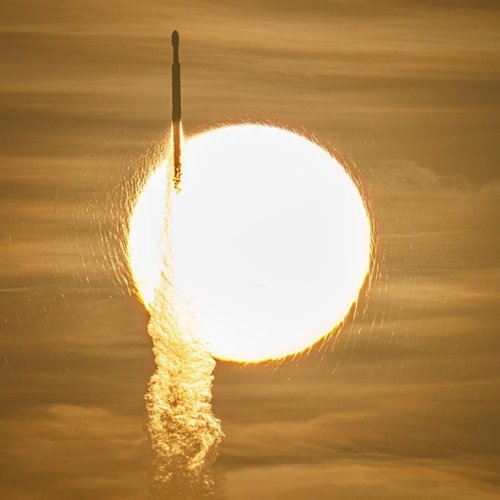
In an exciting leap for space exploration, the European Space Agency (ESA) has launched an experiment that aims to produce edible meals right in the context of space. The initiative, designed to test the feasibility of lab-grown food in low gravity and higher radiation, is a crucial step toward making long-term human habitation on other planets viable.Currently, providing sustenance for astronauts can cost a staggering £20,000 per day. This experiment hopes to reduce costs and eventually lead to the development of small food factories aboard the International Space Station (ISS) within two years. Dr. Aqeel Shamsul, CEO of Frontier Space, envisions a future where astronauts can grow their food. "Our dream is to have factories in orbit and on the Moon," he shared.The lab-grown food process involves cultivating food components like proteins, fats, and carbohydrates in controlled environments. This scientific advancement is already taking shape on Earth with lab-grown chicken being sold in the US and Singapore, while lab-grown steak is seeking approval in the UK and Israel. In space, however, the aim is to diminish costs associated with shipping food.Dr. Shamsul’s team has sent yeast-based concoctions to orbit on the ESA's Phoenix spacecraft. The mission, which will orbit the Earth for three hours before returning to the sea near Portugal, aims to analyze how this production method holds up in space. If successful, they’ll expand their research with larger bioreactors in subsequent missions.Despite the potential, the unappealing color of the lab-grown “food” poses challenges. To overcome this hurdle, culinary experts at Imperial College London, including master chef Jakub Radzikowski, are working to transform these ingredients into palatable meals. While awaiting regulatory approval to use lab-grown ingredients, Jakub is testing recipes using naturally occurring starches and proteins.Helen Sharman, the UK’s first astronaut, provided her expertise by sampling new dishes. She expressed enthusiasm about the flavor and potential of lab-grown food to enhance astronauts' diets, which often suffer from a lack of variety during long missions. "Lab-grown food could be tailored to meet astronauts' nutritional needs, making it more appealing than traditional options," she noted.The prospect of cultivating food in space represents a thrilling evolution in space travel, potentially making it less costly and more sustainable, as humanity sets its sights on becoming an interplanetary species.