In brief
The doubling of tariffs could disrupt global trade, prompting fears of a negative impact on American businesses.
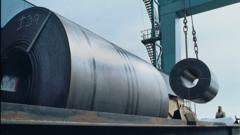
As of Wednesday, President Donald Trump has officially signed an order that doubles tariffs on steel and aluminium imports from 25% to a staggering 50%. This significant hike in import taxes targets metals critical for a variety of industries, from automotive to food packaging. Trump justified the move as a strategy to bolster the future viability of American steel producers, asserting that these high tariffs would compel domestic businesses to buy American materials exclusively. However, this bold action has sparked serious backlash from industry experts and trade partners. Critics are worried that these heightened tariffs could trigger retaliation from other countries and lead to detrimental chaos in the supply chain for US firms heavily reliant on imported metals. Just hours before the tariffs were enacted, many businesses expressed disbelief and disappointment, hoping the action was merely a tactic rather than a firm commitment. Interestingly, the UK managed to negotiate a 25% tariff rate, a move linked to its ongoing trade discussions with the US. Industry leaders are monitoring these developments closely, as the abrupt changes have prompted some American companies to reconsider their investments and product sourcing. In the face of these new tariffs, one business owner lamented that his customers might shift to cheaper alternatives like plastic or paper, creating further instability in the market. Historically, the US has led global steel imports, primarily sourcing from countries like Canada, Brazil, Mexico, and South Korea. Trump previously enacted tariffs during his first term, citing national security, but many companies received exemptions that diluted the impact. With this latest announcement, trade relations with Canada and the European Union are strained, as both parties have prepared to retaliate against US products. As talks unfold, economists warn that these tariffs could have broader implications for the American economy, especially related to job losses in other sectors. Many fear that significant price increases due to the tariffs will pose additional challenges for the economy in the long term. الجواب النهائية boon or bane that questions the real impact and sustainability of such protectionist measures.