In brief
Donald Trump's potential return to power raises concerns about new tariffs affecting US trade, inflation, and economic growth worldwide.
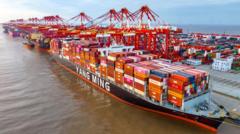
As we inch closer to 2025, the global economy stands at a crossroads, with growth hovering around a modest 3.2%. Under the looming shadow of “Trump 2.0,” uncertainty shapes predictions over trade policies, particularly new tariffs that could push up costs for consumers and stifle international commerce. Recently, many US borrowers experienced a welcomed interest rate cut, but stock markets took a hit after Federal Reserve Chair Jerome Powell warned against future cuts, citing an ongoing inflation battle. The international economic landscape has become increasingly fragile due to the effects of past crises like the pandemic and the Ukraine war. Despite inflation rates creeping back up in various regions, including the US (2.7%) and the eurozone (2.2%), economists express concern over how Trump’s tariffs could cripple trade relationships, particularly with key partners like Canada and Mexico. Experts warn that disrupting established supply chains, such as in the auto industry, could lead to significant price hikes and recessional threats.China, the world's second-largest economy, is also feeling the heat. With exports crucial to its economic stability, potential tariffs threaten to curtail its manufacturing growth. While the World Bank raised China's growth expectations slightly, challenges remain, especially considering the ongoing scrutiny of foreign investments.Tensions with the US have led some companies to search for alternate production sites, although fully replacing China's manufacturing capabilities remains highly complex. One sector at the forefront of this trade tussle is electric vehicles, already facing tariffs in the US and EU, causing further strain on trade dynamics.European leaders express concerns that protectionist policies will hamper growth and increase inflation risks, as Germany and France navigate poor economic performance amid rising political instability. In the UK, inflation pressures could stem from wage increases and tax changes, threatening consumers' purchasing power.As Donald Trump's economic proposals take shape, including potential tax cuts and deregulation, the global economic outlook hinges on US policy decisions. With trade wars brewing and the specter of tariff-induced inflation haunting various regions, all eyes will be on how these developments unfold in the upcoming year.