In brief
As the U.S. Secretary of Health, Kennedy's actions raise questions about the future of vaccine research and public safety.
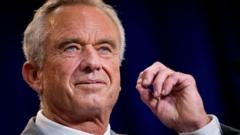
In a controversial move, U.S. Health Secretary Robert F. Kennedy Jr. has announced the cancellation of $500 million in funding aimed at mRNA vaccine research, including critical projects for COVID-19 and flu. This decision raises alarms within the scientific community, with experts debating its potential consequences.Kennedy, known for his vaccine skepticism, claims his review of mRNA technology shows ineffective protection against respiratory infections. He suggests shifting resources towards alternative vaccine platforms which he believes will offer broader and safer protection as viruses evolve. Prof. Adam Finn from the University of Bristol critiques Kennedy's stance, arguing it's a grave mistake to dismiss mRNA technology, which has already saved millions of lives during the pandemic. He suggests that the scientific community might have overemphasized mRNA vaccines but notes their remarkable achievements.Further inquiry into mRNA vaccines reveals that while they provide targeted immunity against COVID-19, they are not without challenges. For instance, wane immunity and the need for continual updates are inherent to their design, especially against rapidly changing viruses like flu. However, experts argue that mRNA vaccines have shown superior performance in pandemic scenarios when compared to traditional methods.The broader implications of halting mRNA research extend to global health preparedness. With various viral threats looming, experts express concern that this decision could hinder timely vaccine development for potential pandemics, making the world more vulnerable to outbreaks. As debates continue within the scientific community, the future viability of mRNA technology, not just for COVID-19 but for varied medical applications, remains precarious—a situation that could impact public faith in vaccines and health policy.