In brief
As Estonia, Latvia, and Lithuania hurry to complete Rail Baltica, a crucial high-speed railway, the project’s soaring costs and strategic significance grow ever clearer amid fears of Russian aggression.
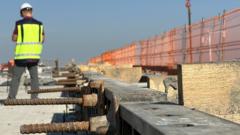
In a bid to enhance security and connectivity, the Baltic states are pushing ahead with Rail Baltica, a high-speed railway designed to cover 870km (540 miles) across Estonia, Latvia, and Lithuania. Originally conceived as a grand infrastructure project, the urgency has intensified following Russia's invasion of Ukraine, with the Baltics seeing it as critical for national security and economic growth.Set to link directly to Poland, Rail Baltica will shorten travel times and bring environmental benefits; however, mounting costs are a major concern. The project, which began with estimates in the billions, has now soared to around €24bn due to unexpected global crises including the COVID-19 pandemic and rising inflation. Estonia’s Infrastructure Minister, Vladimir Svet, highlighted the railway’s necessity amid the ongoing conflict, echoing the haunting memories of Soviet occupation. The project aims to bolster military mobility, with thousands of NATO troops stationed in the Baltics.Despite ongoing construction efforts—including a new passenger terminal in Tallinn—the project has faced criticism for prioritizing terminals over the main railway line, and funding for the first phase remains uncertain. The Baltic states are working to streamline their project approach amidst regulatory differences and will likely need to tighten budgets or seek loans to ensure progress.As tensions rise, the completion of Rail Baltica is seen not just as an infrastructural achievement, but a vital connection to European networks, reinforcing the Baltics’ commitment to safety and solidarity within the EU and NATO.