In brief
In the latest Serbian parliamentary contest, a fresh wave of youth politics has pushed back against long‑time president Aleksandar Vučić. The Student List, led on paper by professor Ilija Srdanović, promises a democratic reset after a tragic collapse at a Novi Sad station sparked nationwide protests. Vučić, who has dominated Serbian politics since 2012, defends his record and slams the movement as foreign‑backed. With polls showing a tight race, the nation is poised to decide between a charismatic single‑leader model and a collective, experience‑evolving student front. The battle could change how media, infrastructure and foreign ties play out in the region.
Young students are shaking up a decade‑long political dynasty in Serbia.
The Student List, a crowd‑sourced slate of 250 candidates‑including professors, athletes and engineers, is challenging president Aleksandar Vučić for control of the national parliament. On the front line is Ilija Srdanović, a university professor who rode a motorbike in a yellow jacket full of student slogans to capture the public’s imagination.
The movement came from protests that erupted after the tragic collapse of a canopy at Novi Sad railway station, a disaster tied to Vučić’s infrastructure spree. Those protests turned from anger to organized politics, giving the Student List a clear platform: transparency, civil society values, and the promise to “take back” the freedoms stripped in the past decade.
Vučić, who has occupied the roles of deputy PM, prime minister and president since 2012, sat in a single‑leader style ante‑face. He remains popular with those who credit him with economic growth and a push for a high‑speed line linking Belgrade and Budapest, though critics say he’s used state resources to keep media biased.
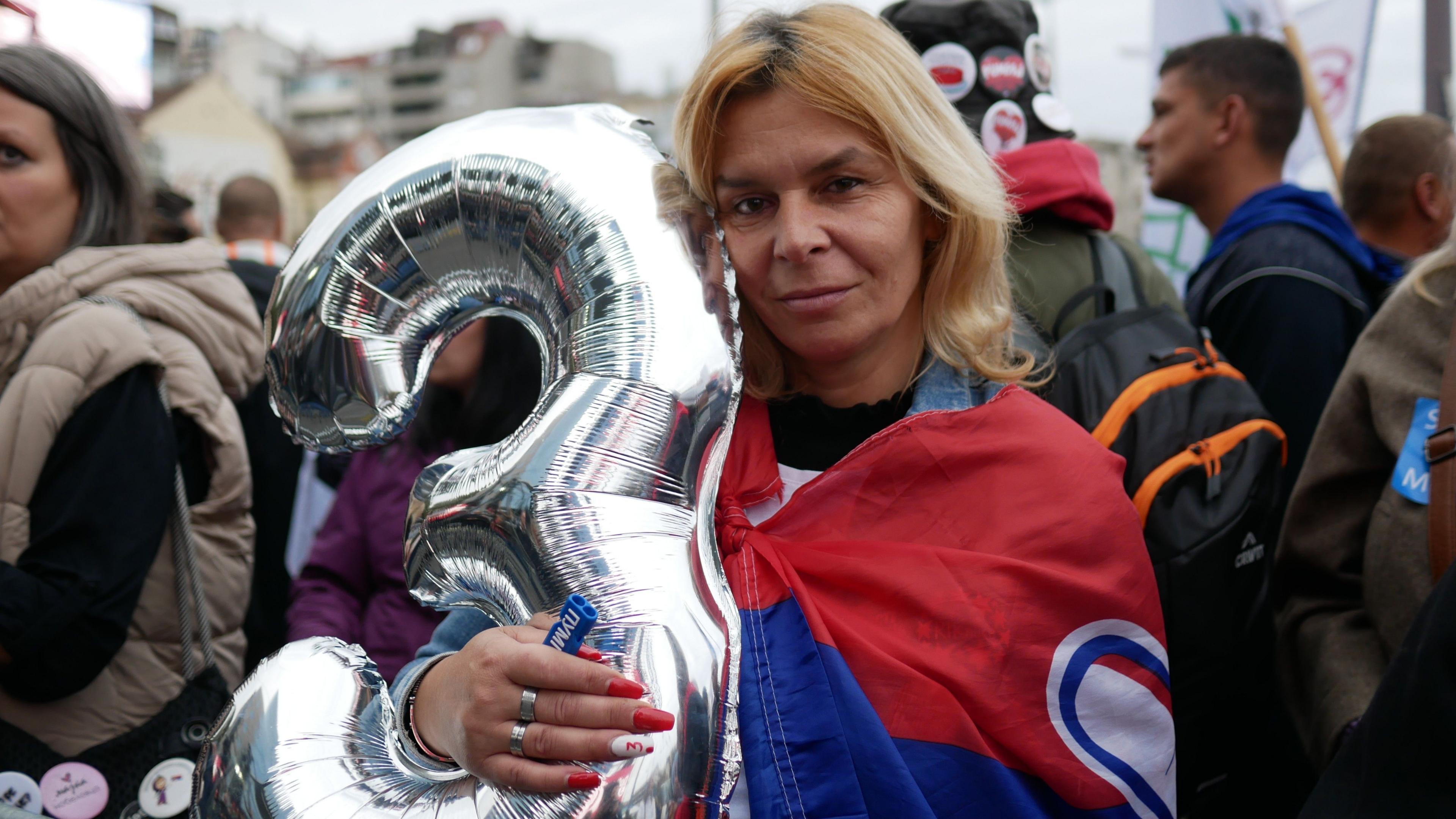
Campaign rallies have been polarized. The Student List’s final rally drew an estimated 150,000 supporters at Belgrade’s Slavija Square, while Vučić’s SNS staged a final speech at Belgrade Arena. Both sides have deep narratives: one a collective renewal, the other a charismatic continuity.
On the international front, Vučić’s ties to Russia and China have been highlighted as a hurdle if the Student List wins, while his own campaign promised to balance EU accession talks with those ties. The eye‑popping question facing voters is whether they want a single, history‑rich leader or a new, more distributed governance model.
With polls thin and the result uncertain, Serbian citizens have a rare chance to pick the future of their democracy, making the coming days a high‑stakes spectacle that could reshape the country’s trajectory.