In brief
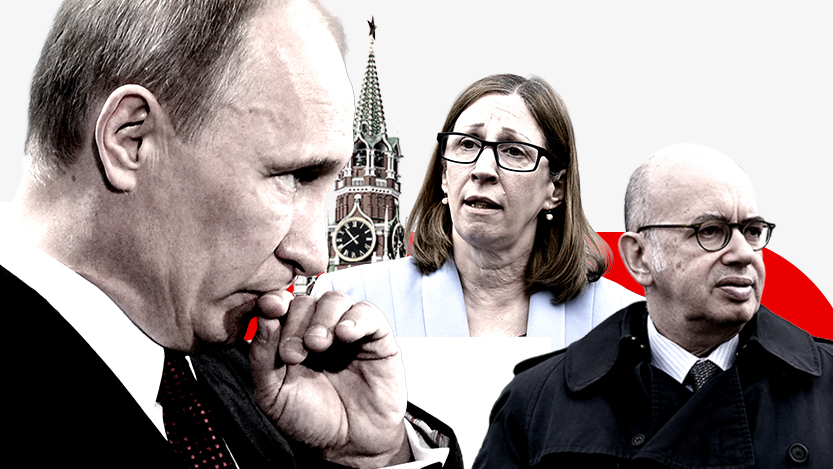
The war in Ukraine has turned Moscow’s embassies into high‑security zones where Western ambassadors are watched, isolated and constantly on edge. Former US envoy Lynne Tracy describes it as the toughest job of her career, while ex‑French ambassador Pierre Levy recalls losing staff and dealing with fierce counter‑intelligence. From listening devices hidden in gifts to living under prop‑up cameras, the diplomats speak of a new brutality that turns everyday diplomacy into a game of nerves. Sanctions and staffing shortages make life even harder, and many officials have quit or cut ties to protect themselves. Yet they insist that their role—connecting the two worlds—was never more critical.
“Being the ambassador to Russia was probably the hardest assignment of my career,” says Lynne Tracy, who served from 2023 to 2025.
Once a diplomatic hot‑spot, Moscow’s embassies are now on high‑security watch. Western officials are monitored, isolated and often stripped of staff after the 2022 invasion began. The pressure resembles Cold War tactics – but with a digital twist: listening devices, undercover cameras, and state‑run “spy dust” that can track a person’s movements.
“Expect listening devices, expect cameras in every single room of your house,” a former European ambassador recounted. He added that Moscow’s security service, the FSB, has even tried to recruit embassy staff as informants, forcing the diplomats to terminate them under threat of criminal charges.
Fewer people in embassies has created a logistical nightmare. Routine leaks, like a single leaking pipe, can interrupt operations because sanctions have cut off banking and credit services. One US team even had to bring in cash by suitcase to keep paying staff.
“Because at some point, government‑to‑government relations will have a chance to improve – and those ties between people will be there to help speed the improvement.” – Lynne Tracy
Ex‑ambassadors confess that the constant paranoia has led some to resign. Even after leaving Moscow, one said he still looked over his shoulder for months. The ethos is clear: every move matters when a country can turn a diplomat into a stakeout target.
Despite the gloom, the diplomats argue they play a crucial bridging role. With formal channels shut, they are the only survive channel to understand what’s happening inside Russia and to keep ties flowing, whether with the average citizen or their own governments.
For younger audiences, imagine a prop‑up office that doubles as a spy theatre: every conversation could be recorded, every note might trigger a surprise raid, and even a friendly chat could be weaponised. That’s life for an ambassador in war‑time Moscow today.