In brief
A debate brews in Europe about strategic nuclear defense as leaders express concerns about relying on U.S. protection, considering independent nuclear deterrents.
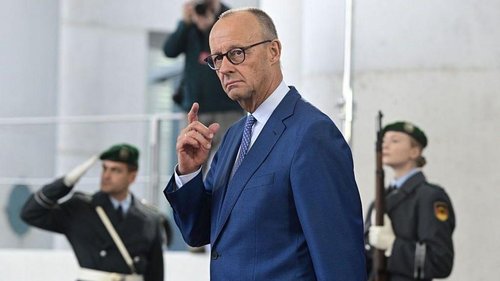
Germany's new chancellor, Friedrich Merz, has stirred up significant discussion across Europe regarding nuclear deterrence. Amid growing uncertainty about the reliability of the United States under President Trump, Merz proposed discussions with France and Britain about extending their nuclear capabilities to ensure Germany's security. Polish Prime Minister Donald Tusk echoed these sentiments, noting the "profound change" in American geopolitics, particularly given Poland's precarious history with Russia. He hinted that Poland might contemplate developing its own nuclear armaments in response to the shifting landscape.Meanwhile, Polish President Andrzej Duda urged the U.S. to relocate some nuclear weapons to Poland for enhanced security, arguing it would be a safer arrangement. The reaction to these talks has been intense given the delicacies of nuclear discussions and the importance of NATO's collective defense promise under Article Five, which is tightly linked with the American nuclear umbrella.Despite Trump's insistence on maintaining U.S. nuclear support for Europe, many traditional allies feel increasingly anxious and question whether they can truly rely on American protection. This has ignited a serious debate throughout Europe about crafting an independent nuclear strategy and what the future of nuclear defense might look like on the continent.