In brief
A cowboy priest in a tiny Texas chapel keeps a low‑key watch on the border. He’s seen how Trump’s promise of a wall won Hispanic voters in 2020, and how ICE arrests, now overwhelming in Texas, are turning that tide. Recent polls show a sharp dip in support for the president among the state’s Hispanic community, and even some longtime Trump backers are eyeing a Democratic vote for November. As Democrats gear up for the 2026 mid‑term, the Rio Grande Valley is a battleground for the future of border politics and Latino voting power.
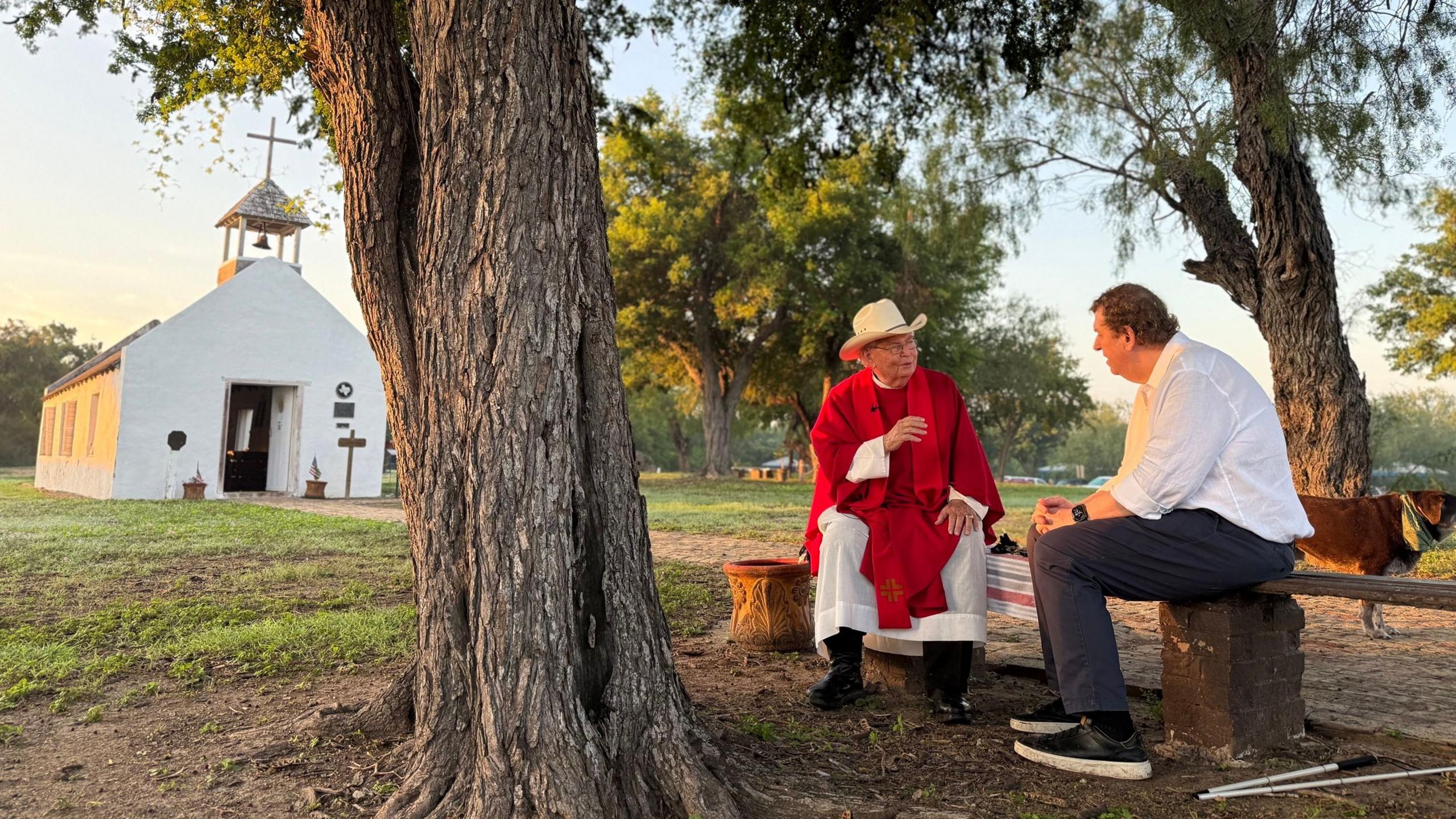
At dawn, a small white chapel on the Rio Grande Valley gathers a handful of believers, and the bell of Father Roy Snipes clicks as his dogs bark. Known as the Cowboy Priest, he’s walked these grounds for half a century, standing up when the Trump administration tried to turn his chapel’s land into a border wall.
Fast forward to July 2026: Texas accounts for about a third of all ICE arrests in the U.S., a figure that dwarfs every other state. The same loud, echoing walls that once snagged a wave of Hispanic voters for Trump are now the backdrop of protests and family separations, sparking outrage in the very same communities he once won.
After a 2024 re‑election, polls show that most Texan Hispanics disapprove of Trump, flipping from the 55% turnout he once captured in 2020. A young businessman, Mario Guerrero, says he voted for Trump three straight times because he wanted a secure border, but now he’s switching to Democrats as ICE’s tactics feel too extreme for ordinary folks.
Democrats hope to win key Texas seats in November. In the 15th Congressional District, where the lines were redrawn to favor Republicans in 2025, Democratic candidate Bobby Pulido—a popular Tejano singer—claims he’ll focus on the economy and everyday issues rather than national politics. He’s one of a few candidates who can appeal to voters tired of the “red wall” rhetoric.
If this shift toward Democrats continues, the state could shift from one of the most Republican strongholds to a fiercely contested battleground during the 2026 mid‑terms. The move would energize Young voters outside Texas, where the country’s newest, most diverse generation is fresh in the headlines and counting toward a new kind of politics.