In brief
Despite a major earthquake that devastated parts of Myanmar, military forces continue to engage in hostilities, obstructing vital aid efforts.
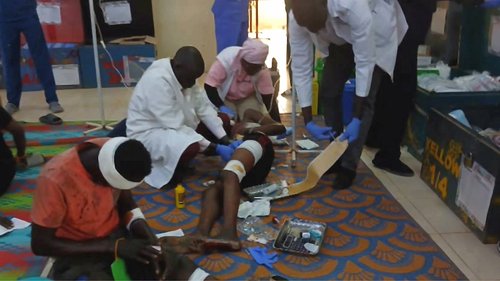
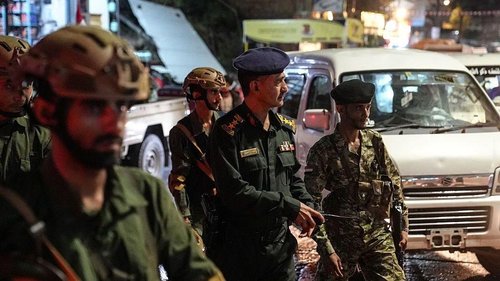
The aftermath of the recent earthquake in Myanmar has created a horrifying scenario for those affected, with at least 2,700 reported dead. Amidst this disaster, military forces attacked a convoy of Chinese Red Cross vehicles delivering crucial aid to Mandalay, according to reports from a rebel group. Despite the catastrophic event, Senior Gen. Min Aung Hlaing, Myanmar’s junta leader, has declared that military operations will persist as “protective measures.”The convoy was targeted late Tuesday night as it made its way through Ummati village, prompting a retreat to Naung Cho Township. Fortunately, the Ta’ang National Liberation Army (TNLA) intervened to help safeguard the aid, ensuring it reaches those in dire need. This situation underlines the chaos of delivering aid within a war-torn region where ongoing military strikes pose severe risks.China, a key ally of Myanmar, promptly dispatched search-and-rescue teams and committed significant financial support for earthquake relief efforts. Despite some cease-fire announcements from both the National Unity Government, a shadow government in exile, and the Three Brotherhood Alliance—a coalition of rebel groups—the junta has continued a campaign of airstrikes, including a recent incident that killed 38 trainees of the Kachin Independence Army.The targeting of aid convoys raises serious questions about the safety and efficacy of humanitarian efforts in Myanmar, where reports indicate that troops are blocking access to collapsed structures and imposing curfews that hinder rescue operations. Such developments illustrate the immense challenges in providing help to a population facing both natural disaster and armed conflict.