In brief
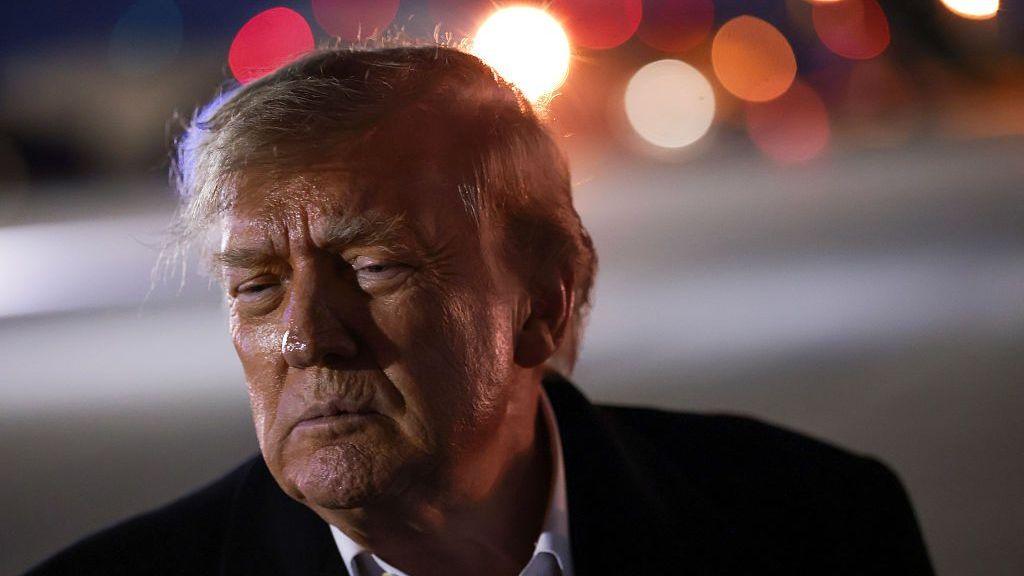
In a high‑profile defamation case, former President Donald Trump is ordered to sit for a deposition by December 11. The lawsuit claims the BBC’s Panorama episode miscut his 2021 speech, making it seem he called for violence. Trump withdrew a prior deposition citing “national importance,” but the judge made it mandatory unless discovery is extended. The BBC has apologized, arguing the clip didn’t meet defamation criteria and wasn’t shown in the U.S. Trump has since dropped a related suit against the BBC’s commercial arm.
What’s Happening in the Trump vs. BBC Case?
A U.S. magistrate judge has told former President Donald Trump he must answer questions under oath about a BBC documentary by 11 December.
The lawsuit alleges the BBC’s Panorama programme cut and mixed two parts of Trump’s post‑Capitol riot speech, making it look like he urged violence. The broadcaster later said the clip gave a “mistaken impression” of Trump calling for violent action and apologized.
Trump had cancelled a scheduled deposition on 16 October, citing “matters of national importance” while campaigning in Georgia. The judge, Enjoliqué Lett, said the deposition must occur unless the discovery period is extended.
The BBC has asked the court to dismiss the lawsuit, arguing the programme did not meet U.S. defamation standards and was not available in the country. Trump later dropped a related action against the BBC’s commercial arm.
The case remains a headline reminder that media clips can ignite legal battles, and that even powerful figures can be held to legal testimony deadlines.