In brief
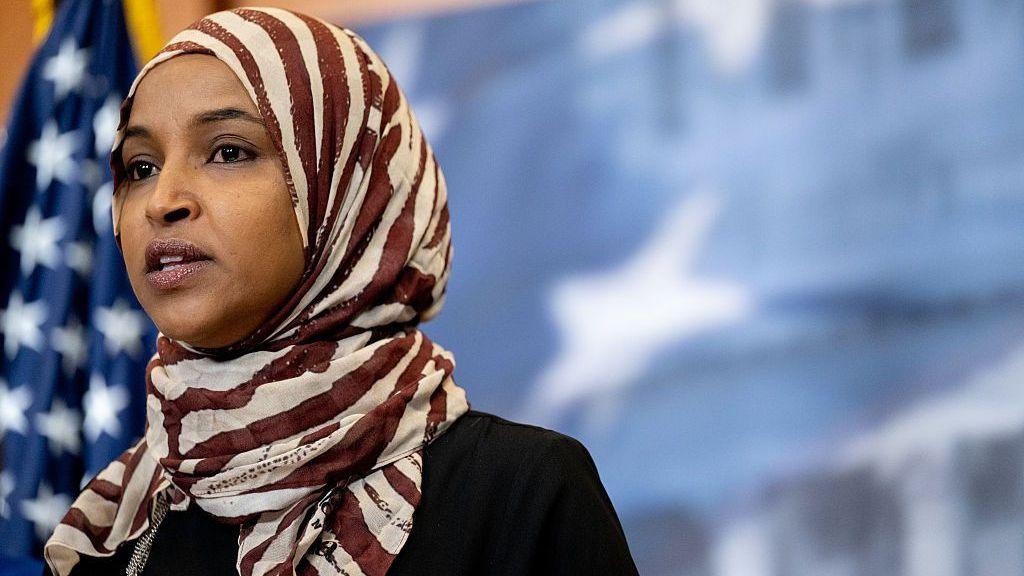
On a cold October morning, federal agents burst into Representative Ilhan Omar’s Washington DC apartment, seizing phones, notebooks and other personal items. The raid, filmed by the media, left Omar and her husband stunned and led her to announce that she could no longer live at the address. The incident has ignited criticism from Obama and a backlash against Trump, while sparking conversation about government overreach, immigration status and the power of politics in America.
The 6 am Show‑down
The first rays of October sun had barely brushed the sky when agents from Homeland Security Investigations surrounded Omar’s apartment. Their heavy boots echoed against the floor as they slammed doors and shouted for her to step out. Omar, still half‑asleep, and her husband were left screaming in disbelief.
Agents spent about five hours combing rooms, taking licence plates, phones, notebooks and even a 1960s camera from the husband. The raid was part of an "ongoing federal criminal investigation" – no crime was specified, leaving Omar to worry her address was now on the FBI’s radar.
"With the death threats I get, it’s no longer feasible to live there with my kids," Omar said on a recent MSN interview. She now says she must move out of the house and be on the move to keep her family safe.
The raid also upended the political narrative. Former President Obama slammed the probe as “so appalling,” while Trump – who has long demanded Omar “go back” to Somalia – denied any role, saying it was “nothing to do with me.”
In a stark twist, Omar accused the raid of being a tool of intimidation, calling it an “outrageous abuse of power” and a weaponisation of federal law enforcement. Her words have sparked a heated debate online about the line between national security and political persecution.
Stay tuned as we follow the investigation – the next moves could reshape discussions on privacy, citizenship rights and what it means to be a public official in the age of digital scrutiny.