In brief
The Biden-era proposal for Medicare and Medicaid to cover weight-loss drugs has sparked a health policy conflict, with RFK Jr.'s skepticism contrasting Dr. Oz's support, adding pressure on the new administration to address rising obesity rates.
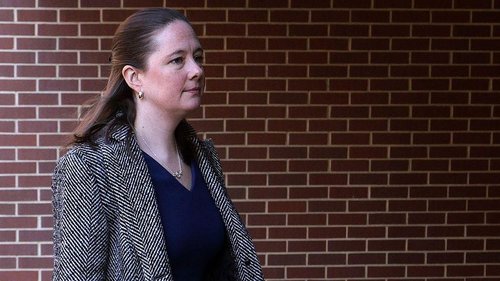
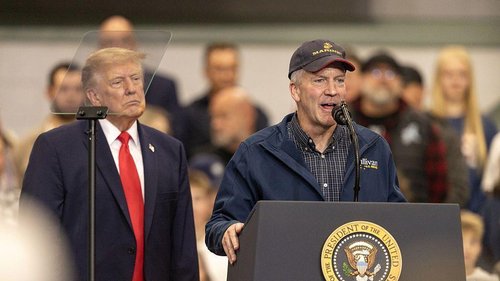
The world of weight-loss drugs is heating up! With Dr. Mollie Cecil’s personal success using GLP-1 agonists—a powerful new class of weight-loss drugs—she witnessed improvements in her health and family life. However, the soaring costs (averaging $1,000 a month) and lack of insurance coverage left her and many patients in the lurch. Currently, only 13 states cover these drugs through Medicaid, and Medicare's federal law bars coverage for weight loss treatments.Once President Biden proposed a change to allow government insurance plans to cover these drugs, the decision fell to Trump's administration. This led to a potential showdown between RFK Jr., an outspoken critic of weight-loss drugs who focuses on diet changes, and Dr. Oz, a health advocate for medical solutions. As major players in the health department, their differing views could greatly influence the future of obesity treatment in America, particularly with over 100 million affected. While there’s pressure mounting to act on obesity solutions, hefty costs would impact insurance strategies—especially given the projected $36 billion expense over the next decade. Ultimately, it poses the question: can effective weight-loss treatments become accessible for all who need them? The future of America’s health may depend on it.