In brief
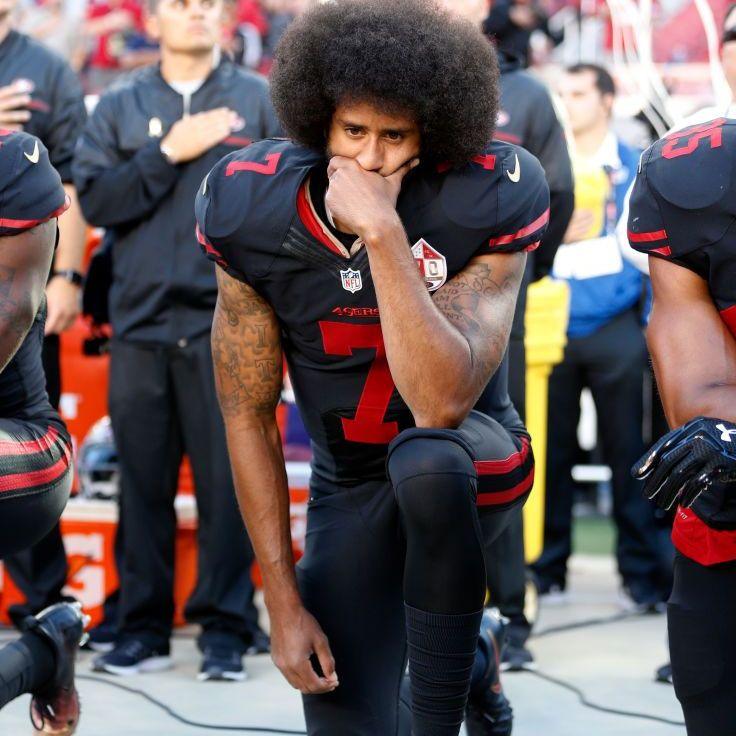
Colin Kaepernick reflects ten years after his iconic knee‑down, affirming he would repeat it and that the cost was worth the change. The former NFL quarterback explains how the act sparked global protest, fueled by the Black Lives Matter movement, and strengthened larger conversations about racism and sports. He shares his personal story, the backlash he faced from fans and politicians, and how the movement now inspires young athletes. Kaepernick also reveals his ongoing efforts to educate, write a memoir and stay ready for a possible NFL comeback. In all, the ex‑'49er underscores that sport and politics are inseparable and that the fight for equality continues.
“I would do it again.” That’s Kaepernick’s promise after a decade more of doing the same stance that sparked a national debate.
The former 49ers quarterback went to the floor during the anthem in 2016 to protest racial injustice. The gesture was quick, powerful and became a meme—yet it also cost him a playing contract, a salary and a place in NFL history.
Kaepernick admits the world didn’t know he was ready to sacrifice it all. “I knew it could cost me my career,” he says. He still believes the ripple effect for protest and sport is worth every setback.
After George Floyd’s death, the kneel became a global rallying cry. English football clubs’ players took the knee in October’s “No Room for Racism” campaign, and Kaepernick called the moment “humbling.” He urges younger athletes to use their voices because the fight for fairness is ongoing.
The backlash was real. Donald Trump slammed the protest, called it “terrible,” and the NFL threatened fines. Facing that, Kaepernick filed a grievance against team owners, won a $10‑million settlement, and tried one final NFL workout—without success.
But he didn’t stop. He published a memoir, writes children's books, runs a “Know Your Rights” campaign, and keeps training for a possible return. “When I took a knee it wasn’t a sudden act,” he says, “it was years of growing up against injustice.”
Kaepernick says sport and politics are — and always have been — intertwined. He points out players’ stadiums are taxpayer funded, owners vote for policy and the nation still struggles with racism in 2026. His message is simple: keep protesting, keep speaking, and keep building a fair world.
For the next generation of athletes and fans, Kaepernick’s legacy is more than a knee‑down. It’s a reminder that standing up can cost you a career but add history to your own name.