In brief
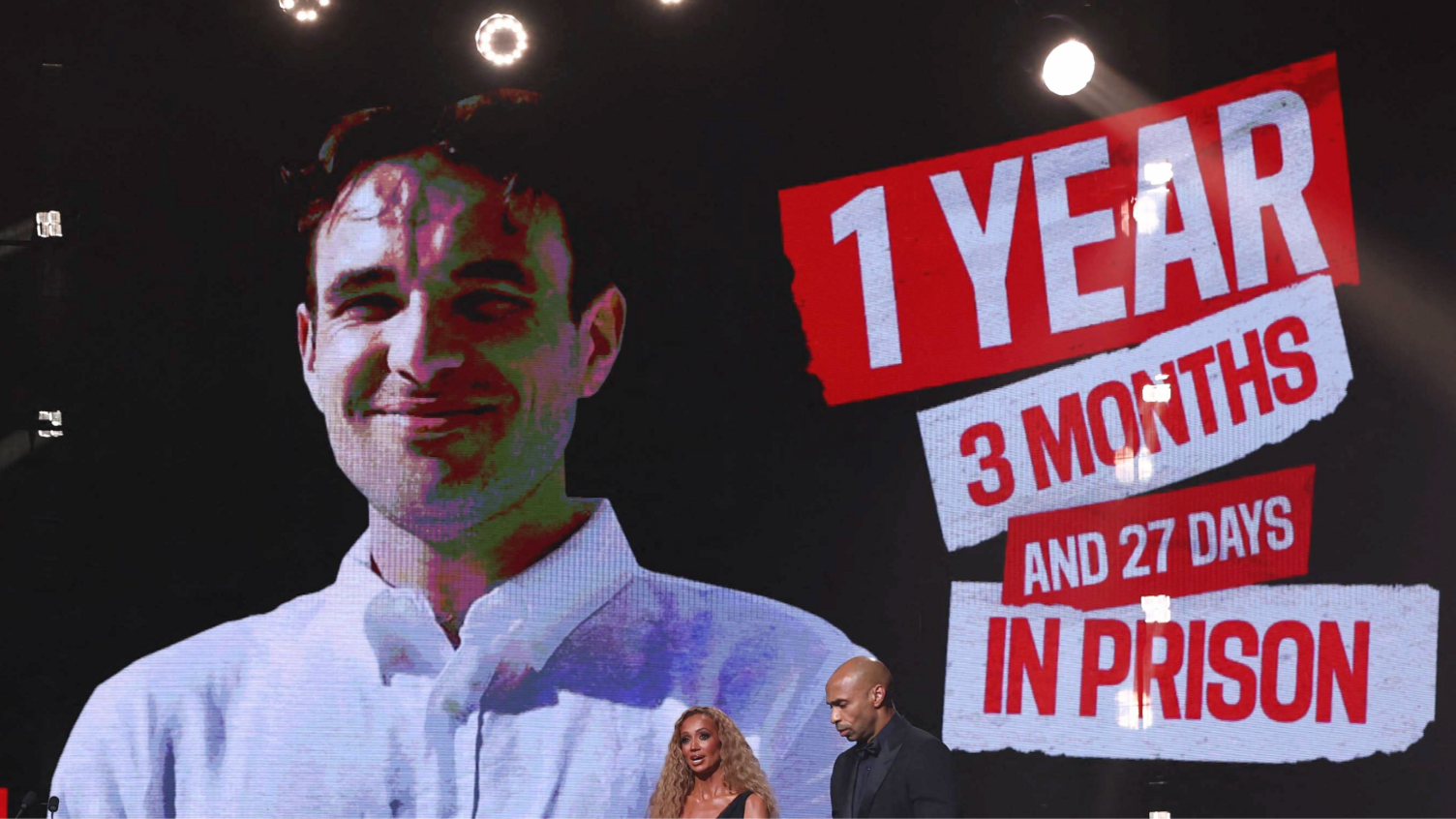
The Ballon d’Or ceremony in London turned into a protest when hosts Kate Scott and Thierry Henry highlighted the plight of French sports reporter Christophe Gleizes, who is jailed in Algeria on terrorism charges. Gleizes travelled to Kabylie to cover a local club, was accused of links with a banned group and sentenced to seven years. Human‑rights campaigners, including Reporters Without Borders, urge his release and organised a football match to raise awareness. The case stokes already strained France‑Algeria relations, especially after France’s recognition of Morocco’s claims over Western Sahara. The incident underscores how journalism, politics and sport can collide on the world stage.
Ballon d’Or in London turned more than a football gala. Presenters Kate Scott and Thierry Henry used the stage to spotlight French sports journalist Christophe Gleizes, who is serving a seven‑year prison sentence in Algeria over alleged terror ties.
Gleizes, 37, was arrested after visiting Jeunesse Sportive de Kabylie in the Berber heartland of Kabylie, a region known for its push toward self‑determination. Algerian authorities say he supported the outlawed Movement for the Self‑Determination of Kabylie (MAK), but reporters argue the contacts were strictly journalistic.
International organisations like Reporters Without Borders (RSF) are campaigning for his release, even organising a solidarity football match on 11 November to mark his 500th day in detention.
The jailing of Gleizes comes amid escalating diplomatic spat between France and Algeria, sparked by France’s recognition of Moroccan sovereignty over Western Sahara and the exchange of ambassadors and diplomats.
What does it mean for journalists? The case shows how quickly a travel trip for coverage can turn into a political flashpoint, and highlights the need for safer legal frameworks for press workers abroad.