In the arid regions of South Africa, a biodiversity hotspot is facing a crisis as illegal trade in protected succulent plants escalates. Organized crime groups are seizing the opportunity presented by worldwide demand for these striking flora. “They’ve not just stolen our land or our plants, they’ve stolen our heritage as well,” laments a local farmer, highlighting the social and ecological turmoil caused by rampant poaching.
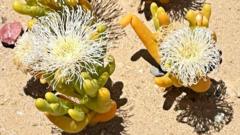
These unique succulent varieties, many endemic to the Succulent Karoo desert, come in various fascinating shapes and colors. While some can be grown in nurseries, the surge in global interest is driving the illegal collection of these plants for smuggling and online sales to consumers in regions like the US and Europe.
In Kamieskroon, a hotspot for poachers, small amounts of these endangered plants can have catastrophic effects on their populations. According to conservationist Pieter van Wyk, several species have already disappeared entirely, and the true scale of poaching is hard to gauge – Traffic reports indicate over 1.6 million illicitly harvested succulents were confiscated by authorities from 2019 to 2024.
As the South African government attempts to address the issue with awareness campaigns, the problem has worsened since the Covid-19 lockdown. With travelers unable to harvest plants for resale, local communities were drawn into poaching to meet rising demand. Organized crime has exploited this situation, using social media to market these treasures, causing further harm to local communities that suffer from the ensuing social decay.
Conservationists are urging consumers to be vigilant about the origins of their plants and discourage the purchase of wild-caught succulents. In China, an anti-illegal trade campaign has successfully reduced online advertisements for endangered varieties by 80% by raising awareness. Efforts are also underway to cultivate succulents sustainably within South Africa instead of relying on illicit poaching, encouraging a more responsible approach to plant conservation.