In brief
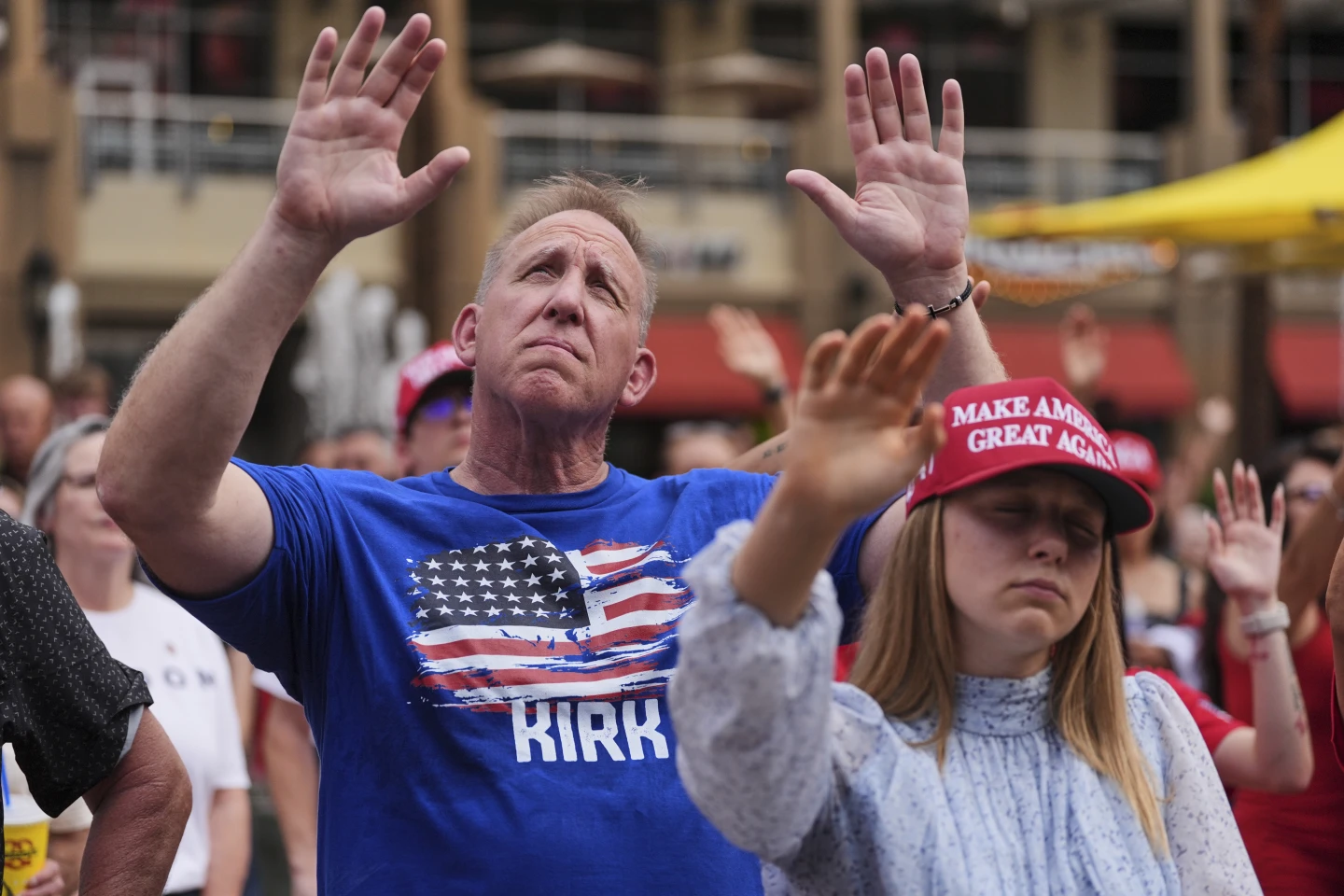
In the wake of Charlie Kirk's assassination on September 10, various religious leaders have referred to him as a martyr, and some conservatives believe his death might inspire a surge in church attendance, especially among youth. While church leaders report increased engagement, experts debate the longevity of this trend, highlighting the need for sustained behavioral change to indicate a true revival. Some charismatic figures allege this moment could resemble past civic traumas, while others caution that historical data suggests such spikes in attendance often don’t last. The discussion continues about Kirk’s impact and whether it signals a shift in American Christianity toward a more conservative stance.
Vice President JD Vance has labeled Charlie Kirk 'a martyr for Christianity,' igniting discussions about his potential influence on young conservatives. Following Kirk's death, reports indicate attendance at evangelical churches has surged, with Baptists noting record numbers at services. Some church leaders observed a '9/11 type effect,' with congregations seeing up to 30% increases post-assassination.Kirk's legacy appears to elicit strong emotional reactions, and many advocates hope this will lead to increased engagement in faith communities. Advocates like Gina Gleason, director of a large California megachurch, anticipate a rise in youth participation. However, political scientist Ryan Burge points out that despite these short-term spikes, historical events suggest that long-term religious revivals are unlikely.While supporters celebrate Kirk as a modern evangelist, critics caution against romanticizing his divisive rhetoric. Prominent figures in both the evangelical and Catholic communities acknowledge the complexity of his legacy while speculating on the possibility of a wave of renewed religious fervor, especially among the youth. Only time will reveal if Kirk's tragic end resolves in lasting change for American churches.