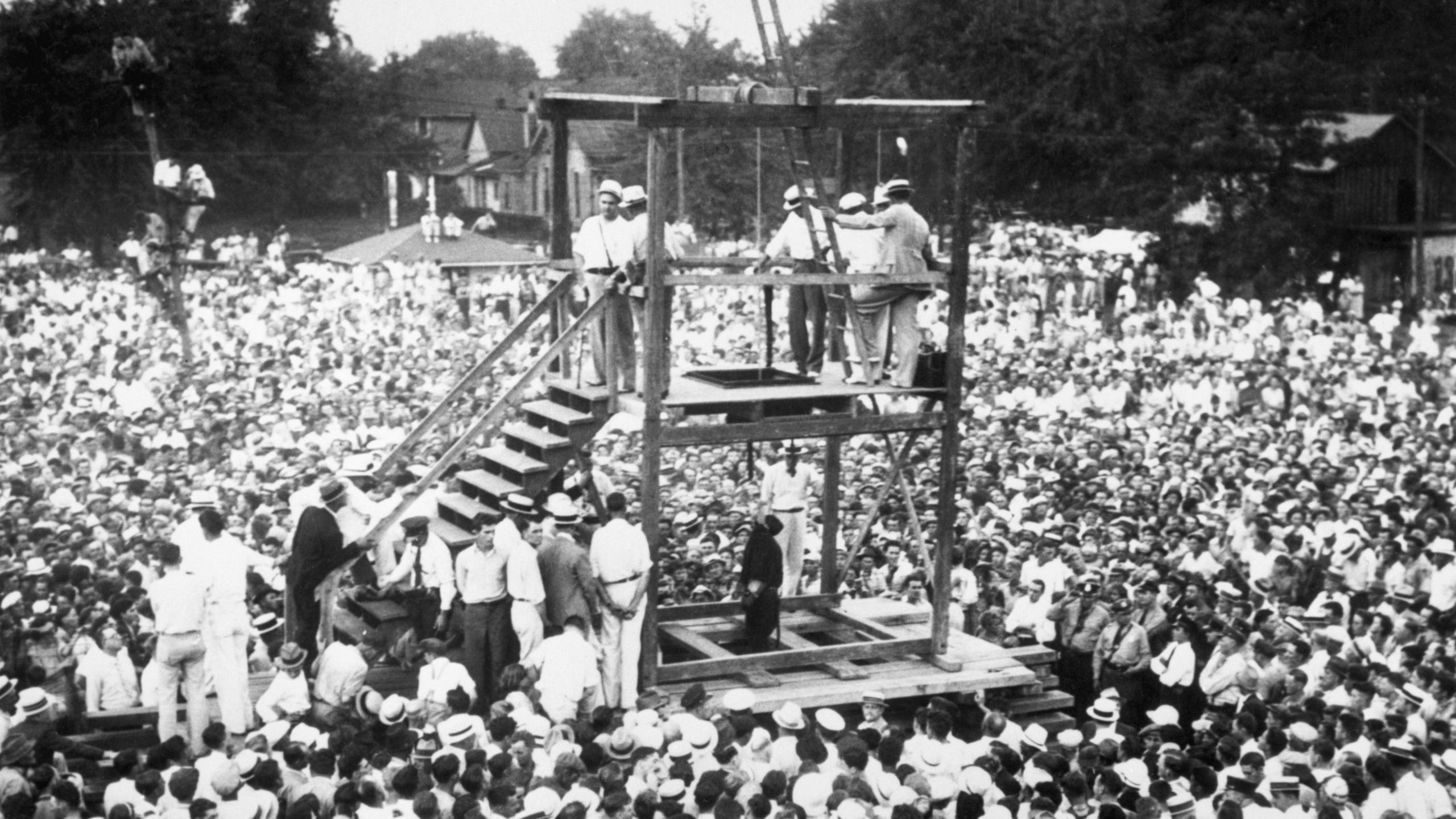
Imagine a humid July afternoon in Owensboro, Kentucky, where 20,000 people line the riverbank for a public hanging. Men, women and children saw ropes, wooden gallows and a black‑clad figure beneath a hot sky.
That was August 14, 1936— the last major public execution in the United States. A young, black man named Rainey Bethea was accused of raping and killing a white widow. The crowd called it a “carnival of sadism” and the night ended with the final rope swing.
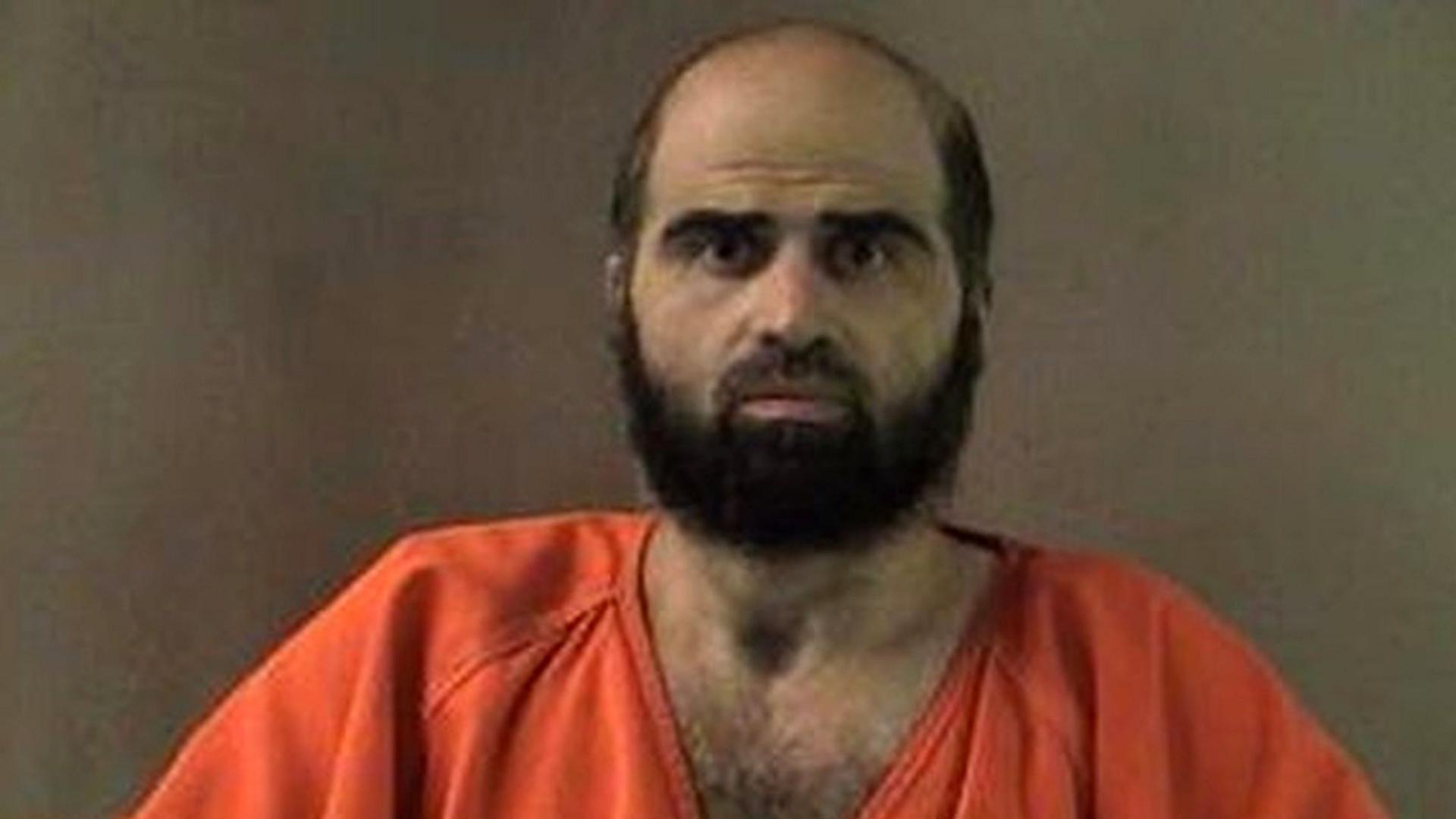
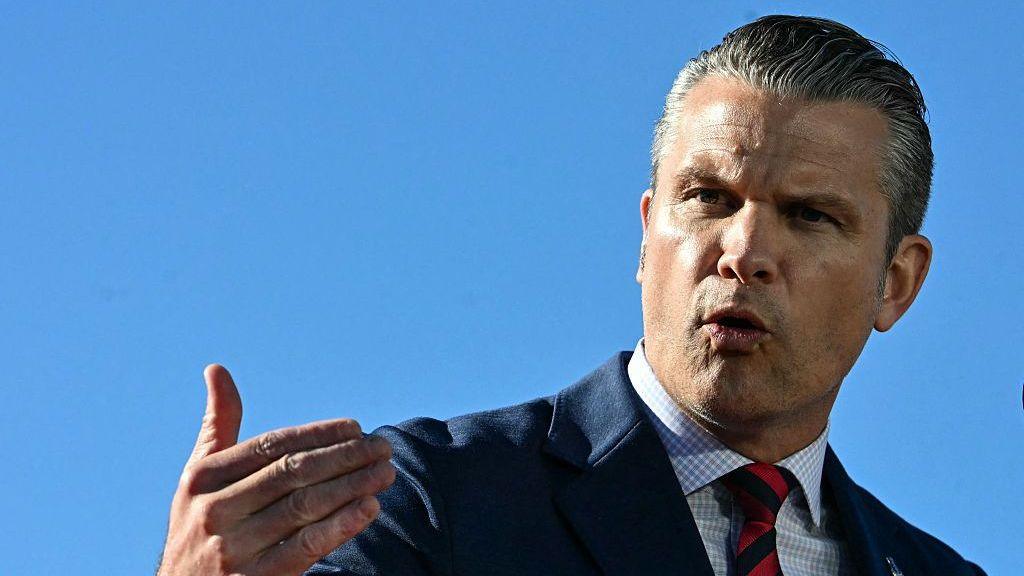
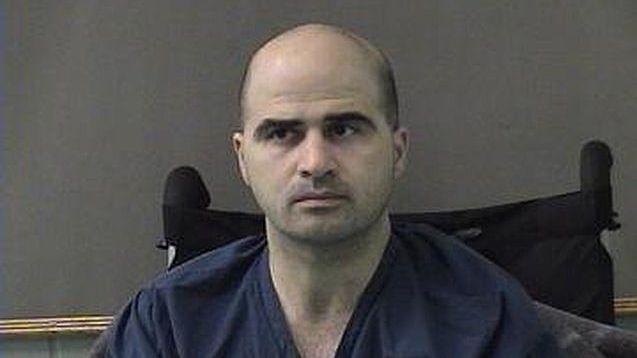
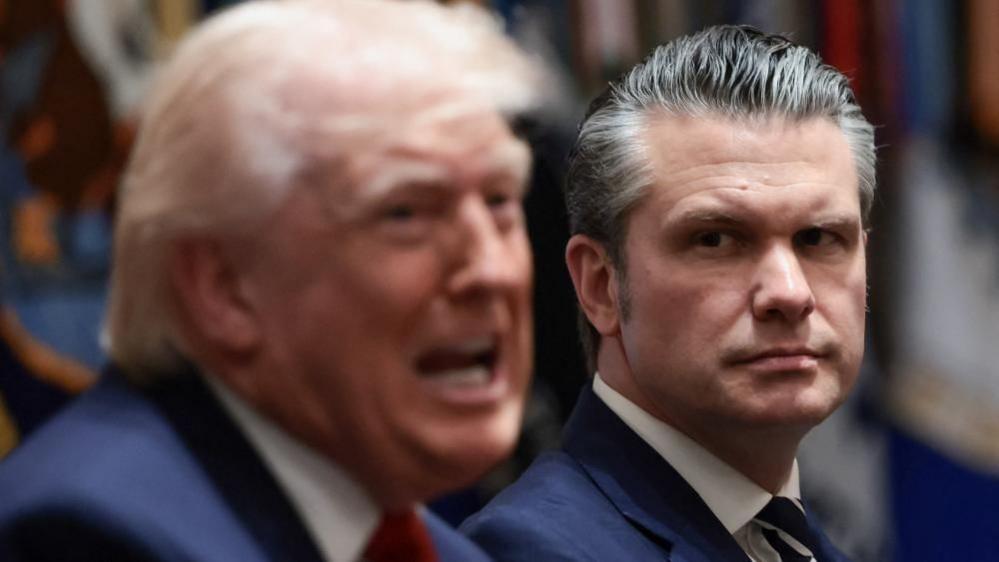
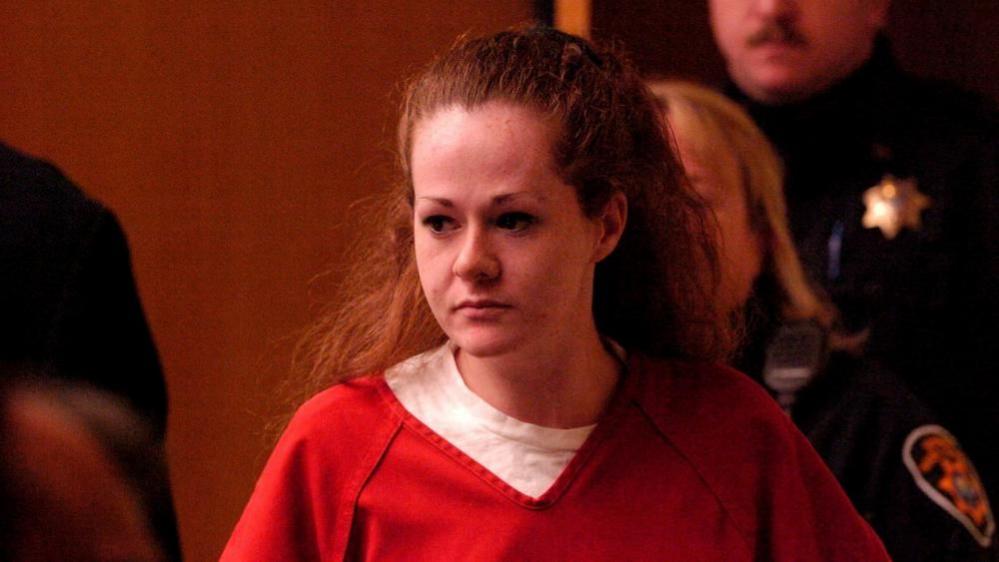
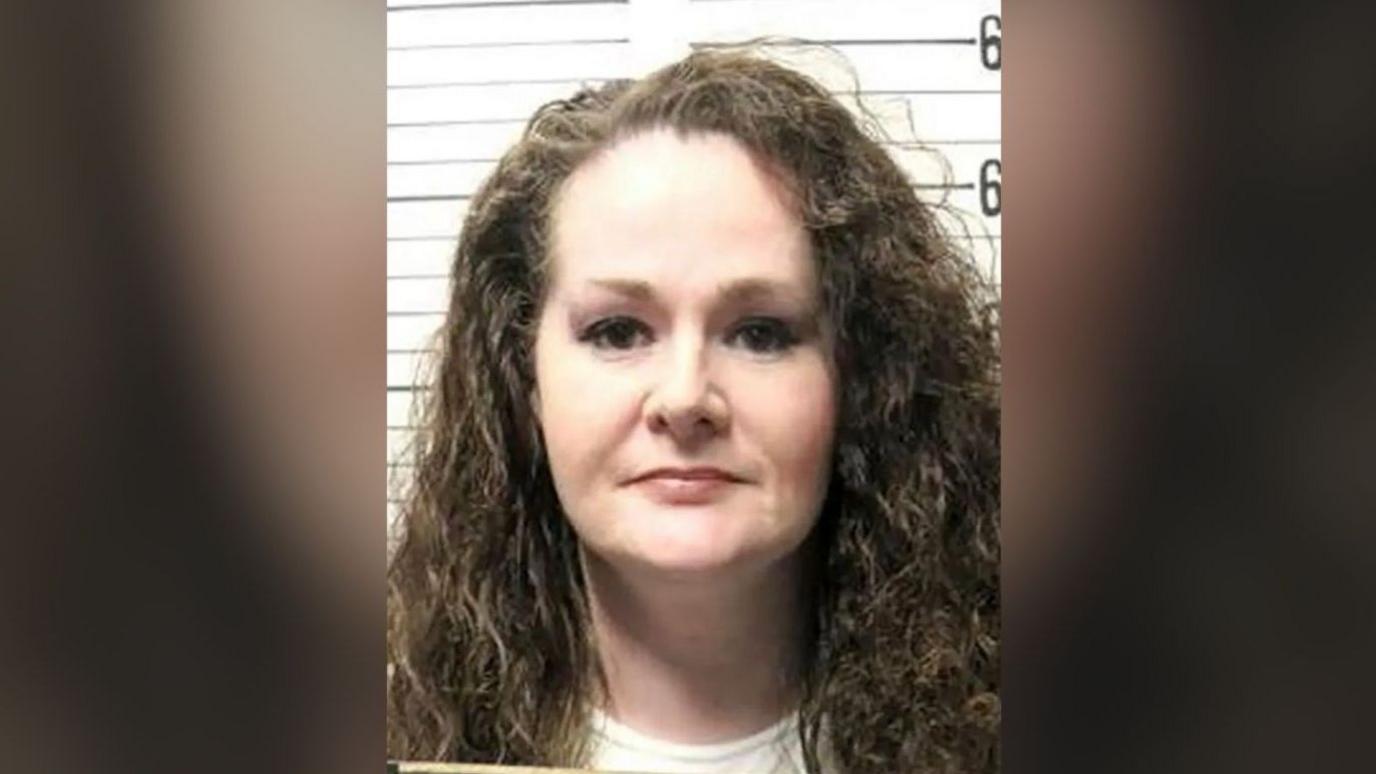
Fast forward 90 years. U.S. Secretary of Defense Pete Hegseth announced that the military would publicly execute Nidal Hasan, the shooter who killed 13 soldiers at Fort Hood. The plan? A firing squad live‑streamed to the internet.
The announcement sparked shock. A professor of capital punishment said the death penalty is no longer the popular “punishment” it once was—drop from 80% in 1994 to 52% now. Placing execution on a global stage feels less justice and more entertainment.
Stake‑holders weigh in too. Some lawmakers say the country isn’t ready for a “public execution” that could be watched by millions. Others, like former President Trump, approve the idea, saying the death penalty is worth it.
The move echoes the old 1936 crowd—only now the audience might be a digital livestream on smartphones rather than a riverfront. Critics argue that bringing an execution online could desensitize the public to violence.
So why is this happening? A mix of political posturing, a nostalgia for old‑fashioned punishment, and a tech world that wants instant media is at play.
If you wonder what it looks like to hang in the 21st century, this story gives you a peek at how old genocidal ideas can still be dressed up in new, flashy tech.
Related: Who is Nidal Hasan? What to know about US plans to livestream an execution online