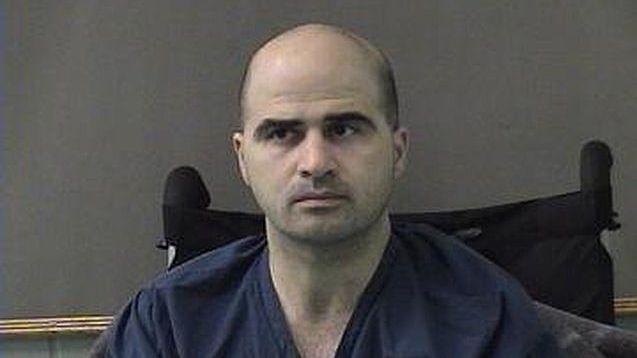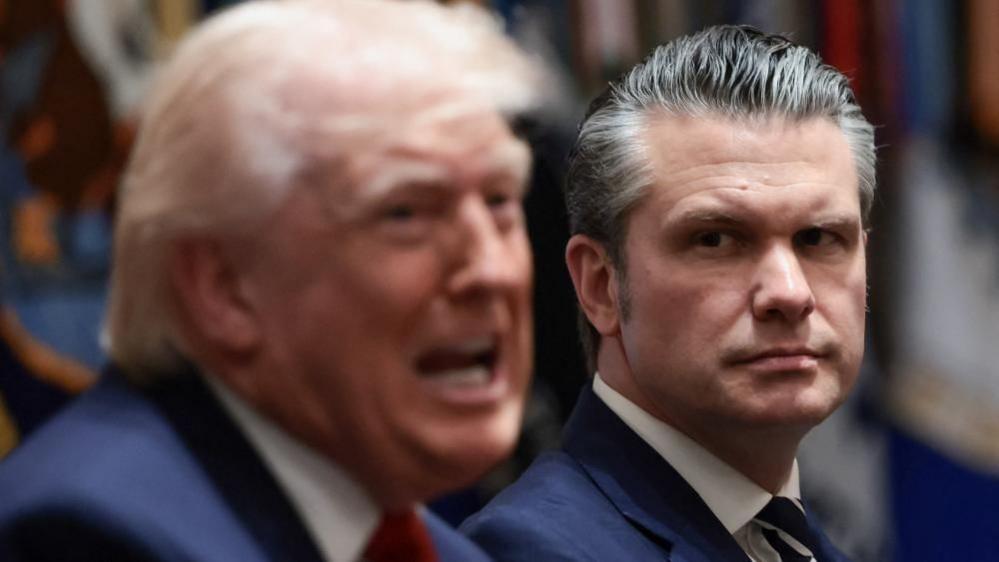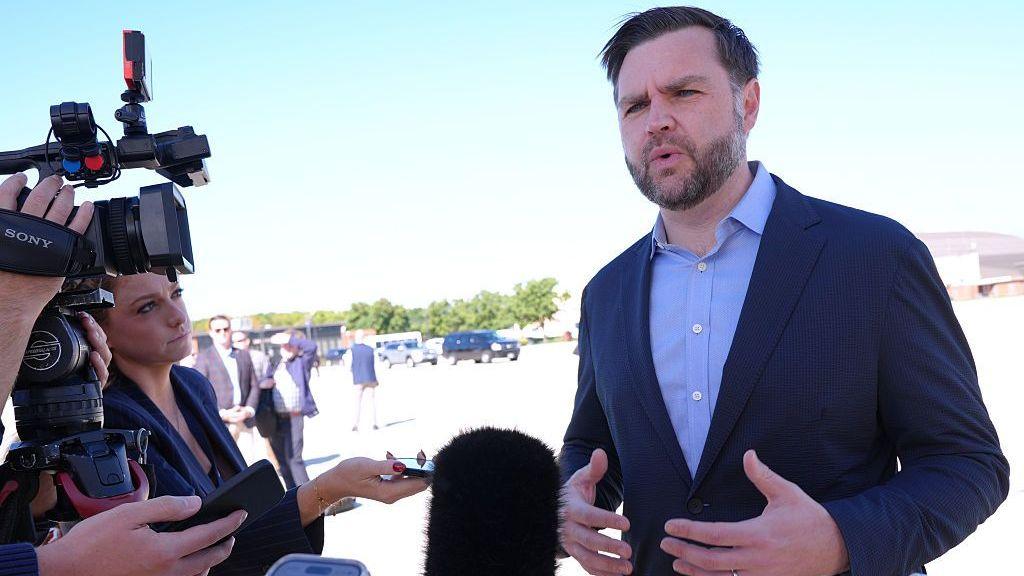
Vice‑President JD Vance is ditching the livestream of the planned firing‑squad death of Fort‑Hood attacker Nidal Hasan.
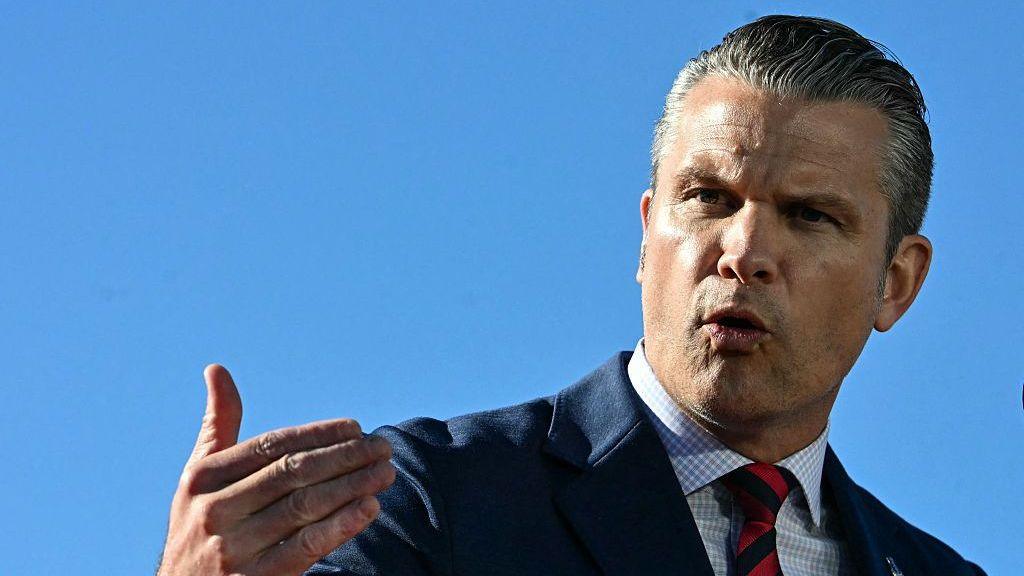
When Pentagon officials said the execution would go on live feed on 12 December, Vance was asked in the press if he would watch.
He shrugged and said he ‘doesn’t know it’s going to happen’ and ‘if it streams, I won’t watch.’ However President Trump’s brief reply was that the plan is ‘absolutely’ approved.
The debate has split lawmakers and tech platforms. Some senators warn that a public execution could cheap‑enough become a spectacle, while social‑media giants like Meta, YouTube and X have rules banning violent content and may block a stream.
The case is the first U.S. military death in over 60 years, so the stakes are high. Industry experts say that, to do it right, any broadcast would have to respect laws, privacy, and the emotional impact—many argue a livestream just adds more harm, not justice.

All this fuels a national conversation on how modern technology changes how we see, watch and react to death sentences—making the irony that a live‑streamed execution is a topic that even teens can’t ignore.