Texas Executes First U.S. Inmate After Botched Tennessee Case
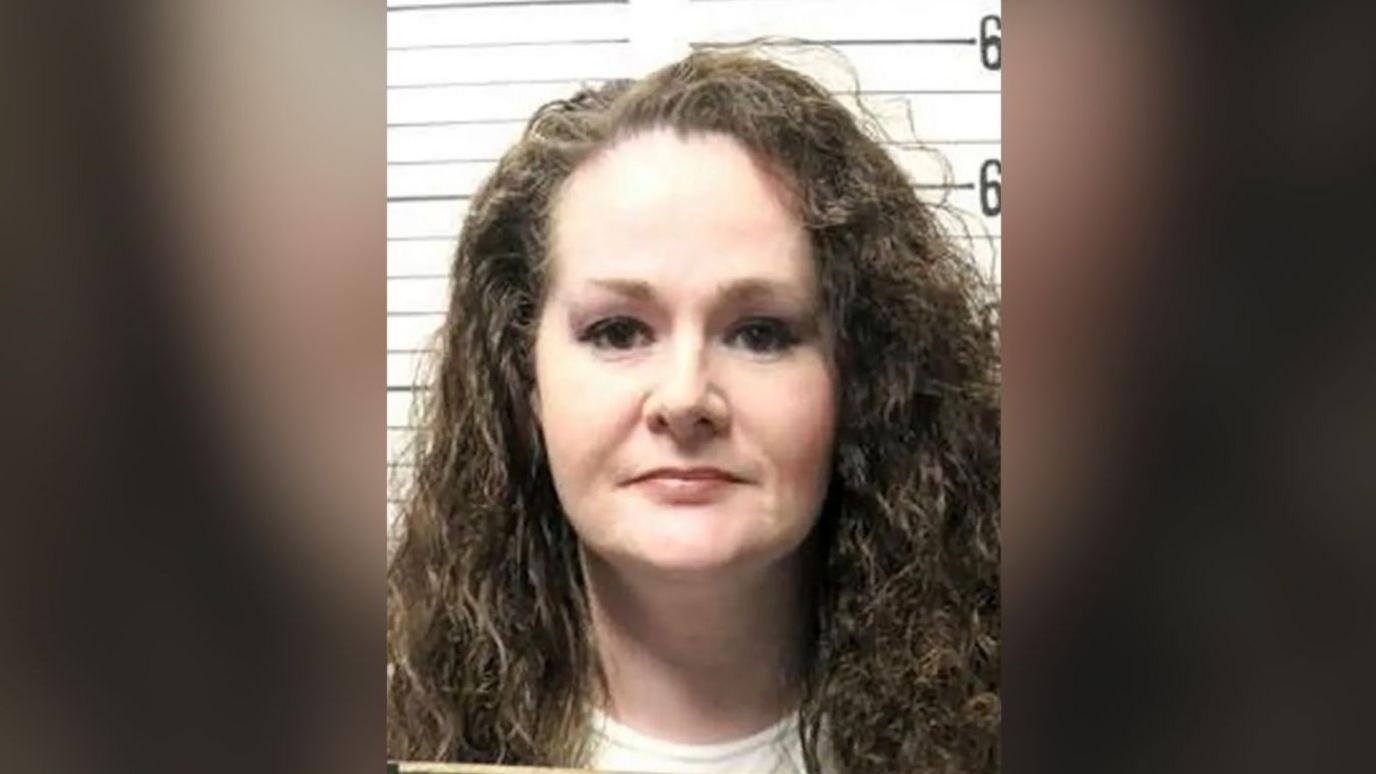
On Wednesday night in Huntsville, Texas, 46‑year‑old Jamaal Howard was put to death by lethal injection after a law‑enforced pause of more than ten months across the U.S.

What happened? Howard was convicted in 2000 for the murder of a convenience‑store clerk during a robbery. His attorneys tried to stop the execution because the same pentobarbital drug that had caused a botched execution in Tennessee last week would be used again.
Both state courts and the U.S. Supreme Court denied the appeals, so the execution went ahead at 20:03 local time.
Reactions and aftermath – Howard apologized to the victim’s family before the injection: “I wish you can forgive me.” The event sparked renewed discussion about whether death‑penalty drugs should be used or banned in the United States.
Key facts at a glance
- Execution: Wednesday, 20:03 local time
- Method: Lethal injection (pentobarbital)
- Punishment: Death sentence for a 2000 murder
- Legal challenge: Courts denied appeals; governor refused stay
- Significance: First U.S. execution in over ten months
The event keeps drawing attention from activists, lawmakers and the public who question how the justice system uses death‑penalty drugs and whether capital punishment should continue in America.