
Why this attack has sparked outrage
In a shocking turn, a 20‑year‑old US Marine, Lance Corporal Devin Jacob Ballard, was arrested for allegedly robbing and murdering a woman at a hotel in Naha, Okinawa. Residents say it’s the latest in a string of violent incidents involving U.S. troops that have sparked anger for years.
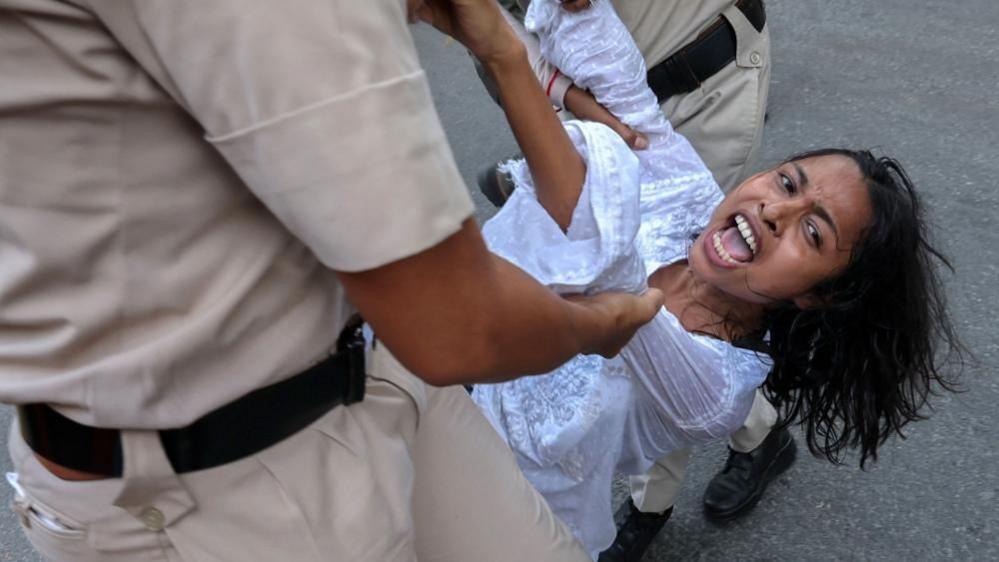
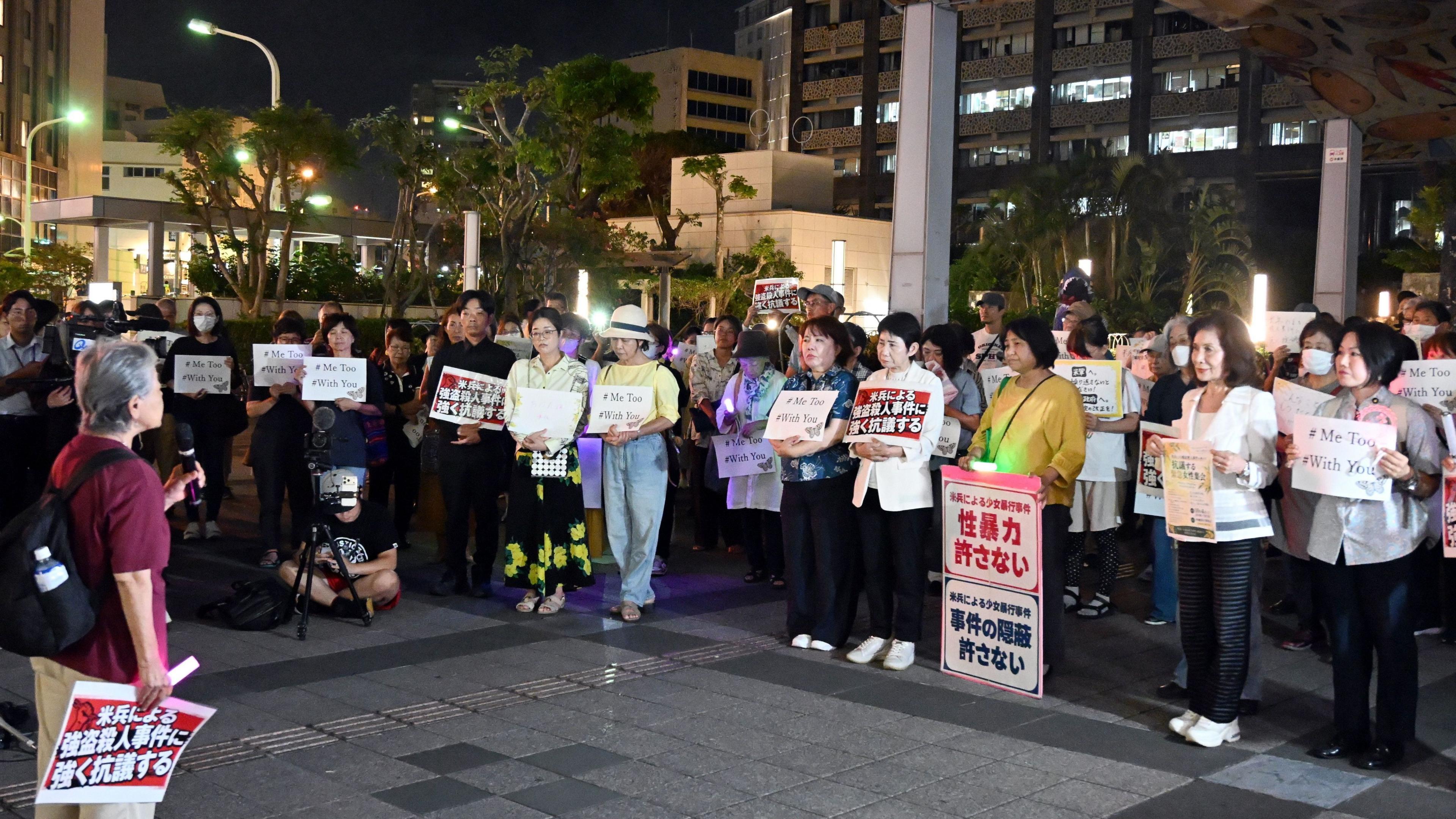
Local protester Ai Sato, who has lived in Okinawa her whole life, told the BBC, “Not again. How many times are we going to repeat the same thing?” Her feelings echo those of many neighbors who have grown tired of perceived impunity.
The bigger picture
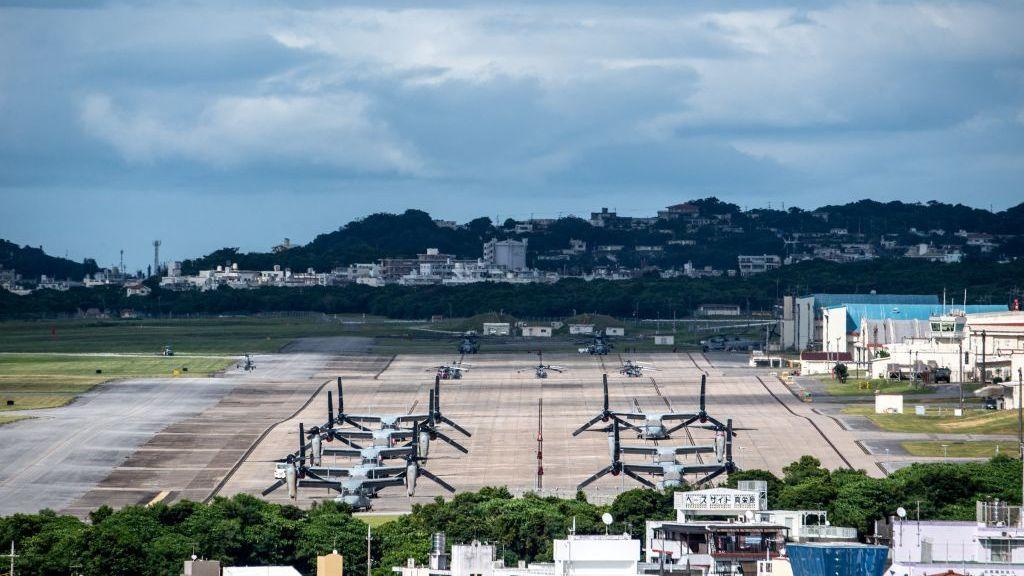
Okinawa carries the heaviest concentration of U.S. forces in Japan – about 55,000 soldiers, cannons, and aircraft. Although Japan controls the territory, the U.S. still has the right to arrest its personnel on certain crimes. That sometimes fuels the perception of unequal treatment.
History has shown that after incidents involving the U.S. military, there can be riots, national‑level protests and demands for policy change. In 2016 a 20‑year‑old local girl was murdered by a U.S. Marine, driving over 80,000 people to the streets of Naha. The fight for justice has lingered ever since.
What people want now
Protesters in Naha and Tokyo have called for direct talks between Japan’s Prime Minister and the U.S. President. They demand: 1) clear accountability for U.S. soldiers, 2) more transparent justice, and 3) a reduction of the U.S. military presence in Okinawa.
Social media is buzzing. “Enough is enough,” one user wrote, pushing for concrete steps instead of empty statements. Meanwhile, lawmakers are scrambling to respond to the district’s plea.
Time for a real change? That’s up for debate, but one thing is certain: the people of Okinawa want their island and its community treated with respect and fairness.