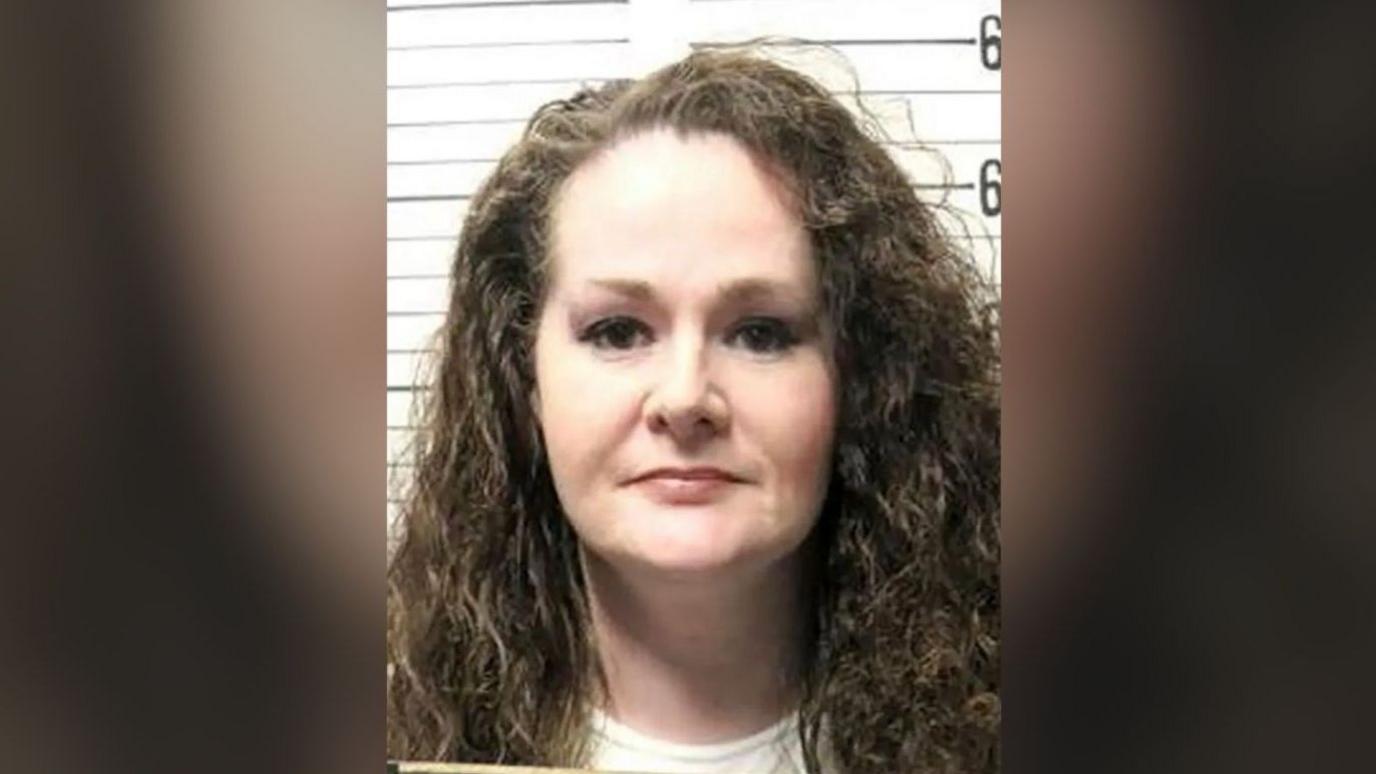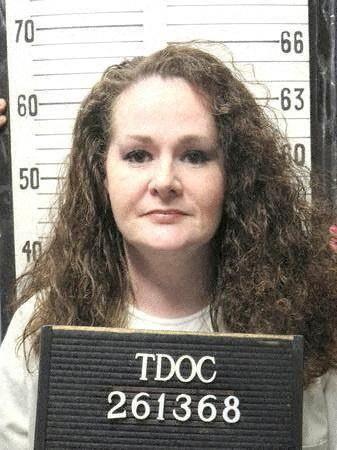
For a 50‑year‑old accused of a 1995 murder, the last month was anything but a routine jail visit. Tennessee officials tried to execute Christa Pike with a lethal injection on September 30, but a second dose of the drug pentobarbital failed to finish the job.
After the botched attempt, Pike was rushed to a hospital in critical condition. Her legal team, however, has reported a remarkable turnaround: she is now walking with assistance, eating, and regaining movement in her arms that were badly damaged during the attempt.
This case touches on deeper questions about how the U.S. deals with capital punishment. Because Pike survived, some argue her sentence should be downgraded to life in prison without parole, while others are calling for a review of the execution method used.
In response, a judge ordered that all evidence from the failed execution—IV lines, syringes, and waste—be preserved for possible future litigation. Governor Bill Lee halted all Tennessee executions for the year and urged an investigation into what went wrong.
For readers wondering why this matters, Pike’s survival puts a human face on the debate over lethal injections and may set a legal precedent. If the state re‑examines its death‑penalty policies, it could reshape the future of capital punishment in America.