In brief
In the wake of Assad's retreat, Khaled al Hamad searches for his brothers among the remains of the disappeared. Unearthed graves reveal bones of victims once silenced, fueling hope and heartache for countless families seeking to uncover the fate of their loved ones lost in Syria's brutal prison system.
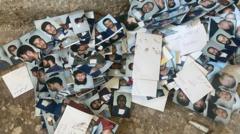
Khaled al Hamad is on a mission to uncover the fate of his two brothers who disappeared a decade ago under the Assad regime. In a deserted cemetery in Adra, he finds a modest grave containing body bags labeled with prison numbers. Inside, chilling remains hint at a grim reality, as Khaled digs deeper, hoping to confirm his fears that his brothers met a similar fate. For years, Assad's oppressive forces rendered hope futile, forcing families to remain quiet out of fear. But as the regime's stronghold falters, many are now searching for closure. Khaled recounts dark tales of what happened to those taken by the regime, revealing the deep trauma families endured.Human Rights Watch has begun to investigate similar reports across Syria, sparking hope for long-awaited answers. Meanwhile, at the Mazzeh military airbase, which once housed tortured prisoners, survivors and families sift through extensive records. Heart-wrenching scenes unfold as mothers cling to piles of photos, searching for their loved ones among faces forever marked by suffering.Yet, the documentation of Assad's terror poses challenges as new waves of unrest arise. With critical evidence of abuse at risk of being lost, time is of the essence for families yearning for justice. Outside entities hold stakes in Syria's future, complicating the landscape of recovery following years of conflict. For many, the quest to uncover the truth behind the lost remains a struggle for both self-governance and reconciliation.