US slaps sanctions on the ICC: Global justice on the brink
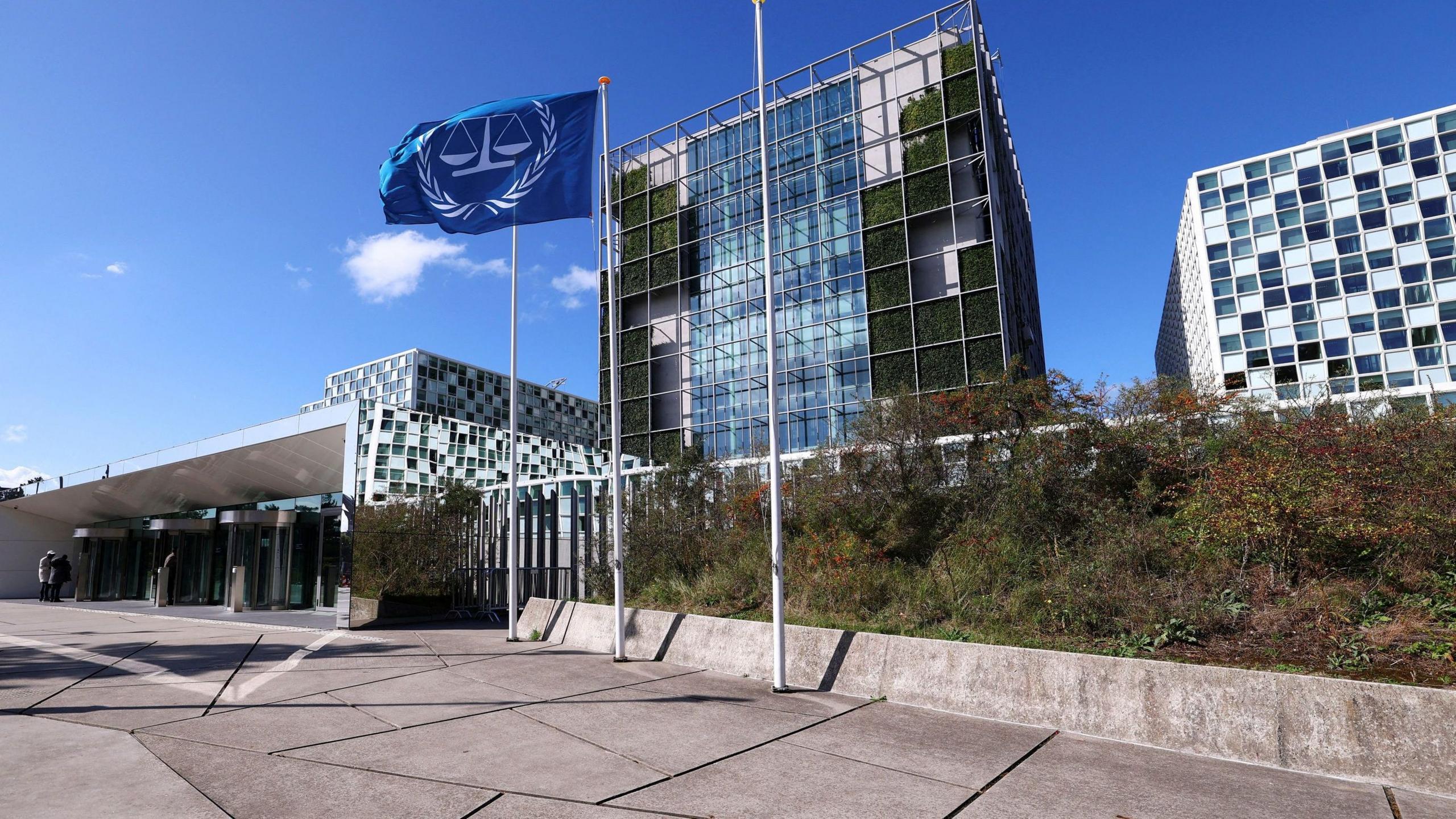
The Trump‑era U.S. Treasury has just unleashed a sweeping set of sanctions on the International Criminal Court (ICC), the world’s only permanent court that tries war‑crime suspects, including Philippine former president Rodrigo Duterte. The move blocks U.S. businesses from providing any goods or services to the court, from banking to software, and it even sanctions the ICC’s own senior officials.
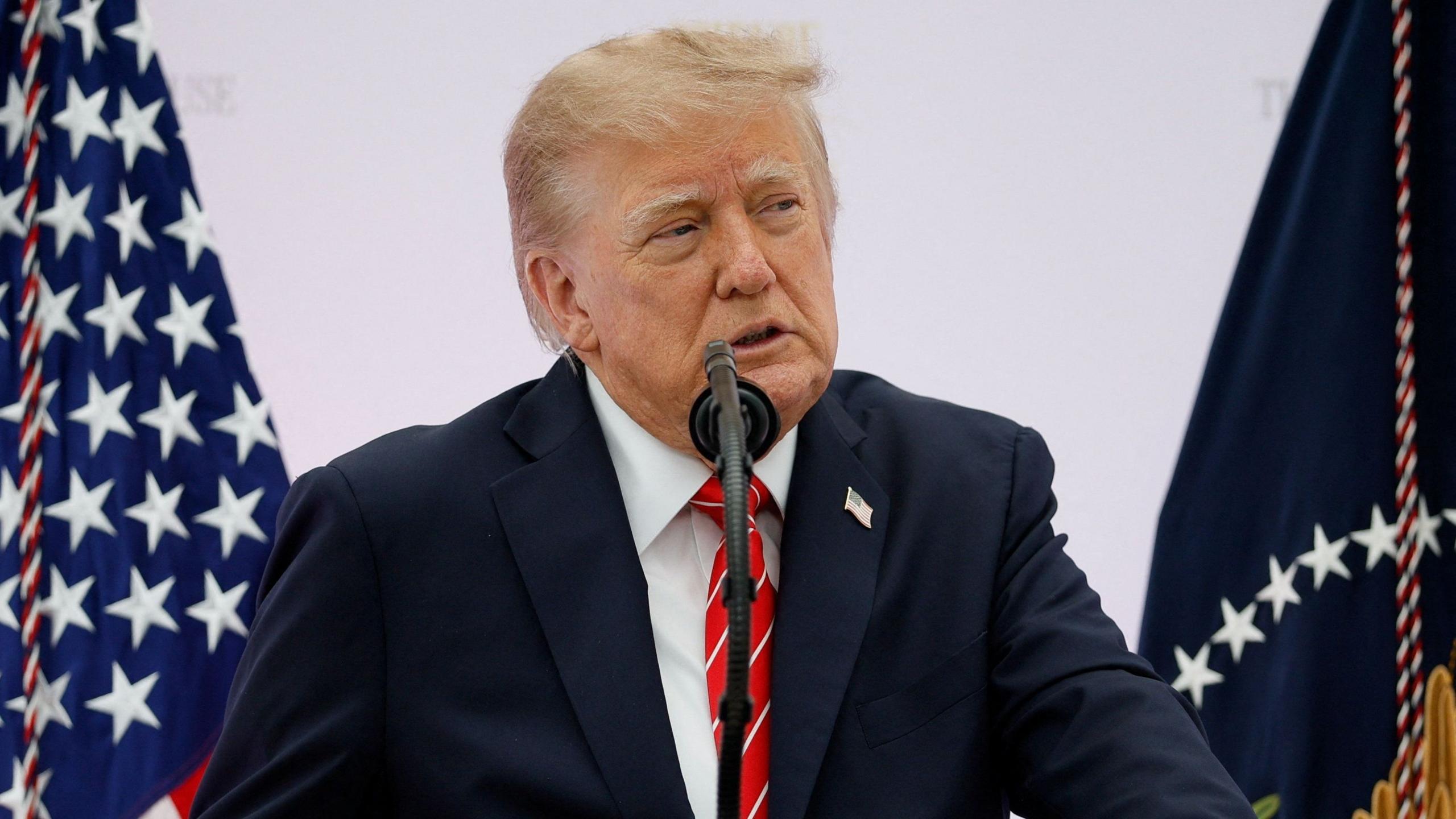
"Either the ICC will end its threats, or we will end the ICC," President‑elect Marco Rubio declared in a statement. He framed the action as a defense of U.S. sovereignty, accusing the court of overreaching and seeking to prosecute Americans.
What’s at stake for the ICC? The court—set up in 2002 to bring war criminals to justice—has 125 member states. It now faces a crisis that could leave thousands awaiting trial, from former leaders in Libya to Duterte, without the means to try them.
Global reactions
Allies in the European Union and Canada have condemned the sanctions, calling them “a serious blow” to international criminal justice. The United Nations Secretary‑General António Guterres warned that the U.S. move would damage the global effort toward accountability.
Some U.S. critics argue that the sanctions are limp—giving ICC members a six‑month lift before full enforcement, perhaps to allow negotiations. Others say those loopholes will not stop the damage, noting that the court has already sanctioned 17 of its own judges.
Could the world see a new era of justice?
Legal scholars say a crippled ICC may have to release detainees like Duterte as a matter of law, erasing years of painstaking evidence. The court’s own statement warned that it "will not be deterred" and that the U.S. decision is "an assault on the rule of law."

Source: Reuters