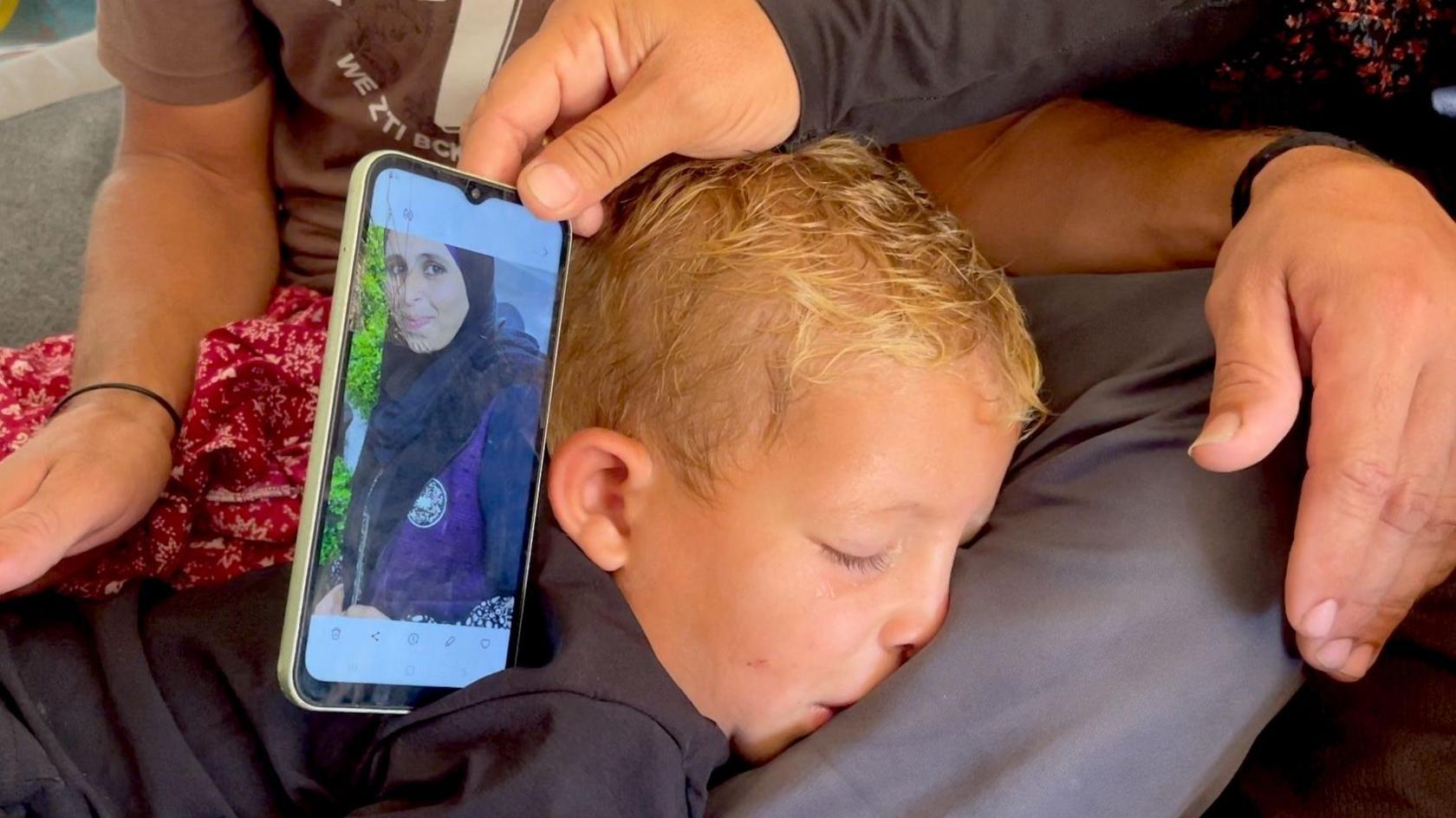
Fida al‑Toutah was a 31‑year‑old mother of five living in a makeshift tent in central Gaza. On a calm morning she was combing her daughter’s hair when the first burst of gunfire echoed through the narrow lanes. The sound stopped the breeze, and Fida was gone.
She was hit by a shot to the head, leaving an absence that still haunts her family today. Fida’s death is counted among more than 1,400 Gaza civilians killed since the ceasefire on 10 October last year—a number that feels like a silent war in itself.
The ceasefire first opened in October 2025 after Hamas released all 48 hostages and the IDF released thousands of detained Palestinians. While the big boom of gunfire slowed, threats soured into daily airstrikes: in the past week alone over 30 people were killed. The Israeli military claims it hits Hamas operatives, while critics say the strikes aim at civilians, whole families, and children.
“It [the ceasefire] is all lies. Every day there is a shooting,” says Fida’s husband, Ahed. A statement from the IDF found no record of the particular strike, and Gaza health officials see no privacy, only relentless pain.
The aftermath of war is a scramble for survival. Families like Amal Alabadla live in a tent near the coast, holding their two boys together while the sea swells around them. Flooding, cold, and the saber‑like wind grind them into a sobbing mass of hope. The promised reconstruction from the 2025 peace deal is frozen, the second phase still stalled over the exit of Israeli forces and the removal of weapons from Hamas. Until then, Gazans face a grim cycle of forgetting the future and being forced to live in pain day by day.
Key facts:
- 1,400+ civilians killed since the ceasefire began.
- 74,000 total deaths in Gaza over the past three years.
- More than 30 people killed in the last week alone.
- Only 40% of Gaza’s land still under Hamas control.
- Reconstruction stalled by a lack of Israeli permission for materials.