Zambia and the United States have just sealed a five‑year health‑financing deal worth about $1.5 billion, ending a month‑long public spat over whether Zambia would let US agencies access its citizens’ medical data.
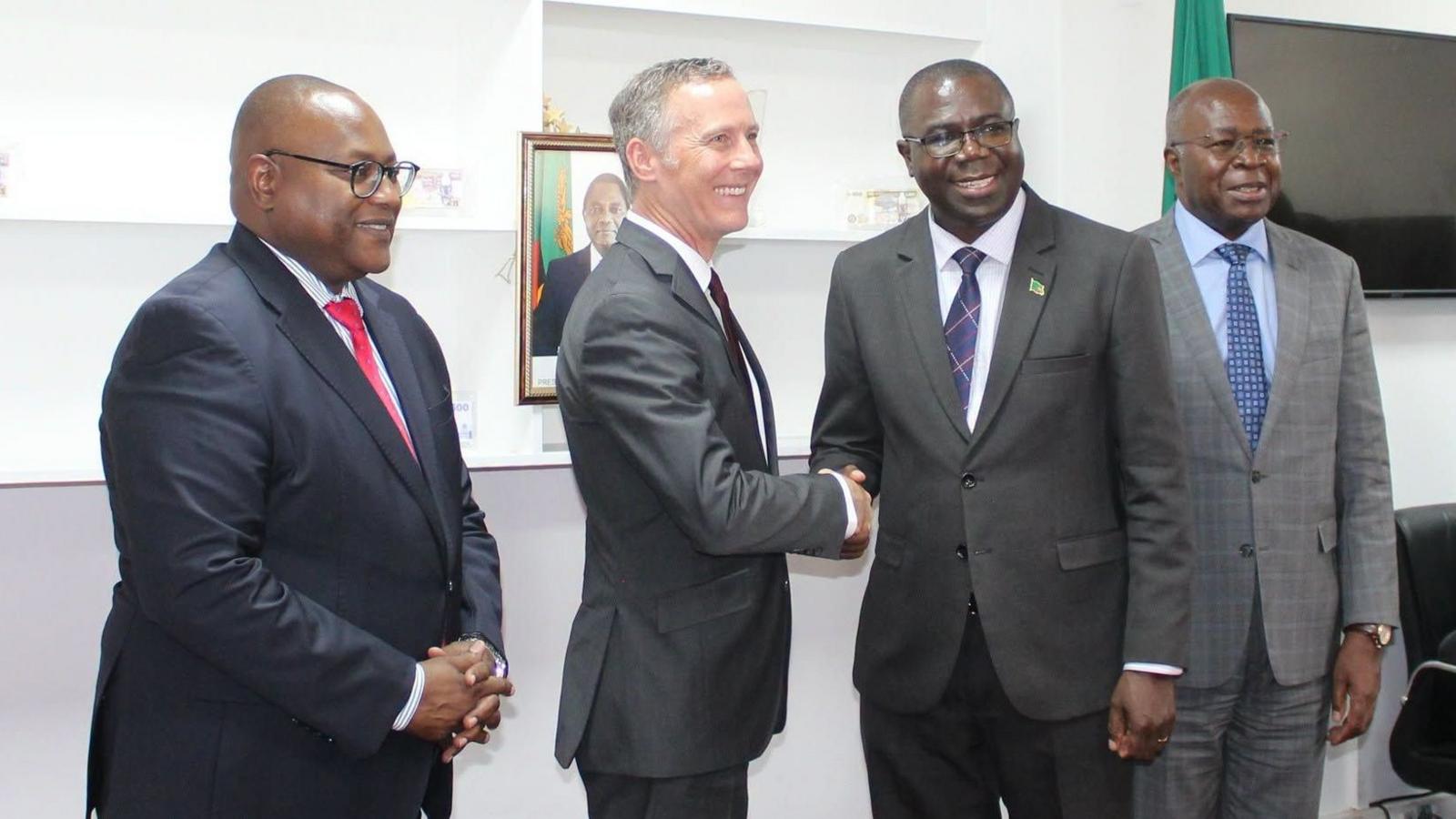
The agreement, signed in Lusaka on Thursday, will fund HIV, tuberculosis, malaria and maternal‑child health projects, and boost disease surveillance and community health worker recruitment.
Civil‑society groups made headlines earlier when a leaked draft promised the US broad access to Zambia’s pathogen data and even biological samples. The final text removes those clauses, and Health Minister Roma Chilengi said individual patient records will not be shared, and data exchanges will be limited to what’s needed for monitoring the program.
The deal also tackled accusations that the funding was tied to preferential access for US companies to Zambia’s copper and other mineral reserves. While the US ambassador rejected that claim, Zambia’s foreign minister called the earlier data terms a “violation of privacy.”
For the next five years, the US will provide about $1.5 billion, with Zambia contributing a smaller share. The package is part of Washington’s broader shift toward shared responsibility, with US aid expected to wind down as Zambia increases domestic spending on health.
The move follows the 2025 closure of the US Agency for International Development, which had previously channeled much of its health aid to African partners.