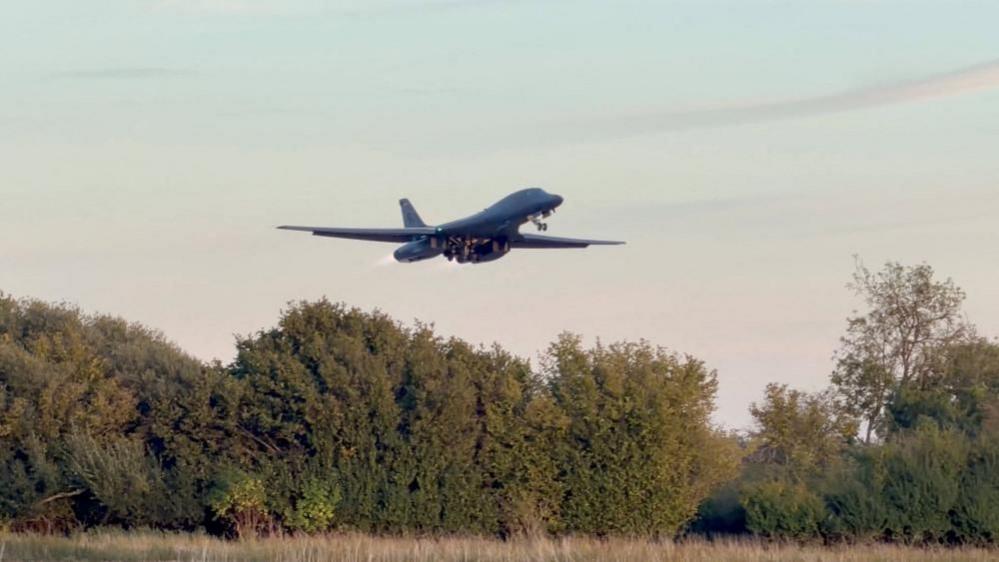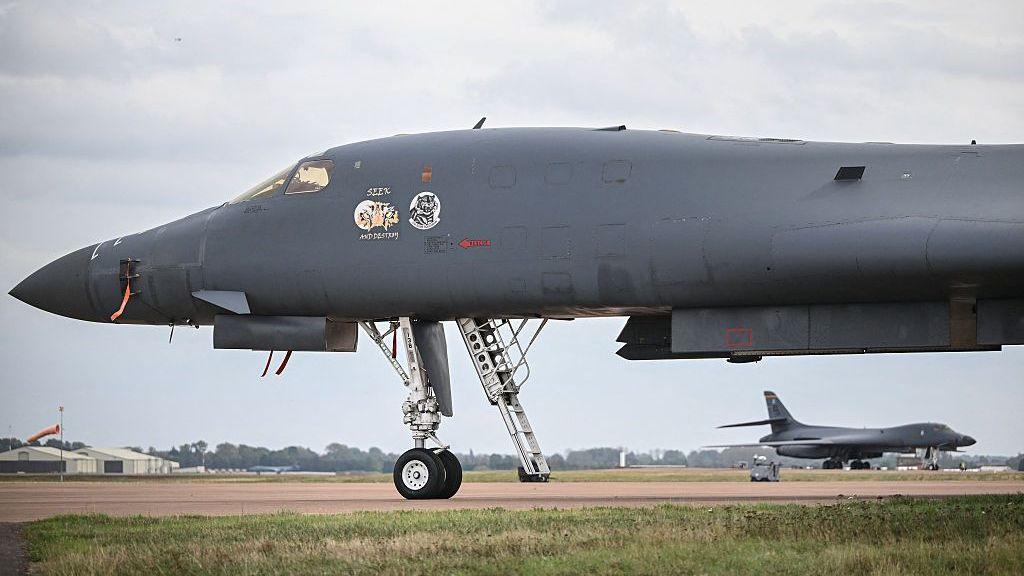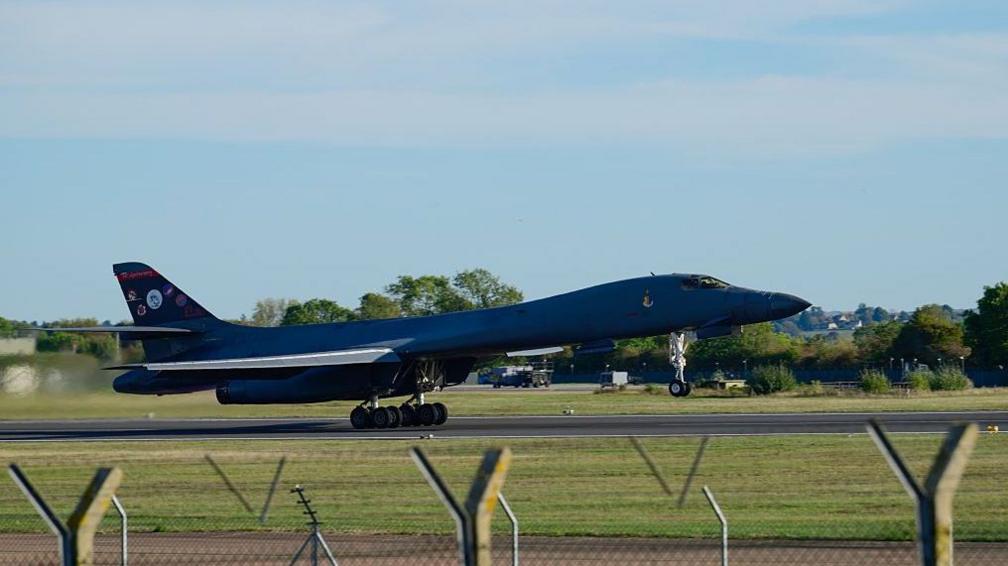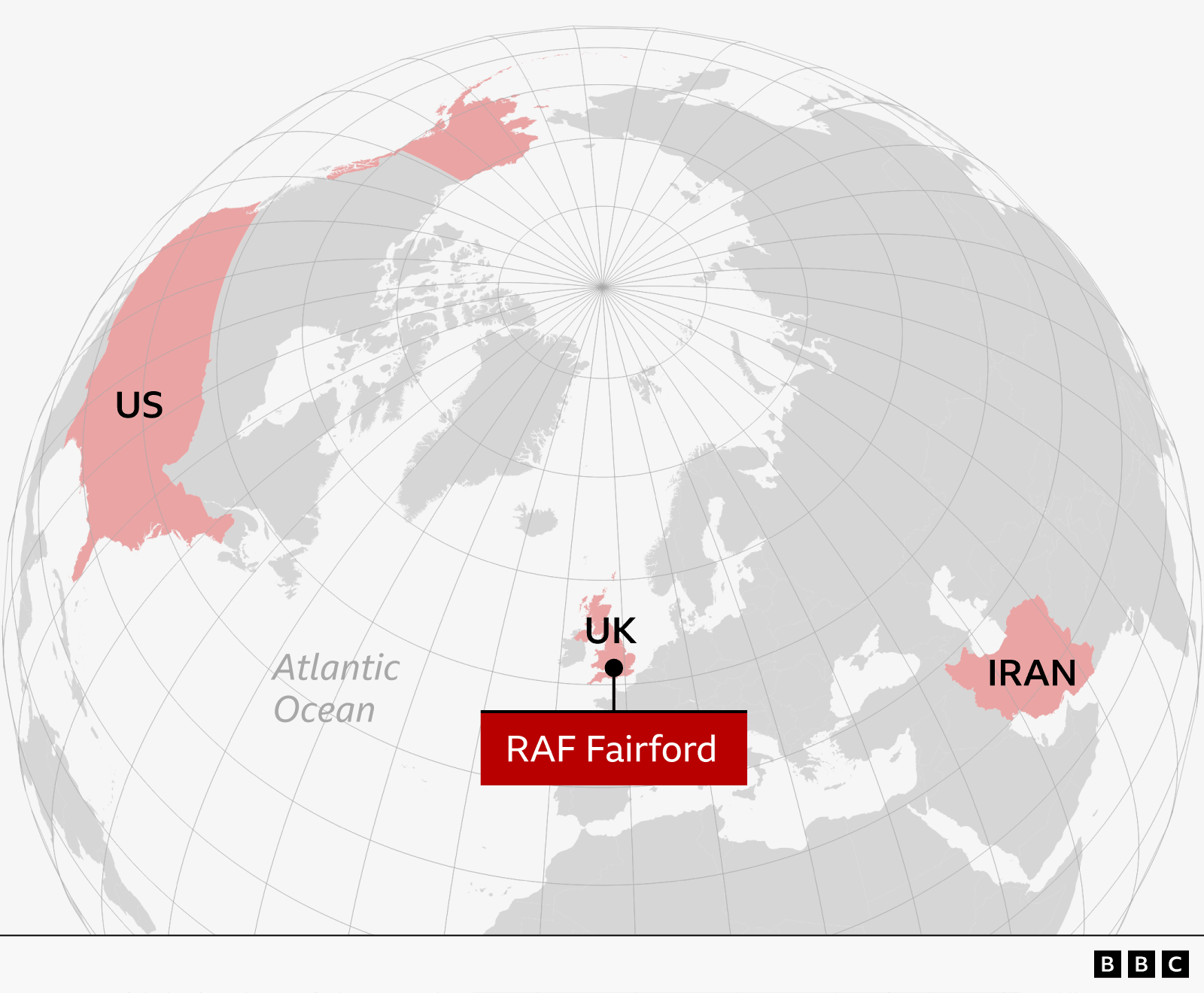
In one of the fastest military moves this year, the United States ordered its B‑1 Lancer bombers to leave the RAF Fairford airbase on Sunday morning.

The abrupt departure came after a series of events: men detained near the base last month, a new Iranian threat statement, and fresh intelligence suggesting the base could be a "legitimate target." U.S. officials said the move was a precaution against a potential attack.
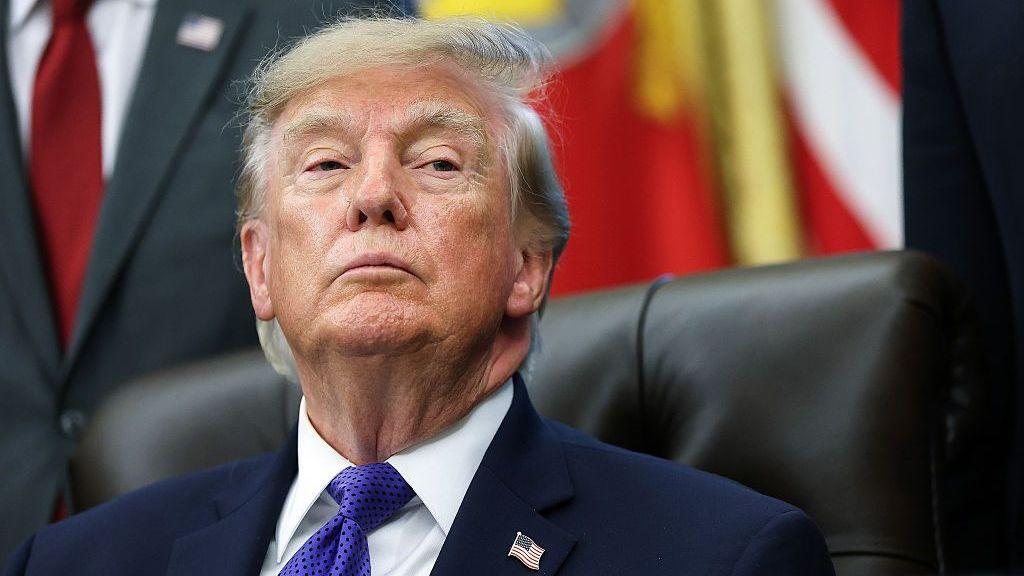
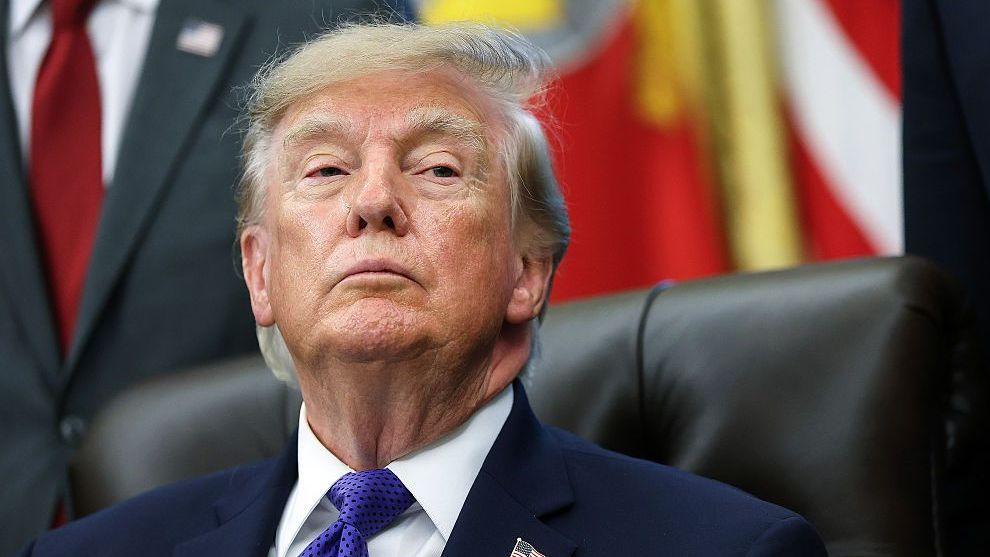
President Trump summed up the decision as a “response to some threats at Fairford.” The bombers did not sit idle at home – refuelling assets were already on standby to ferry the planes back across the Atlantic, a scramble that many reporters described as a “fleet in flight.”
The U.K., which hosts hundreds of U.S. troops at Fairford, Mildenhall and Lakenheath, has said it fully supports the U.S. and is working with Washington to boost security. Still, the episode has put the base in the spotlight, with police cordoning off the perimeter and investigators reviewing CCTV footage.
The B‑1 Lancer, worth about $330 million each, was the centerpiece of the U.S. nuclear sharing programme in Europe. Its sudden exit raises questions about commitment and the ability to deter adversaries, especially as a U.S. missile strike on a Saudi airbase by Iran earlier this year showcased Iran’s boldness.
While the U.S. insists it can still deploy the bombers from its own bases, the episode may prompt a rethink on how joint operations and base security are handled. For now, the air force keeps a watchful eye on Fairford, and the base remains a key node in U.S. strategic planning.