
Source: Getty Images
No More Tax‑Paid Jingles
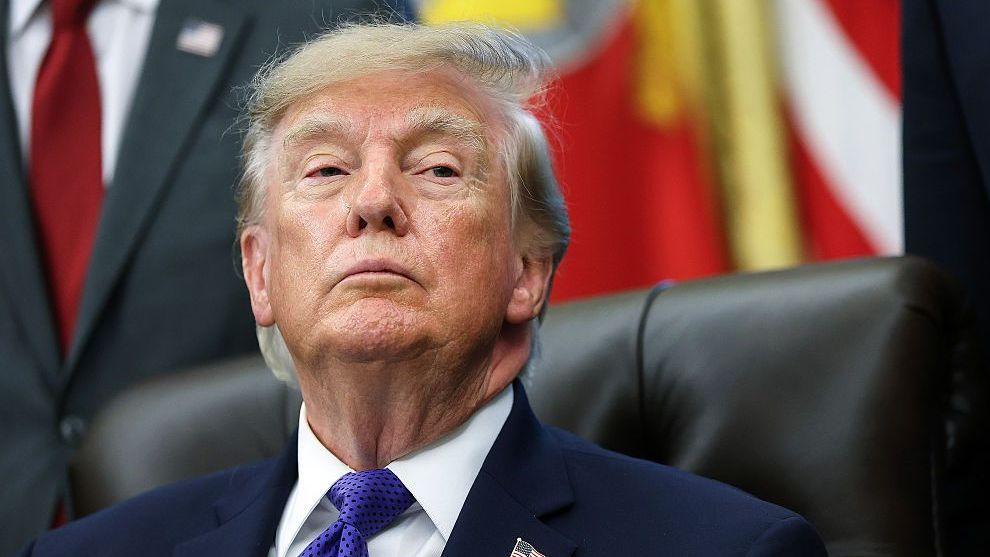
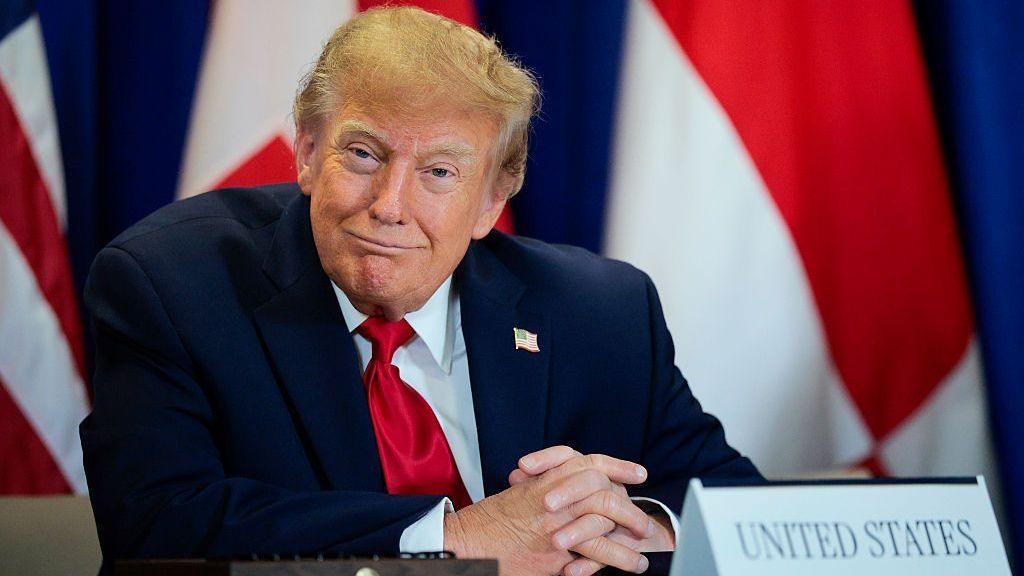
In a shake‑up that has lawmakers scrambling, Donald Trump said Monday he will stop using government money to purchase televised spots that boast about his achievements and policies. The former president cited a "bipartisan pushback" as the reason for the switch.
During a post on his social‑media feed, Trump radioed that the ads – which have been airing since September – were "a standard thing," but that he will now pay for them from funds raised through his MAGA Inc. super‑PAC.
Why it Matters
Government money is often reserved for public‑service campaigns, like health‑promotion or emergency alerts. Using it to push a single candidate’s message treads a fine legal line, leading to warnings from legal experts and a proposed Senate resolution condemning the spender.
Republican Senate leaders, who would normally cheer Trump’s messaging, have said the cost of the ads should not be borne by taxpayers. Likewise, Democratic senators have launched calls for stronger scrutiny of executive‑branch spending.
Midterm Clock Starts Running
The ads hit the airwaves just weeks before the November midterms – a crucial period when the president’s popularity often translates into congressional gains or losses. Trump’s approval rating is trending downward; the upcoming elections may decide whether Republicans hold both chambers.
Is It Legal?
Past government adverts have largely focused on crises or public health. Critics argue that promoting a single office‑holder falls outside that scope, while Trump’s team insists the rhetoric is simply “educational” and no more than a public‑servive PSA. The debate will be watched closely, with watchdog groups poised to file complaints if the ads are found to violate campaign‑finance laws.
As the federal government sobers up its messaging budget, the midterms will test whether the public feels better served by true public‑service announcements or by high‑volume political hype.