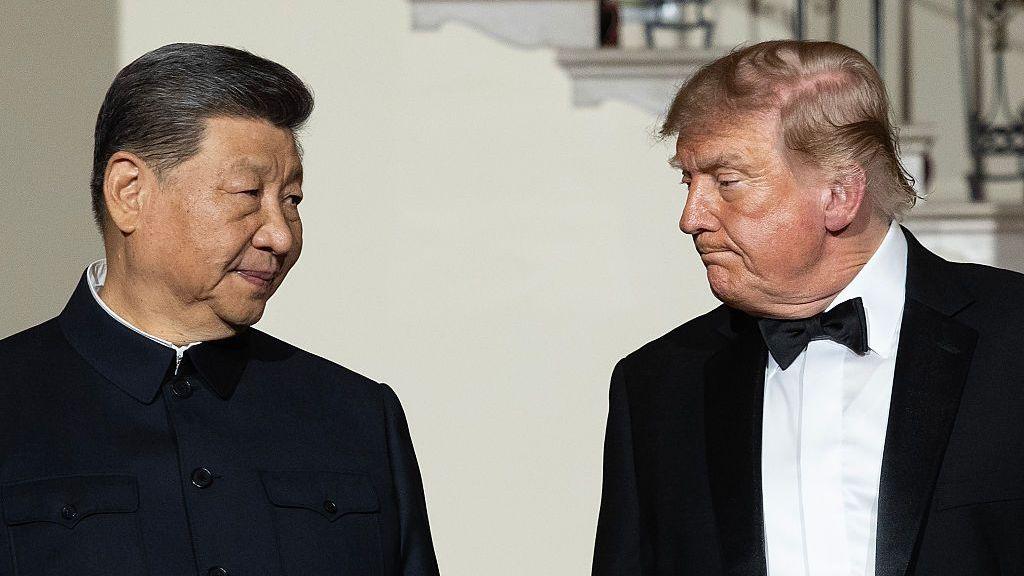
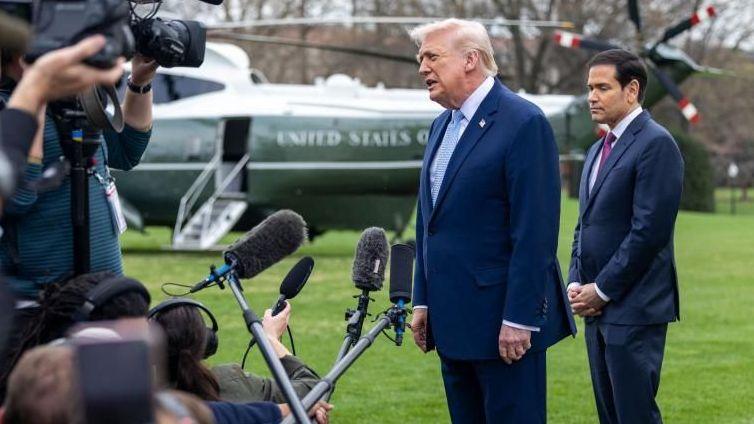
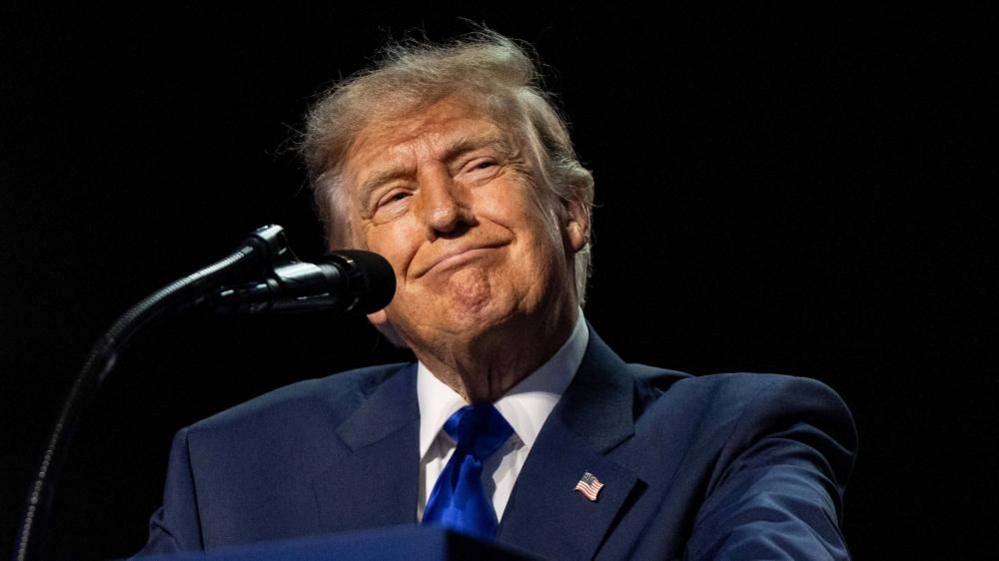
The White House has said that the ads President Trump ran on TV are “public‑service announcements” and not political propaganda. But for most of the country, the law says you can’t use federal money to push a candidate’s name or message on the air.
So what does the law actually mean? In short, a public‑service ad can talk about a government program or emergency—like the new childcare tax break everyone can use—but it can’t talk about the benefits of voting for President Trump, or say anything that looks like an endorsement.
Legal experts say the line is blurry. One analyst noted that the ads used ‘Trump’ as an by‑line that looks a lot like a campaign spot. The White House pushes the counter‑argument that “public‑service” is a wide umbrella that can cover politics‑heavy messaging as long as it’s framed as an informational tool.
Why does it matter? In the run‑up to the 2026 midterm elections, any edge in the national conversation can shift voter opinions. The debate over Trump’s ads raises a larger question: When do government‑funded messages become a place for political persuasion?