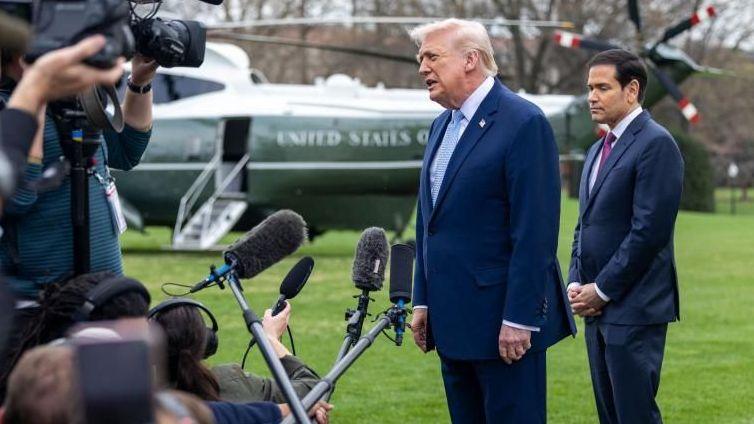
A headline moment on Saturday: U.S. President Donald Trump and Chinese Premier Xi Jinping met in Beijing amid a heated Twitter feud, and AI was the main topic of their discussion.
Trump called the AI race “the biggest win” and said the U.S. must stay ahead to keep billions of jobs and national security intact. He dismissed many safety warnings as a “hoax,” insisting that he has enough government rules to keep AI around the corner of a high‑IQ president’s desk.
Xi didn’t say much openly, but Chinese analysts say Beijing also wants to lead AI in ways that boost national power. China has been skirting U.S. chip restrictions by training models that are close to frontier level, while its open‑weight models keep the technology cheap and open to the public.
Many states that run large data centers—basically giant computers—are Chinese. With cheap electricity, China can train AI faster than most foreign rivals. Meanwhile, China’s investment in robotics means it’s already the world’s biggest manufacturer of these machines.
Both sides say safety is important, though the viewpoints differ. Trump is worried about AI getting out of control; Xi emphasizes the threat to domestic stability and calls for centralized guidelines that keep tech under human oversight.
In short: the summit may push the world farther along on AI power and regulation. Will the two countries cooperate—or keep each other at a distance? The answer matters to the whole world, because AI can change everything from how we work to how we live.