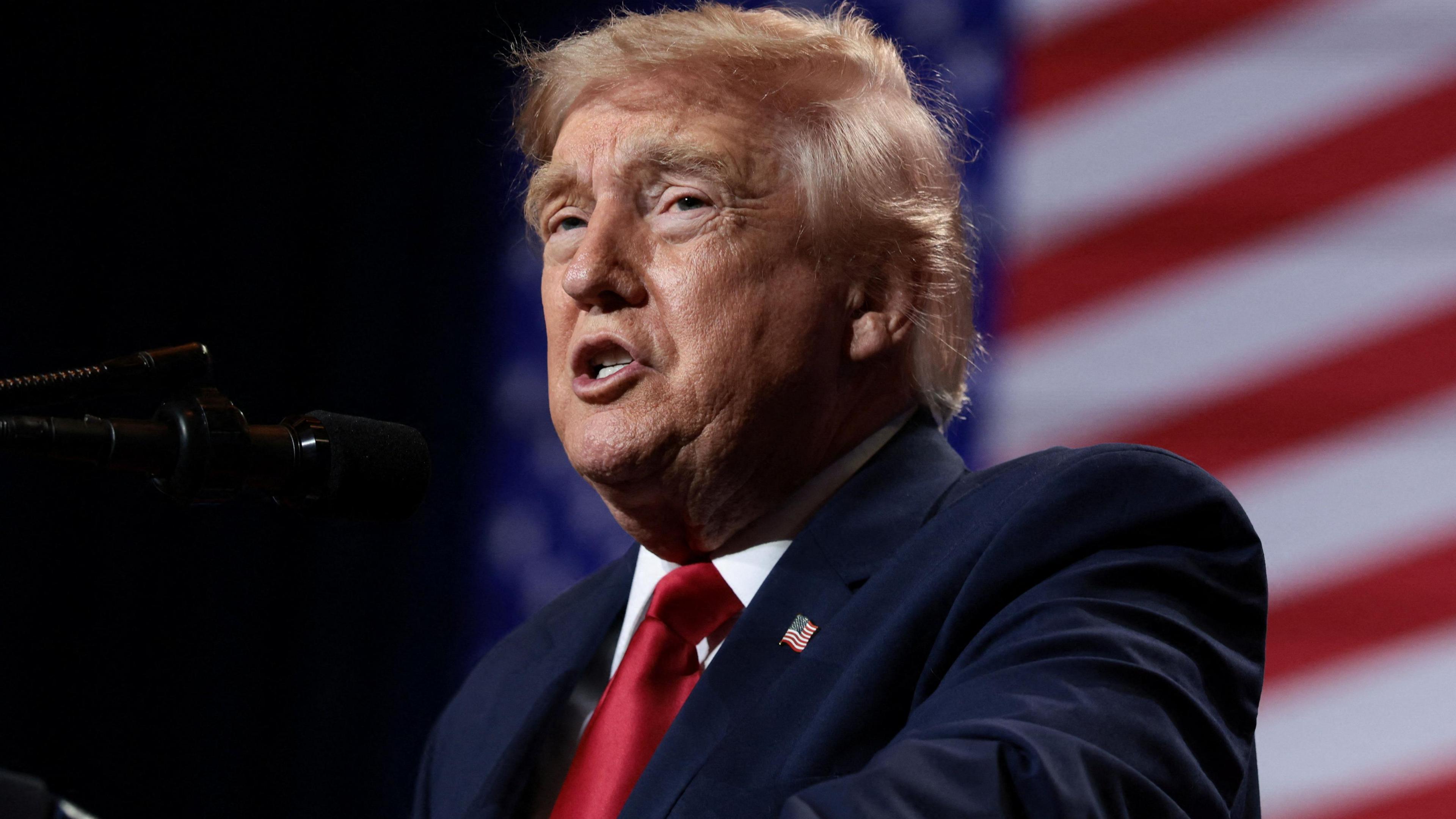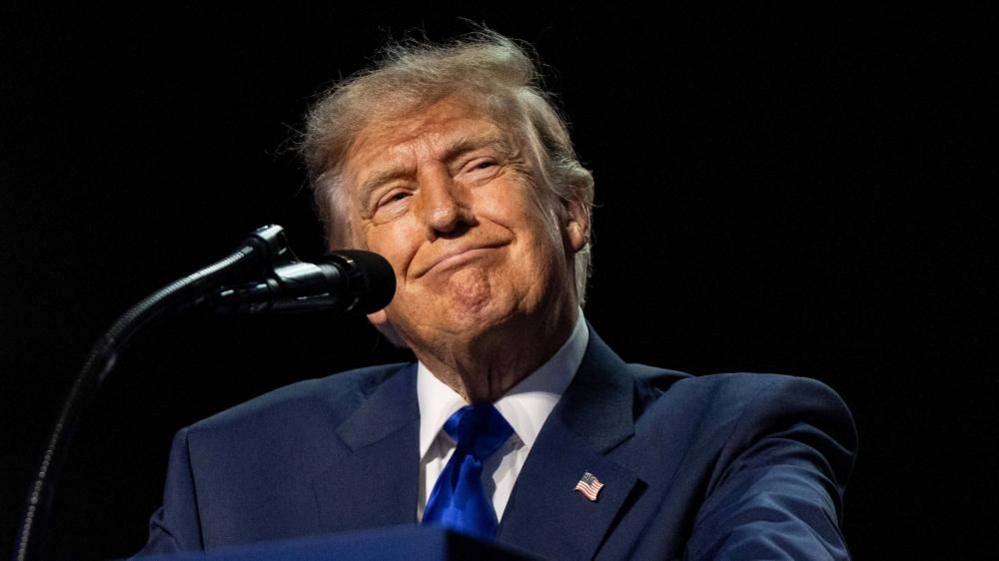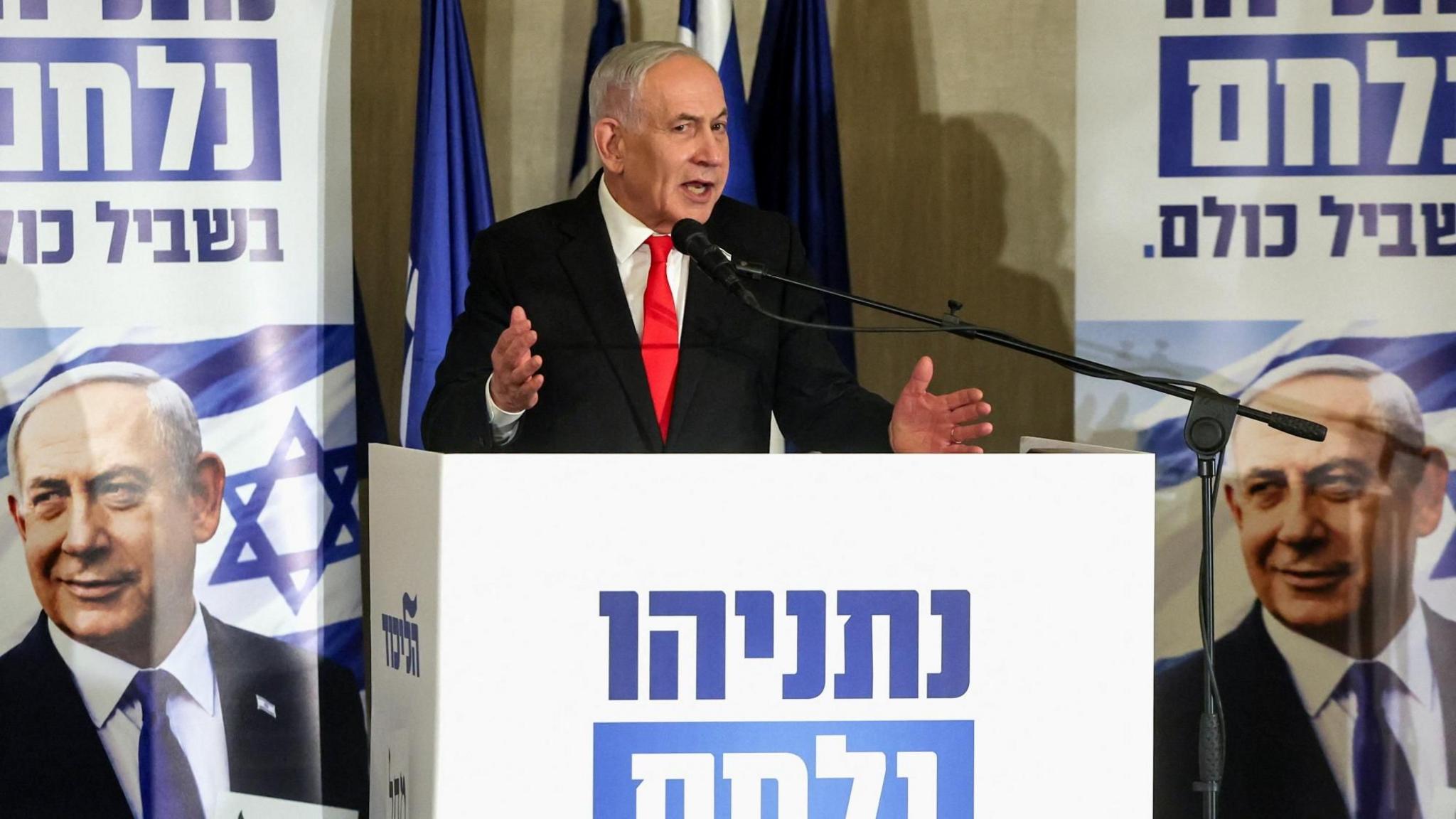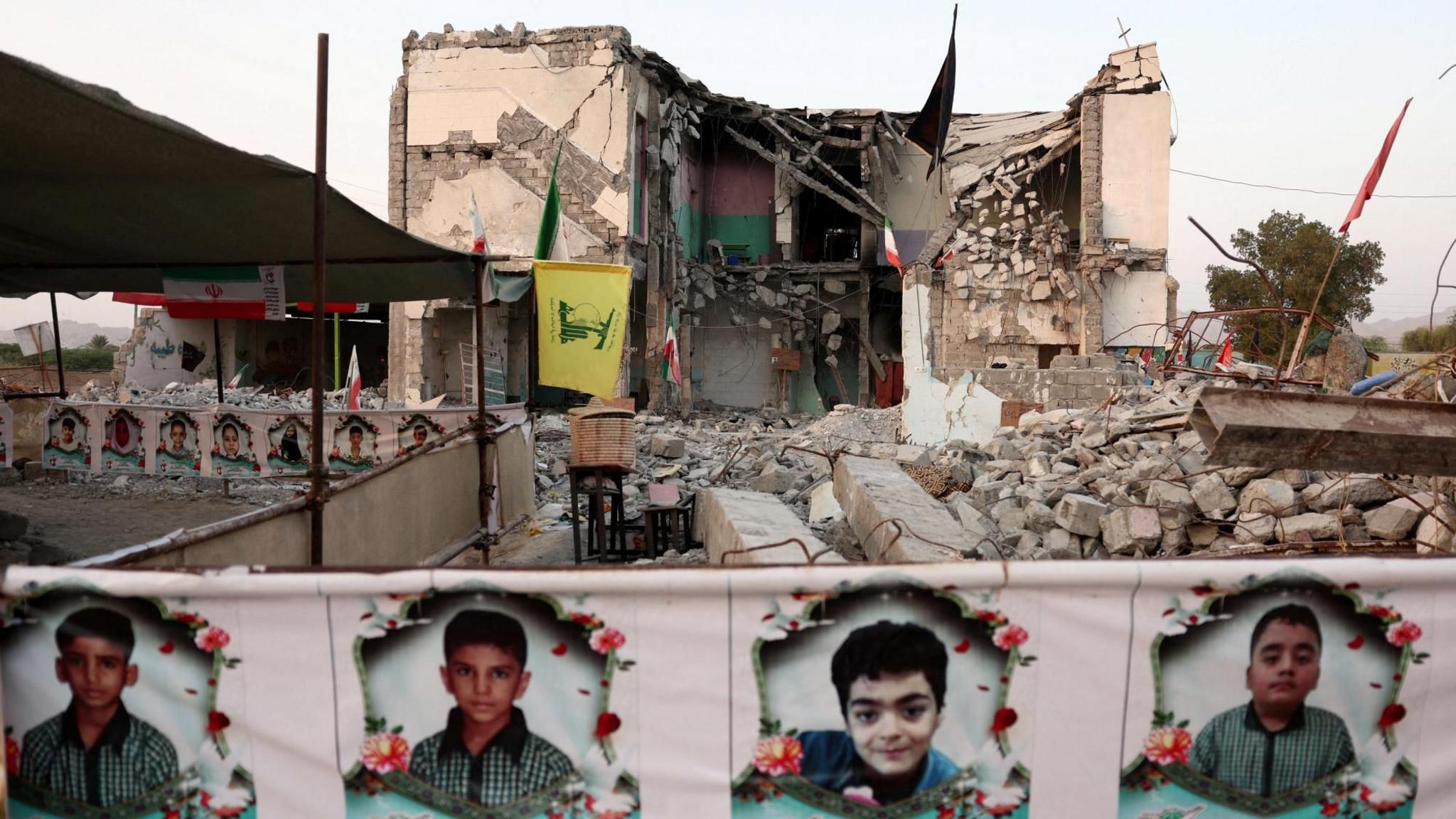
Trump Fires Off Threat: In the latest UN General Assembly session, President Donald Trump declared he would "annihilate" Iran if the conflict remained unresolved. The call was a stark contrast to his earlier remarks about economic success and homeland security.
The tension spiked just weeks after a ceasefire collapse and a string of air strikes between the US and Iran. While the US maintained a blockade of Iranian ports and threatened further sanctions, Iran kept blasting through the Strait of Hormuz and sending military attacks on Israeli and US targets.
New Talks Begin: Amid the rhetoric, senior US and Iranian officials met in New York, guided by Qatari mediators. The press briefed that no decisive breakthrough arrived, but the rounds were described as "constructive and promising," according to US envoy Steve Witkoff.
Iran demanded that the US end all its acts of aggression and stop supporting the Israel‑led attack on Iranian interests. It called for a comprehensive war‑end strategy that includes a return to pre‑war conditions.
Economic Ripple: The Strait of Hormuz, where 20% of world energy passes, was obstructed by Iranian vessels, sending oil prices soaring. This economic pressure, coupled with the looming November elections, forces the US to usher in a calm resolution.
Inevitably, the global climate remains tense. Iran’s support for Hezbollah in Lebanon and the rebels in Yemen keeps the region volatile, while the US calls for an end to war. The UN’s summit becomes a stage for negotiating a fragile lull.