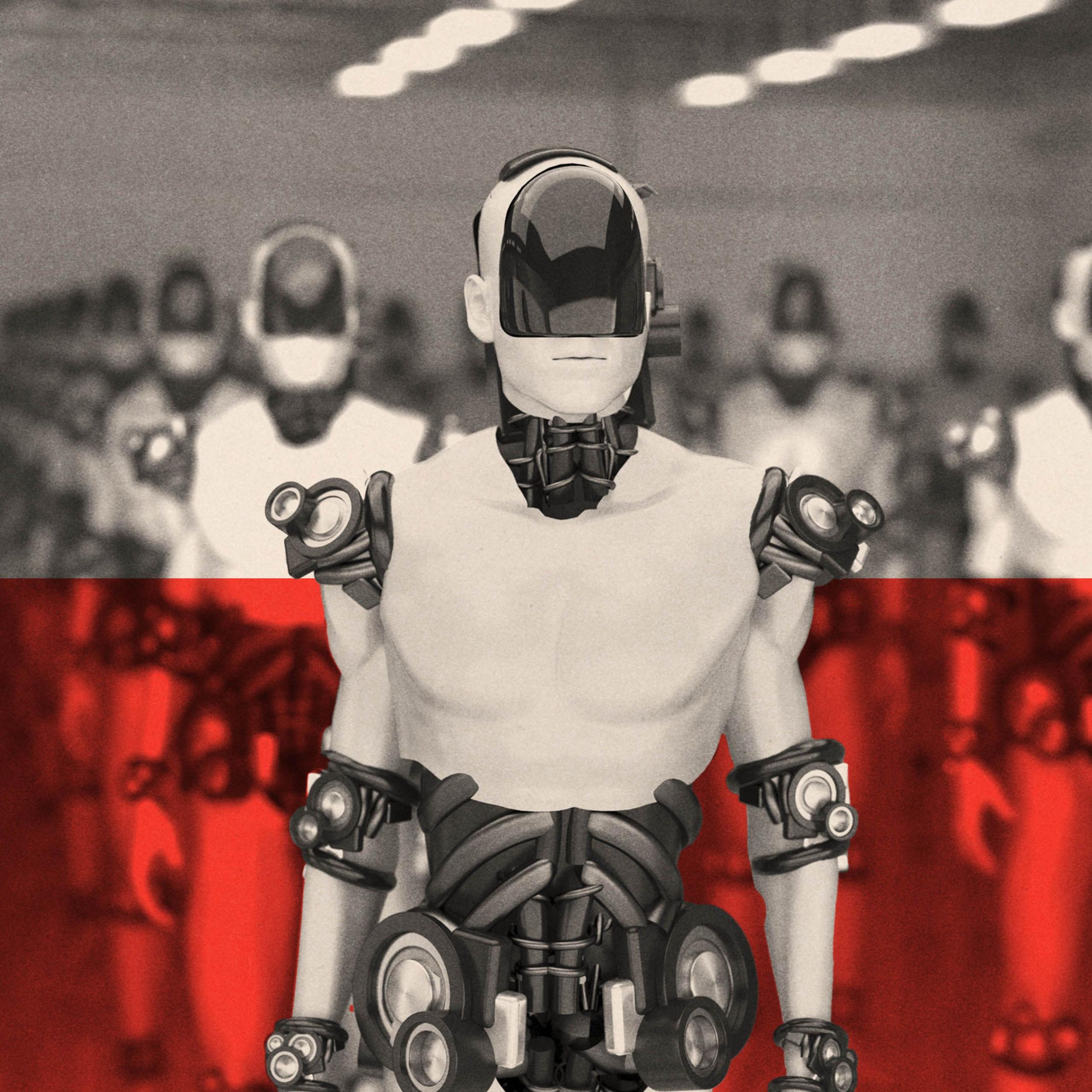

On the wide, green plains of Inner Mongolia, farmers are now sharing their land with towering data centres that pulse with the power of artificial intelligence. The sites are part of China’s plan to embed AI in 90 % of the country’s industries by 2030—a move that could tip the global tech balance in Beijing’s favour.
The construction crews, wearing bright yellow helmets, bring in cranes and welding rigs as the concrete giants rise. Local builders call it “China speed” – a nod to the rapid timetable, with each centre needing only a few years to become operational.
Beyond the buzz of machinery, the new buildings hold a geopolitical punch. With the U.S. limiting chip exports to China, Beijing is doubling down on domestic AI ecosystems. “The computing power inside these centres will be the backbone of our AI ambition,” says a senior engineer, hinting at software that will run far‑reaching systems from medicine to manufacturing.
The projects lean on a green energy strategy: wind and solar farms already power many of the remote sites, aiming to keep power from coal. Yet water remains a sore spot, and the shift means villages are sometimes displaced, sparking local concerns about job opportunities and land rights.
For the local youth, the picture is mixed. A handful of university students now work in AI labs back in major cities, but many farmers, including one man who still uses a pocket dongle for internet, see the tech boom as distant. “If it’s not useful for us, what’s the point?” he says.
Meanwhile, China’s leadership pushes for open‑source AI models—inviting global tweaks—while U.S. firms keep core tech in the black box. The debate touches on everything from data privacy to national security, raising the stakes for a global AI race.
For a deeper look into how these massive data centres shape China’s future, check out the interactive map above.