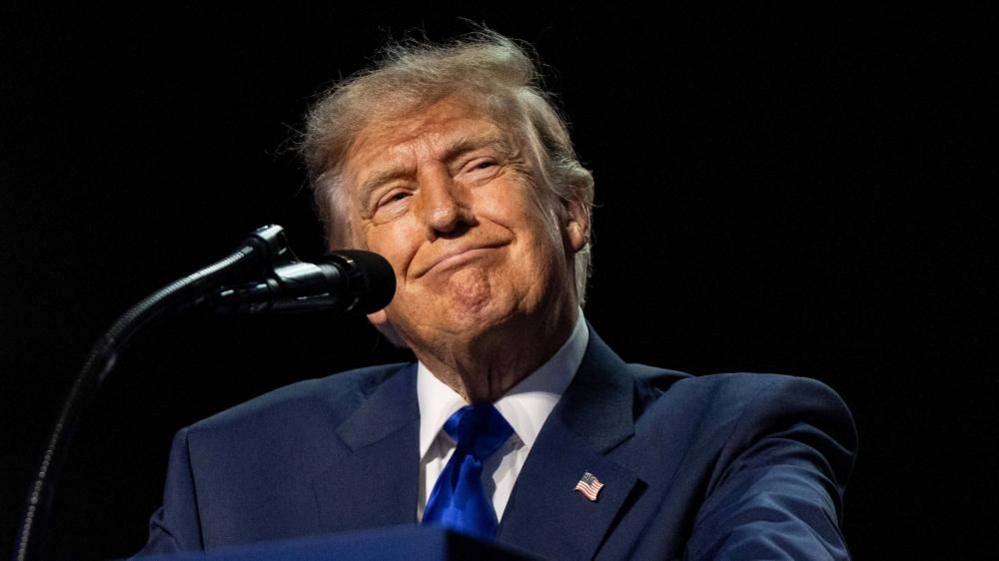
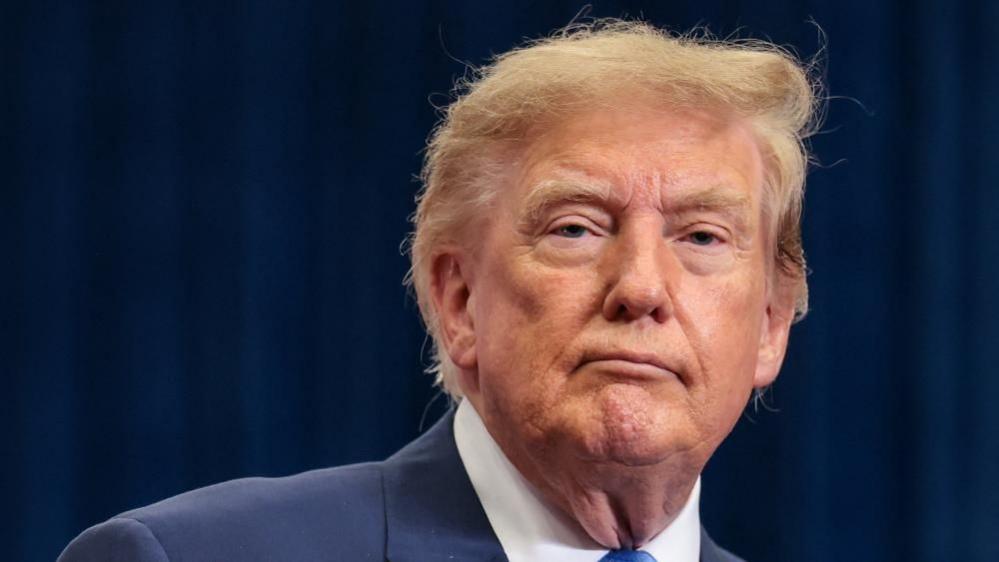
Political buzz gets a big boost today as Donald Trump announced he would hand out $5,000 to each U.S. citizen if the Republican Party triumphs in the November mid‑term elections.
The campaign leader offered no explanation of how the funds would be distributed or where they would come from. Shirt‑sleeved economists and lawmakers quickly called the promise “empty” and raised concerns about whether such a promise is permissible under U.S. law.
Legal analysts say the pledge risks violating the Constitution’s ban on campaign‑money gifts: the federal government cannot give money to a candidate’s supporters or to the general electorate for the benefit of a particular political party.
If the plan were implemented, the Treasury estimate predicts a cost of about $1.3 trillion, raising serious questions about how that money would fit into the national budget and whether it could be funded without massive deficits.
The debate underscores a larger conversation about campaign finance, economic responsibility, and the limits of executive power. As the mid‑terms approach, the legal and fiscal implications of Trump’s pledge will be closely watched by voters, policymakers, and experts alike.