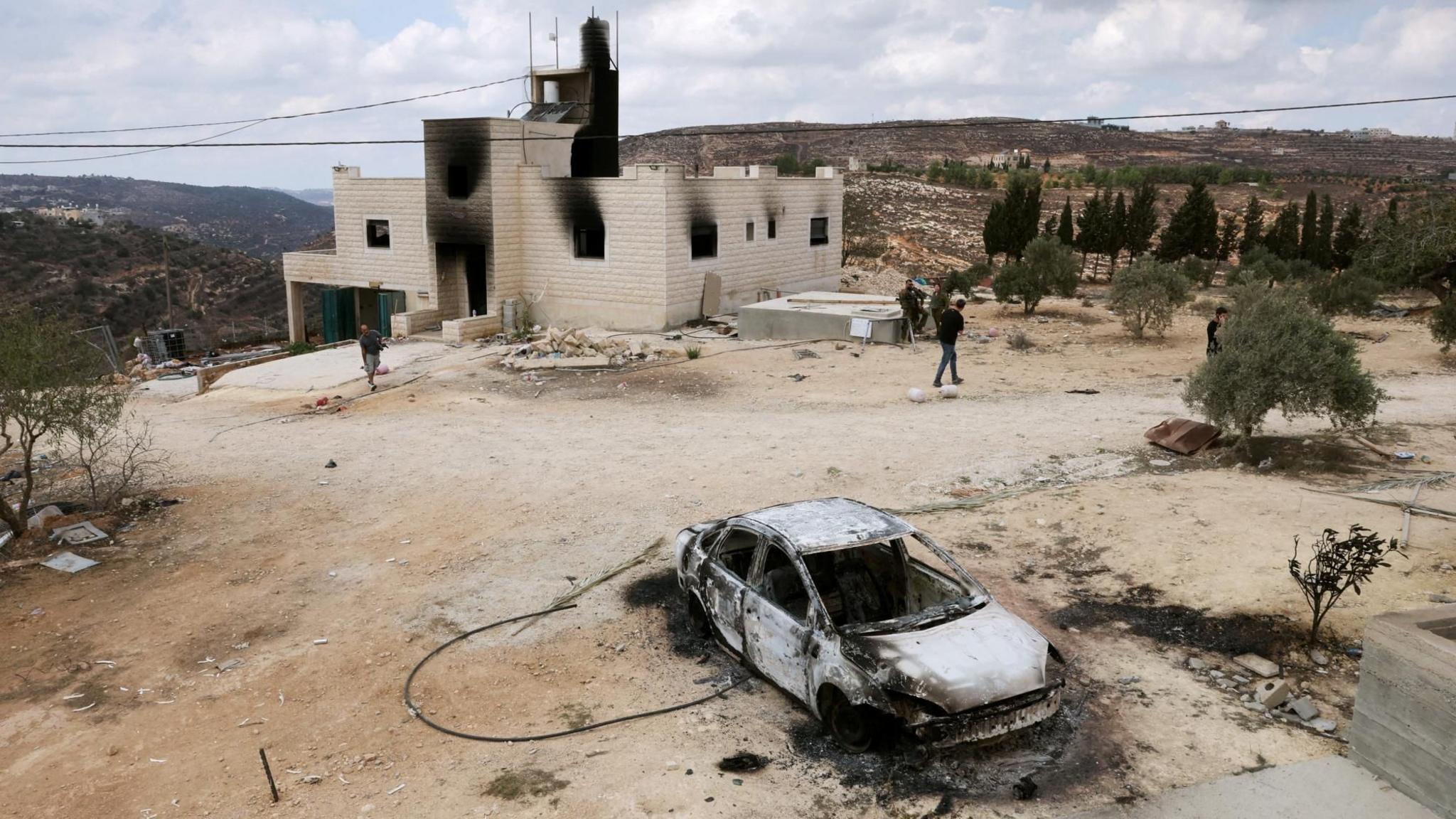
The first light of morning on Oct 7, 2023, should have been a calm start for the kibbutz of Kfar Aza, but instead a shockwave of violence ripped its families apart.
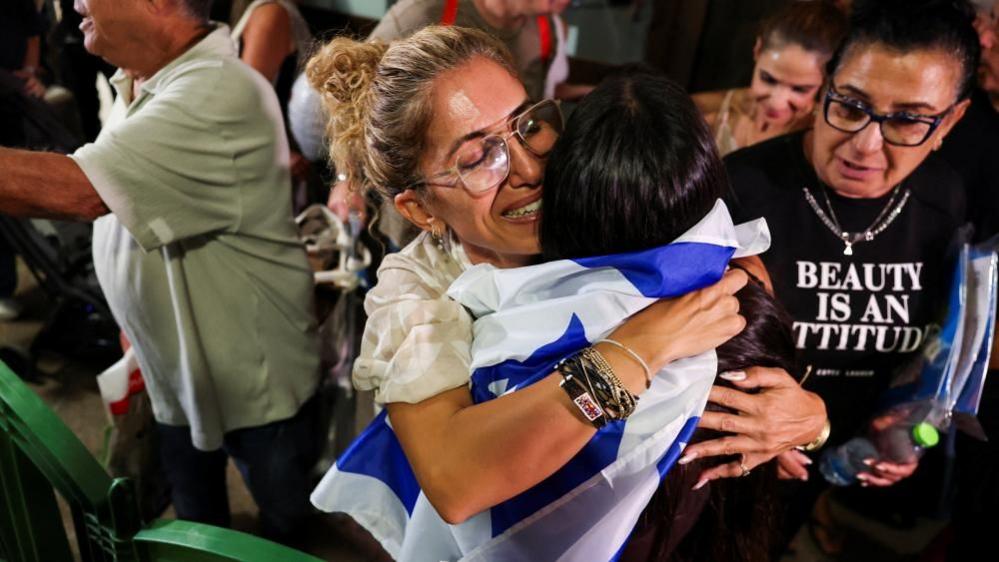
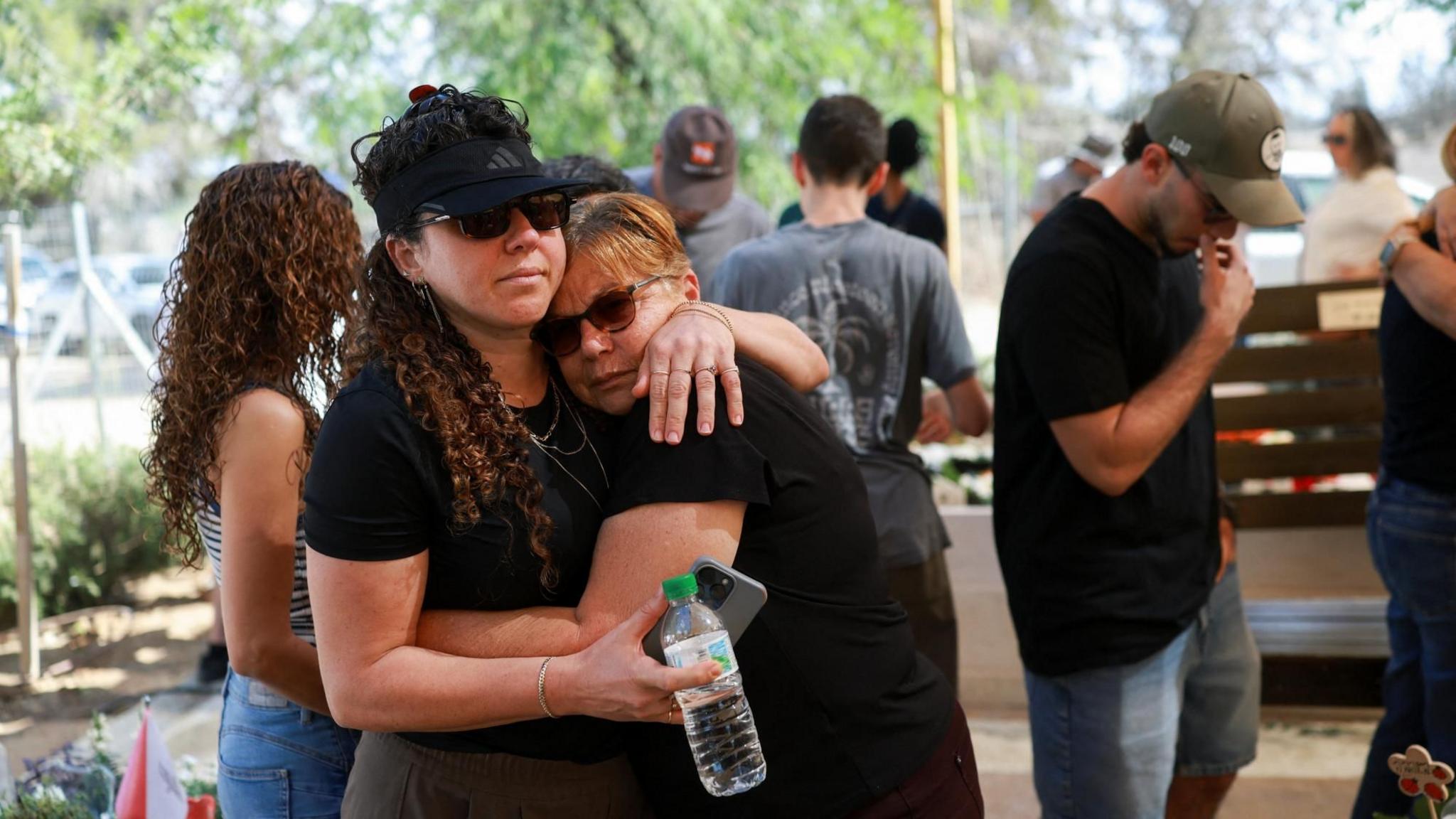
Around 71 of the kibbutz’s 100 residents, 64 civilians and 19 hostages, were killed when Hamas gunmen pushed over the border fence. Six years on, the memory is still fresh and a group of residents, led by Inbar Goldstein, has gathered to honour the dead and to demand answers.
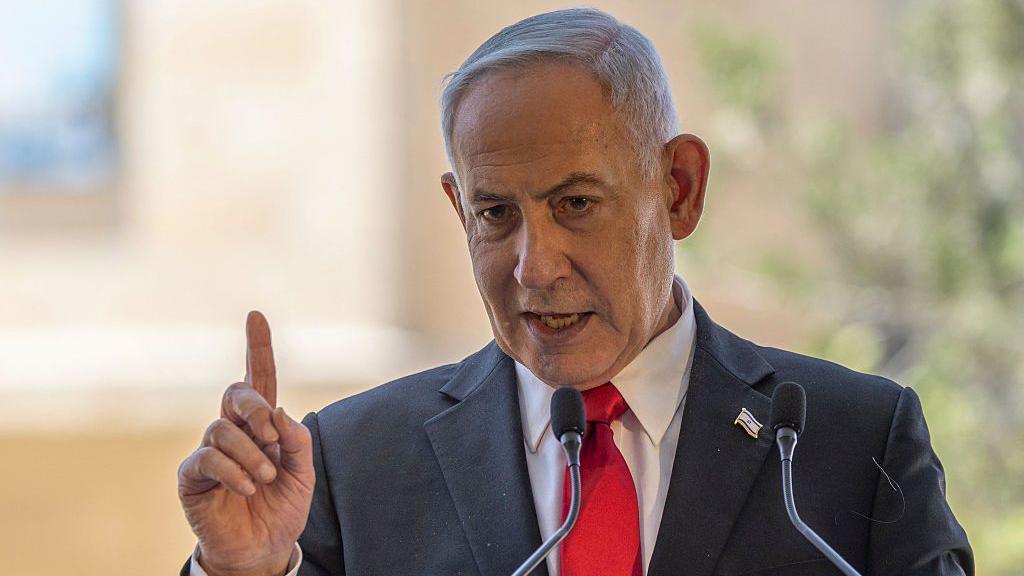
Israel’s security failure has never been formally investigated. While the prime minister, Benjamin Netanyahu, has repeatedly blamed “security chiefs” for not sounding the alarm, a growing wave of protests is calling for a totally independent state inquiry. In a city‑wide show‑of‑force, banners read “Netanyahu does not surrender” and a mobile game called Sleepy Bibi turns the question of responsibility into a snack‑style challenge for a younger audience.
The community’s plea highlights the clash between the rhetoric of a “Mr Security” and the reality that 99% of that security panicked daily worldwide tech users when the news broke. The Israeli Supreme Court has refused to hand a commission, and the political leadership, driven by an election that will take place in October, wants the peace talks to stay calmer.
With young voters now more connected, they are demanding a more honest story from their leaders. Whether the government will step up and ask who did what, and why it was not prevented, remains a critical question that will shape Israel’s future security narrative.