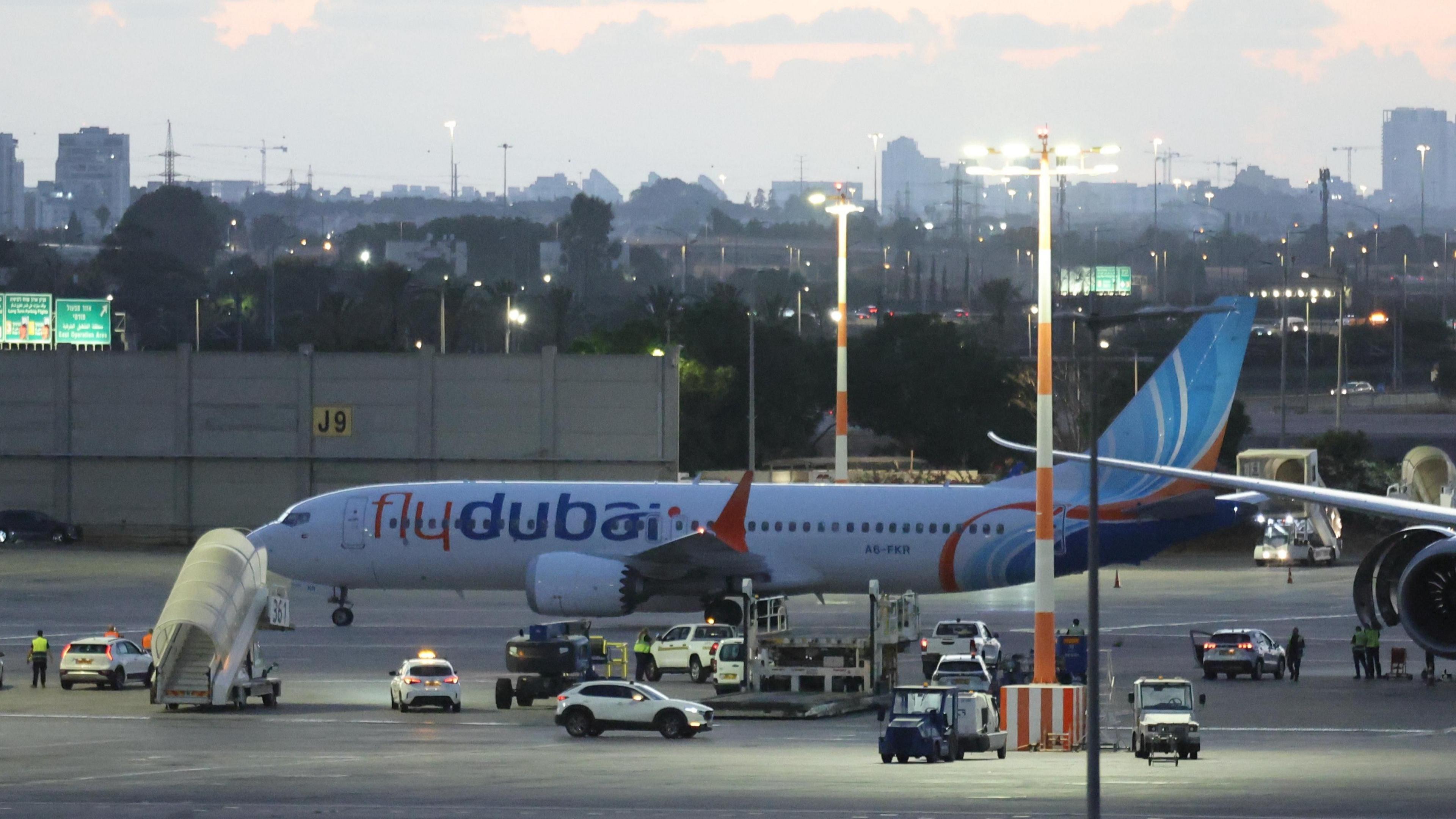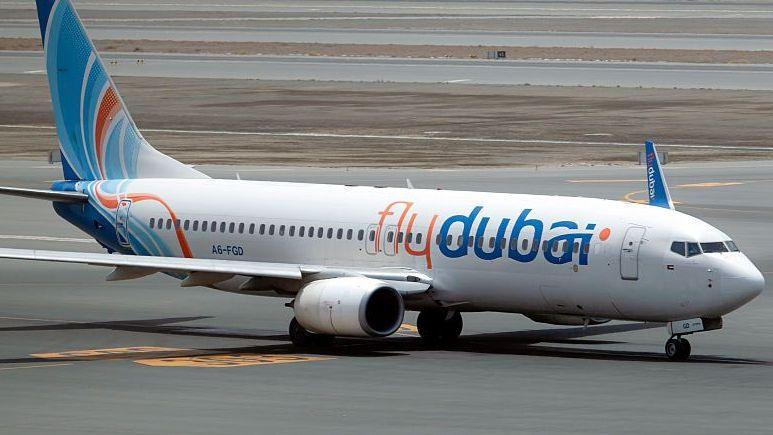
On 1 October, a Flydubai jet bound for Tel Aviv plunged 17 000 ft after a passenger from Oman stabbed the crew. The attack left the pilot the target, but passengers and the remaining crew overpowered the assailant and negotiated control.
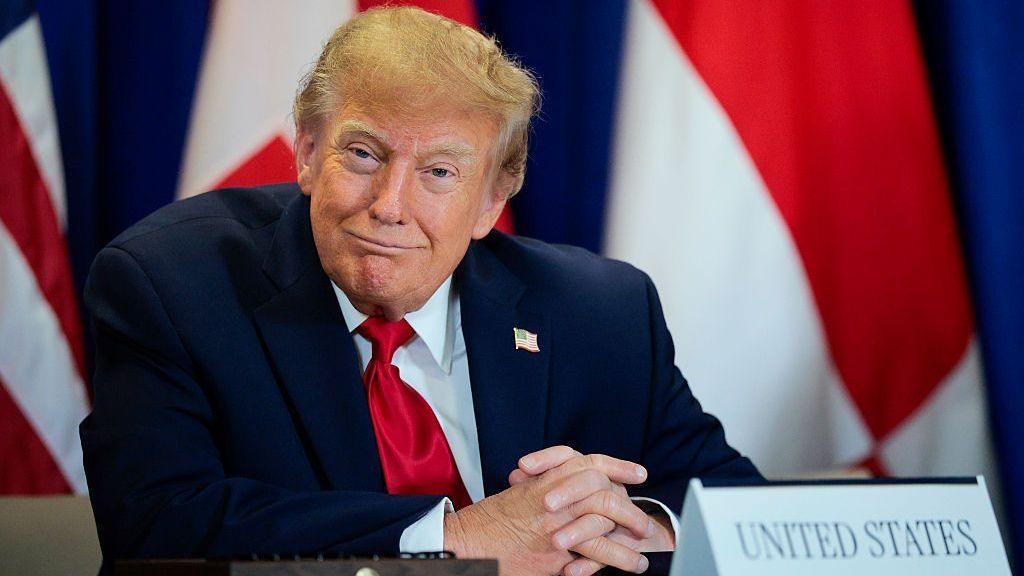
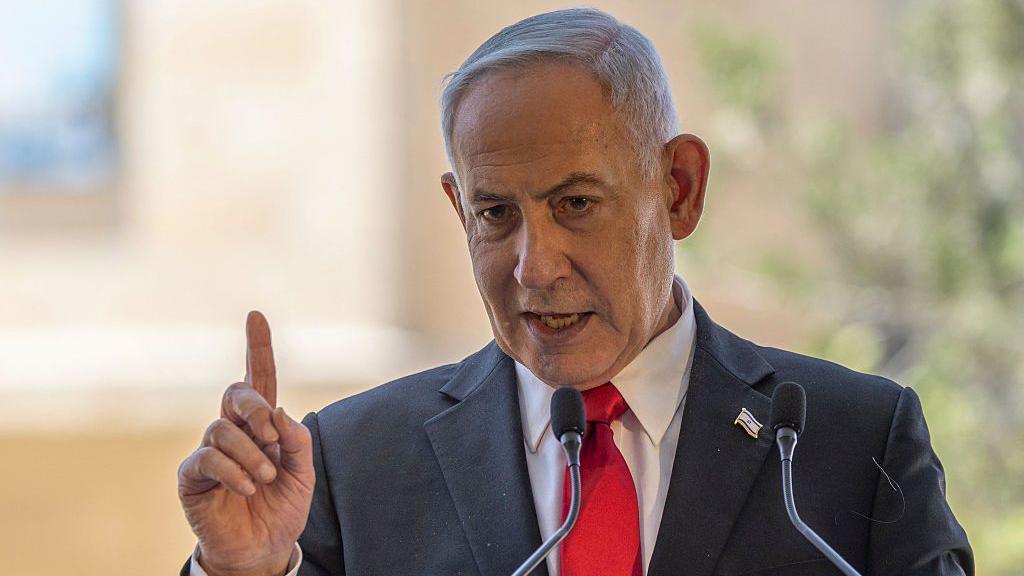
Israeli Prime Minister Benjamin Netanyahu said the attacker was “going to down the plane” and hinted that “Islamist radical indoctrination” had been a factor. He also cautioned that the person may have been suicidal, calling out to the crew as he was tied up.
Authorities in the UAE, Saudi Arabia and Israel are working together to determine whether the incident was linked to terrorism or a larger plot. Early reports suggest the attack might have been orchestrated from abroad, with possible Iranian involvement highlighted by some officials, though no hard evidence has yet been released.
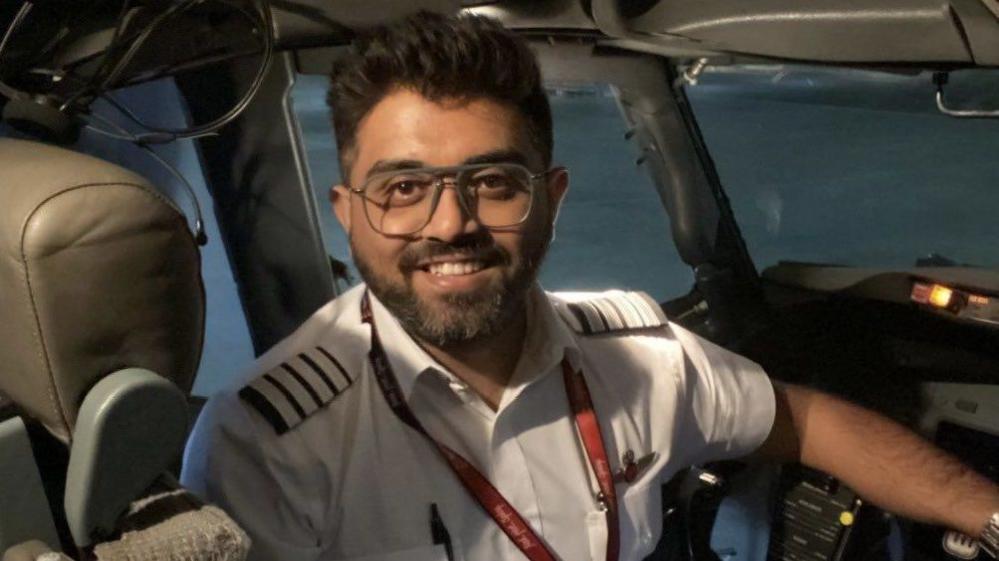
The pilot, an Indian national named Captain Smit Machchhar, was hailed as a hero by both Benjamin Netanyahu and Indian Prime Minister Narendra Modi. Visually, the Indian government praised his “immense courage” after he survived the attack and was recovered in good health.
After the emergency, the aircraft diverted to Tabuk Airport in north‑west Saudi Arabia. Flydubai has paused all Dubai‑Tel Aviv flights to conduct an internal review, while Israeli airlines are arranging rescue flights for stranded passengers.
The incident has sparked a global conversation about airport security, passenger vigilance, and the complexities of international air travel amid geopolitical tensions.