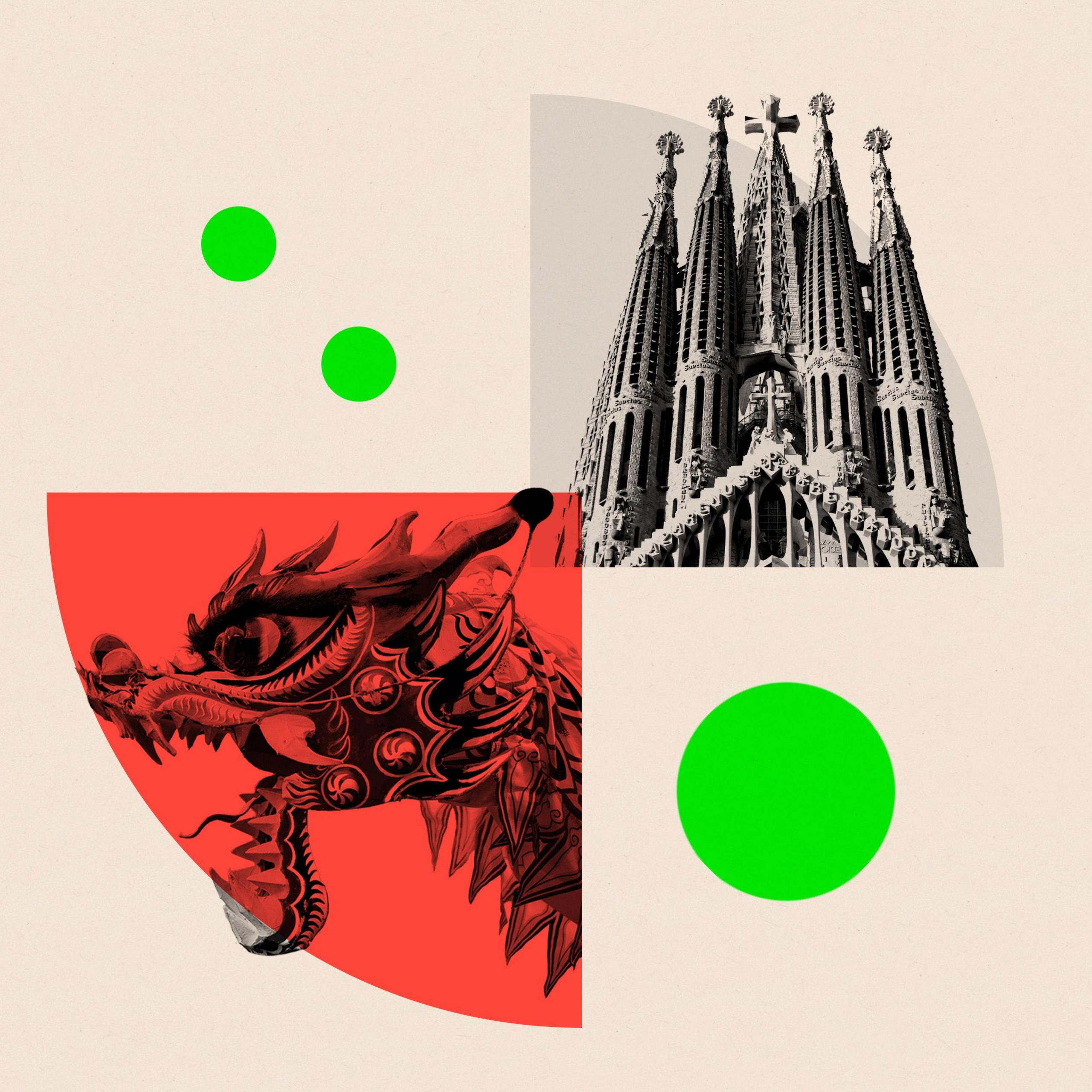
🚩 On the streets of Barcelona, Shanghai’s fighters in red and gold costumes and Chinese acrobats rolled, tossed lanterns, and created a vibrant mash‑up of Catalan spirit and Chinese flair.
First time ever, Shanghai earned the title “city of honour” for La Merce, the city’s famed, loud festival that has traditionally celebrated centuries‑old Catalan customs. Leaders from both sides said their traditions are different, yet they share a “common spirit.”
But Spain’s new‑found love for Beijing is not shared by every EU country. France, Germany and others fear China’s trade dominance and possible tech takeover, especially after Spain let Huawei store sensitive judicial data.
⚠️ Critics worry that Chinese factories in Spain could weaken the EU single market and give Beijing an inside track to avoid tariffs on its electric cars.
Despite that, Chinese firms are pouring money into the region, building battery factories and automotive plants. A recent survey showed 54% of Spaniards now view China more favorably than the US.
Spain’s Premier, Pedro Sánchez, has met China’s President Xi four times in four years, urging closer ties. EU officials see this as a shift toward “realpolitik” and a potential fracture in the bloc’s unity.
Meanwhile, Finland, Greece, and other EU members are also exploring new defence alliances, ranging from Israeli technology to advanced missile systems, to counter perceived threats from Russia and others.
In the end, the Barcelona dragon parade illustrates a larger question: can the EU stay united while its members chase ambitions that may pull them apart?🤔