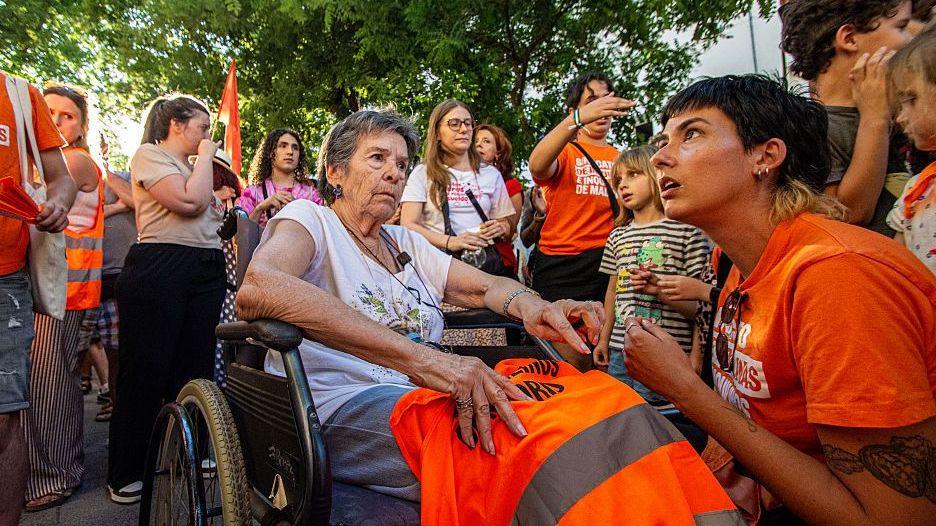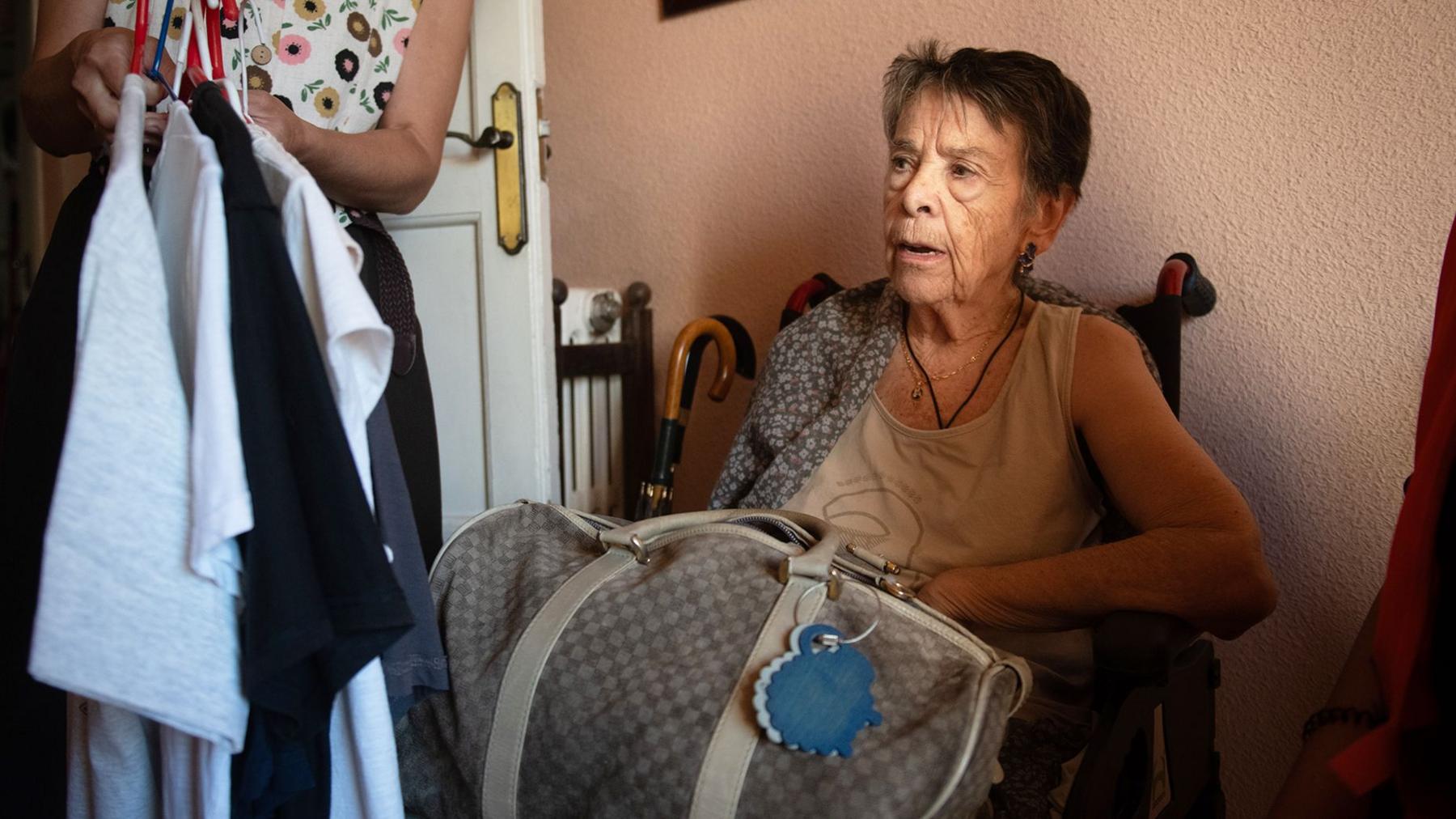
Spain’s housing protests reached a tipping point after an 87‑year‑old woman was hauled out of her Madrid apartment.
In the plaza of Puerta del Sol, dozens of protesters, many in orange, set up tents, turning the square into a living‑in “encampment” that now hosts hundreds.
Prime Minister’s coalition responded this week with a package of new laws: a tentative ban on evictions until 2030, roll‑over of tenancy contracts until 2028, stricter rules on short‑term rentals, and a freeze on deals that let investment firms buy whole‑building blocks.
Health Minister Mónica García said the measures could shield ’more than five million people’ but opposition voices warned smaller landlords would suffer.
The decrees must still win approval in Madrid’s minority parliament, giving the government 30 days to secure a vote.
For one 87‑year‑old, Maricarmen Abascal, the new law promises a chance to return home—after a deal with the property company is signed.
With protests ringing out across Madrid, Barcelona, Seville, Malaga and Cadiz, Spain’s housing crisis is now in the public eye—could this change the rules of the game?