In brief
The Gambia has been hit by prolonged power outages that have lasted up to 48 hours, prompting angry protests in the capital Banjul. President Adama Barrow appealed to calm and told citizens that the country is not alone in its energy crisis. He announced plans to install a 24‑megawatt generator by October and a 50‑MW solar plant, promising the power supply will improve. Police used tear gas to disperse demonstrators who burned tires and vandalised property. The unrest arrives weeks before Barrow’s contested third term election.
Gambia’s Power Crisis Sparks Protests, President Calls for Calm
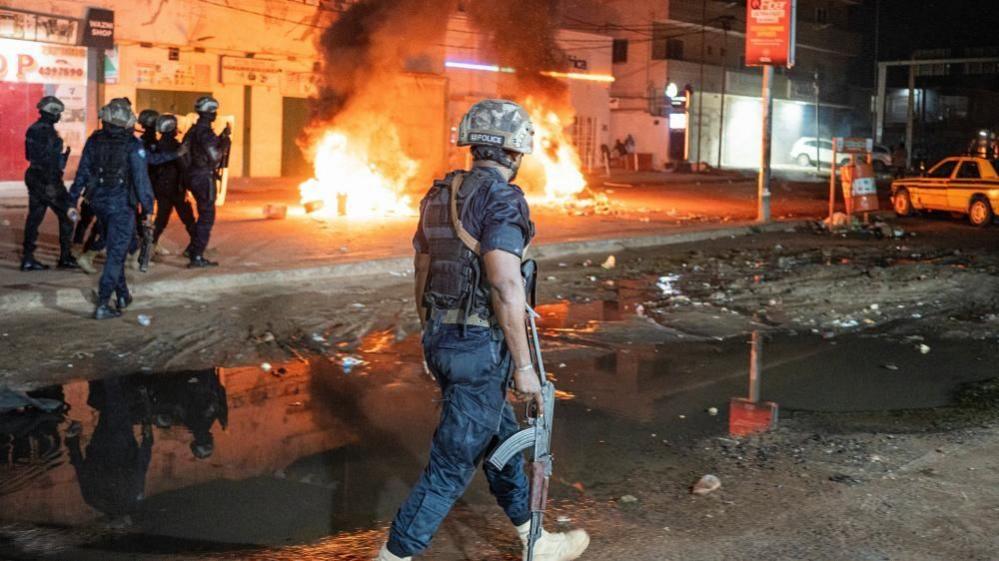
The small West African country has been suffering relentless blackouts since June, with outages sometimes lasting 48 hours. The heat and lack of electricity turned agitation into street protests in Banjul where demonstrators burned tyres and barricaded roads.
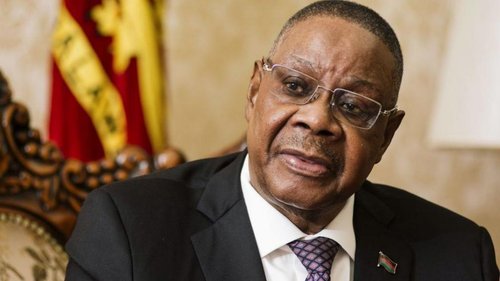
"When you lie down in the heat and the dark, believe that you are not alone in that darkness," President Adama Barrow told citizens in a televised address.
Police used tear gas to disperse crowds headed toward the national electricity company’s headquarters, while some shouted that the president must step down.
Barrow admitted the government's power infrastructure fell short and called the outages a “national security issue.” He promised the national grid would receive a new 24‑megawatt generator by the end of next month, and a 50‑MW solar plant is underway.
The unrest comes just months before a December election, with Barrow seeking a controversial third term. The president urged patience, stressing that further damage would only add cost and delay improvements.
Nawec chief Gallo Saidy added that reduced regional imports due to lower rainfall contributed to the shortages, but assured the people would soon see better power reliability.