In brief
President Macron has said that only authorised unions can protest in French cities this Saturday. The ban comes after 2,700 people were arrested, 217 jailed, and historic buildings torched. Police will be 20% stronger, and curfews still touch many towns. The move aims to calm the streets before France’s last‑year election pressure builds.
Union‑Only Protests in France After Wild Riots
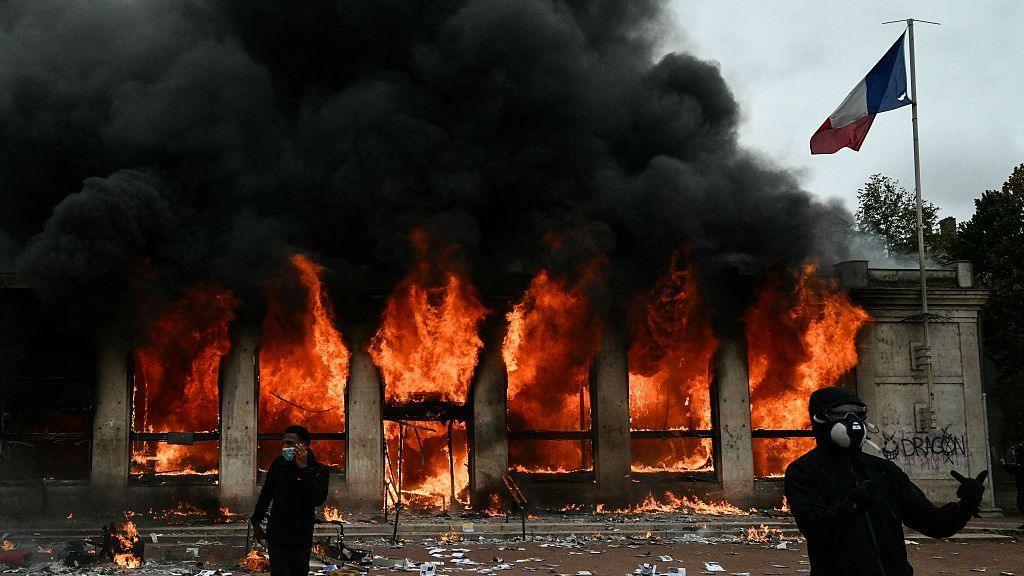
Because last weekend’s demonstrations in French cities turned violent, President Emmanuel Macron announced that Saturday’s protests will be limited to pickets and marches that are part of an authorised union. ​No other groups can legally gather on the street.
The decision comes after authorities caught 2,700 people red‑handed or in trouble and booked 217 men and women to jail. The police force will also receive a 20% manpower boost for the weekend.
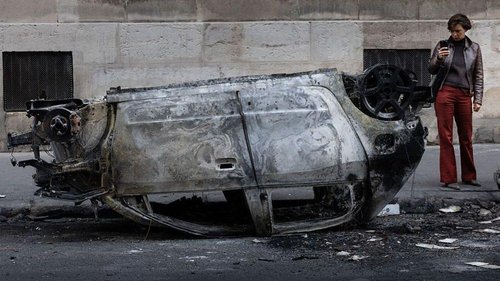
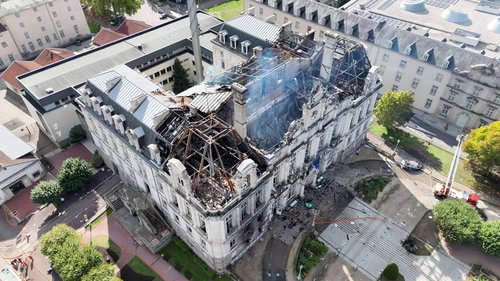
In Lyon, a tourism office was set afire, while areas of Paris and other big cities saw building fires and shop looting. Several cities have imposed night curfews and a blanket ban on demonstrations on Saturday, especially in places like Toulon, Rouen and Grenoble.
The move is partly aimed at keeping France’s streets safe as an election for the presidency approaches in April. Macron’s government points to the gilets jaunes movement, the former “yellow‑vest” protests, as a key driver behind the violence.
What does this mean? It means that non‑union activists will stay home, but union members can still gather under special routes that local prefects design. The government hopes to curb chaos while keeping the right to protest alive. The battle over how to keep order while protecting free speech is still moving, so keep watching.