In brief
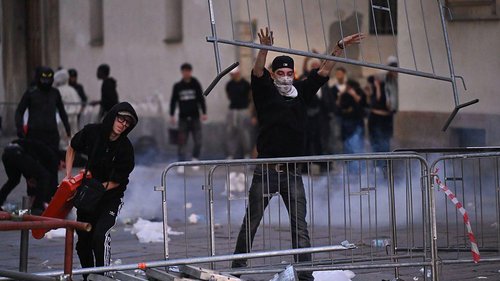
Albanian students and university staff have taken to the streets for a seventh day of clashes with riot police, demanding better university conditions, an end to corruption and Rama’s resignation. Police reports say 295 people, including 186 officers, have been injured. Protesters, led by largely young activists, have attacked government sites while authorities use tear gas, water cannons and pepper spray to disperse them. Human‑rights lawyers warn of unfair arrests, and the government claims foreign powers are fueling the unrest. The intensity of the violence has drawn international attention to Albania’s fragile democracy.
For the seventh consecutive day, the streets of Tirana have been the backdrop for violent clashes between riot police and a young, fiery youth movement demanding political change.

The protests, largely led by high‑school and university students, seek to oust 13‑year‑old Prime Minister Edi Rama, citing bad university conditions, corruption and a need for real democratic elections.
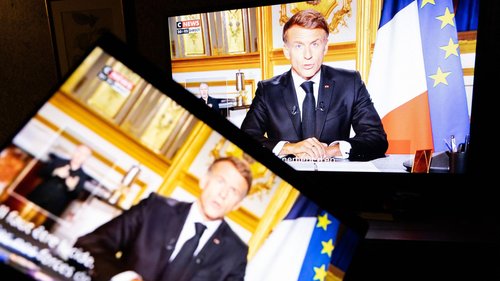
Police reports show 295 people have been hurt, 186 of them officers. In a controversial statement, Rama told police chiefs, “The state has fallen when it negotiates with this,” while brandishing a stone hurled at the police.

Rama blamed the violence on “dark forces in Europe and the US,” while protesters countered that their actions stem from frustration over years of neglect.

Those on the ground warn of chaotic police tactics: water cannons, tear gas, pepper spray, and a tendency to arrest non‑participants. Human‑rights lawyer Gentian Sejrani notes that many arrested have no connection to the protests.
Activist Sidorela Vatnikaj, 27, describes every day as a race to coordinate supplies and rescue fellow protesters, showing the personal toll of the unrest.
Vatnikaj says the police ignite the most violence, but the aggrieved youth feel heard only when they protest. She calls for a technocratic government for a year to pave the way for free elections.
With 13 years in power, Rama’s promises of EU membership by 2030 now face doubt amid claims of election rigging and ties to organized crime. The ongoing protests may well shape Albania’s next political chapter.