In brief
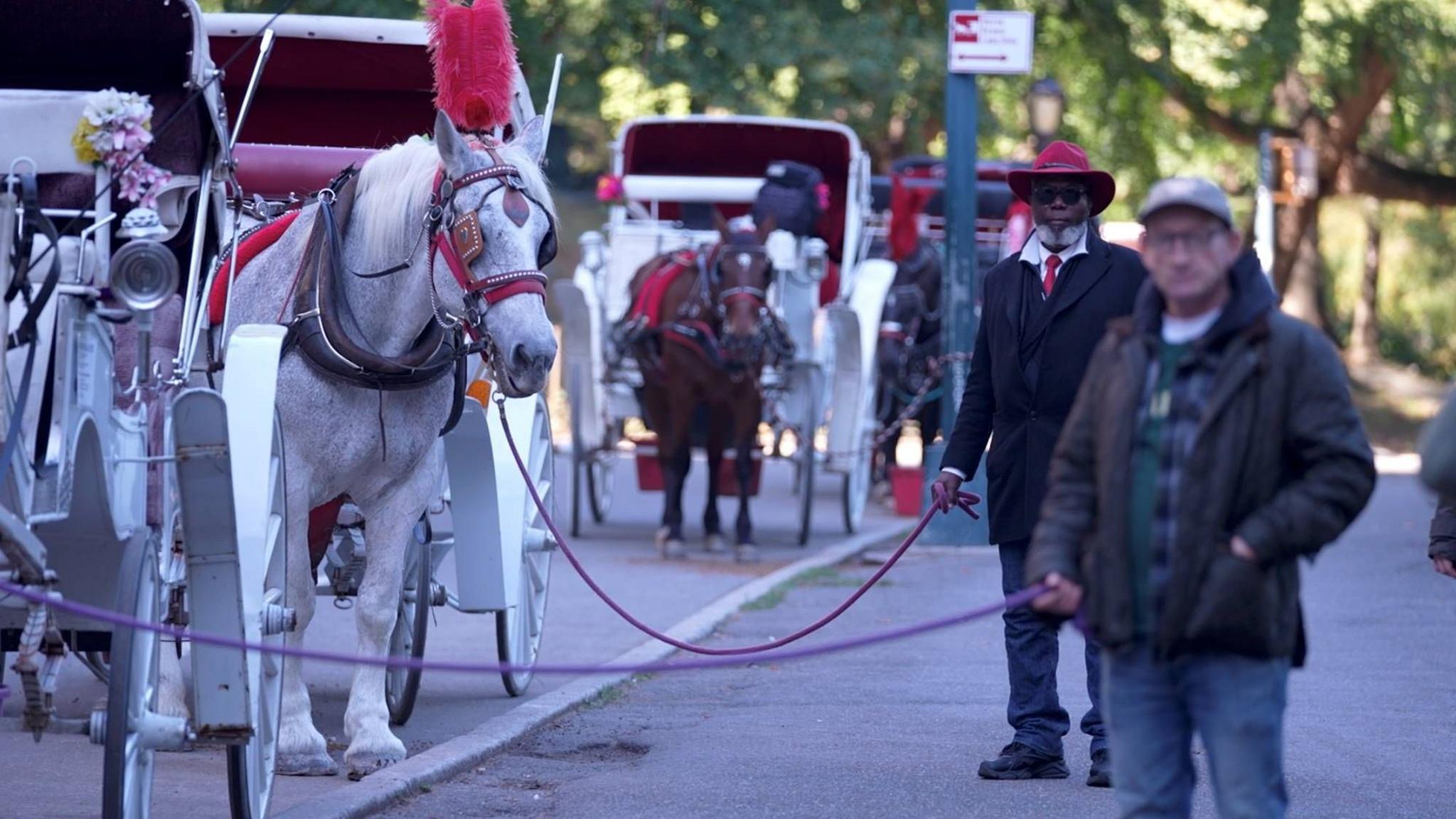
The city council plans to outlaw Central Park’s horse‑drawn carriages in June 2028, citing safety and animal‑welfare concerns. While New Yorkers and tourists welcome the move, around 200 carriage drivers—many of whom have bonded with their horses for years—warn that the ban will jeopardise jobs and the well‑treated work lifestyle their animals enjoy. The debate centres on whether the historic pastime is worth the risk of accidents and the ethical dilemma of selling horses off‑market, while city officials promise a transition plan that critics say is vague. The controversy reflects broader tensions over animal use, tourism revenue and workers’ rights in the city’s iconic park.
NYC’s Horse‑Carriage Showdown
The city’s newest rule will ban horse‑drawn carriages in Central Park by June 2028. The ban follows a teenage rider’s death and a spike in accidents, prompting mayoral support and city‑wide debate.
What the drivers say
Alexus Lawson, 28, has guided tourists for six years, bonding with her six horses. She worries how she will earn a living after the ban and how her horses will be cared for, noting that the park’s carriages are among the most tightly regulated worldwide.
Another driver, Medet Fidan, says his family lives around the horses and calls mistreatment accusations “a joke.” He insists officials haven’t talked to him before setting a date for the ban.
Tourist views
Many visitors enjoy the sights and sounds of carriage horses. German tourist Christian Bauers says it’s part of New York culture, whereas Vanessa Stolle, also German, worries the noisy park is too confining for the animals.
City’s response
Mayor Mamdani offers a transition plan: job placement, training, and financial compensation for affected workers. The Transport Workers Union doubts the plan covers all promised payouts and warns thousands of horses could end up in slaughter auctions if the ban passes.
The safety debate
- Accidents: 40 horses have died since 1982, mainly from overheating and collisions.
- Regulation: Carriage horses work up to nine hours daily, paid $72.22 for a 20‑minute ride (plus $28.89 per extra ten minutes).
- Policy: The proposed bill names the legislation “Romanch’s Law” after a 17‑year‑old who died in a carriage accident.
The city must balance tourist appeal, animal welfare, and workers’ rights, while deciding if the historic past deserves a second chance—or a permanent stop.
Stay tuned for the council’s vote and the public’s reaction to this historic change.