In brief
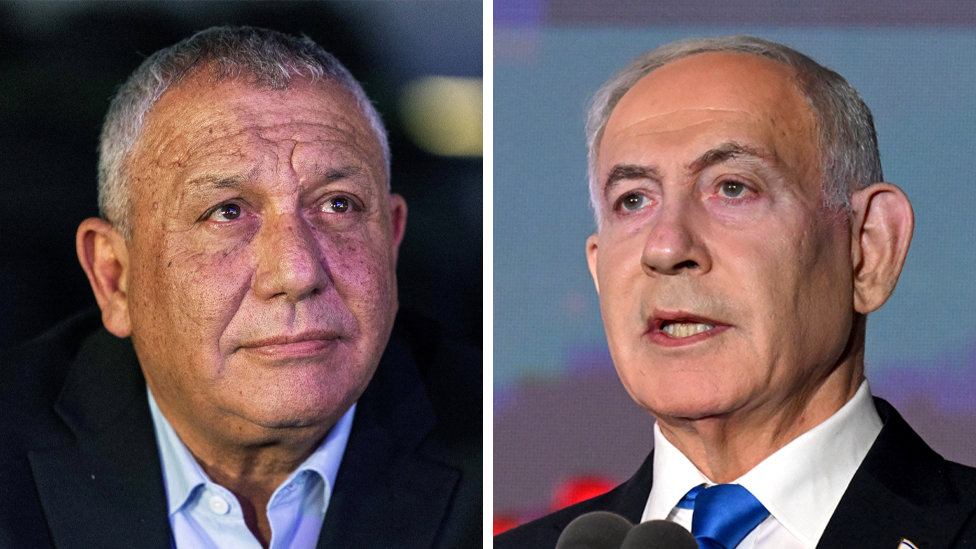
Israel’s general election, scheduled for Oct 27, is the most crucial since the 2023 Hamas attacks. Incumbent Benjamin Netanyahu faces challenger Gadi Eisenkot, former IDF chief, and other right‑wing leaders. With a proportional voting system, the 120‑seat Knesset likely demands a coalition, meaning weeks of negotiations before a new government is sworn in. Key battlefields include security, conscription, judicial reform and the future of the West Bank and Gaza. The outcome will shape the lives of both Israeli citizens and Palestinians and could influence global politics.
Who’s in the Spotlight
Shortly before the election, almost every polls corner points to Benjamin Netanyahu and Gadi Eisenkot. Netanyahu has held the premiership for more than a decade, but Hamas’ 2023 attacks have shaken his war‑plan reputation. Eisenkot, just a year into politics after an army career, pushes a “security accountability” message and is backed by many who want fresh leadership.
How Israel Votes
Israel’s parliament, the Knesset, has 120 seats. To win, a party or coalition must get 61 or more. The country uses a proportional system, so parties share seats based on the share of votes. Because of that, after polls close, it can take weeks of talks before a government finally takes office.
Big Topics on the Ballot
Security topped the list—everyone is questioning how Hamas slip‑throughs happened. Next comes conscription; many ultra‑Orthodox Jews still dodge army duty. The judiciary has also become a hot debate; proposed reforms could reduce court independence. Living‑cost hikes, from food to housing, keep voters on their toes.
What It Means for Palestinians
Both Netanyahu and Eisenkot lean toward keeping Israeli troops in Gaza if a ceasefire lasts. In the West Bank, settlement expansion continues under most parties, but Eisenkot is more cautious, opposing the controversial E1 project. These policy choices will dictate daily life for Palestinians and the shape of future peace talks.
When You’ll Know the Winner
At 20:00 GMT, exit polls appear on television but can be uncertain. Official results go live on 4 November. President Herzog then invites the most promising leader to form a government—a process that may stretch into December. If no one can secure a majority, Israel could head for a fresh round of elections.