In brief
A summer of fury erupted in Paris on 17 October, leaving wreckage and shattered glass. Politicians from every side finger each other – the left accuses far‑left groups, the government blames the police. Student protests, social‑media mobilisations and media hype have turned an on‑street clash into a national debate. Amid the chaos, voters are left wondering whether the unrest will reshape France’s political landscape.
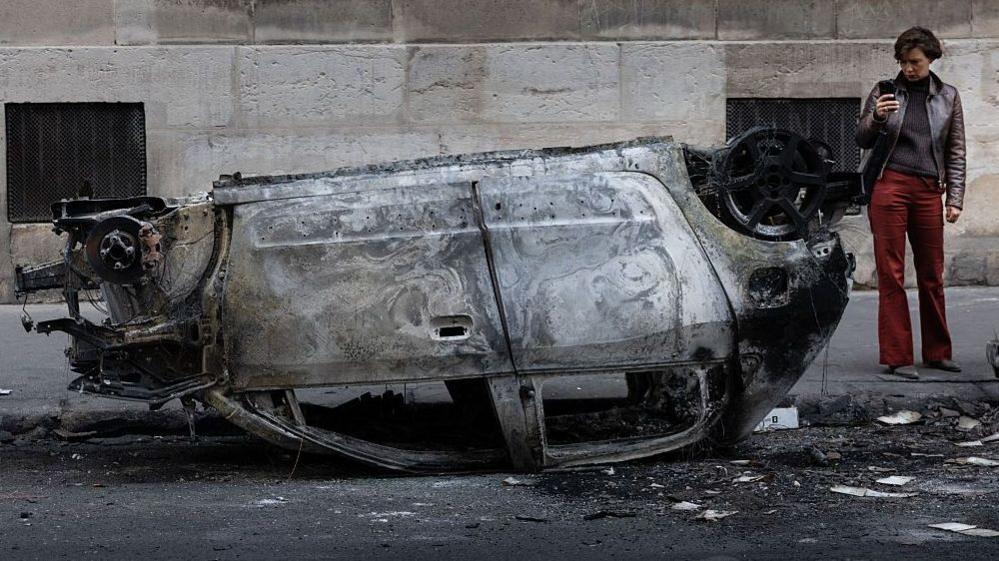
In the bright lights of Paris, the evening of October 17 left a city scarred with shattered windows and burning cars. The headlines say "riots" but the real story is a battleground of blame, with the government pointing to far‑left activists and the opposition pointing the finger at the police.
Who’s behind the chaos?
Reports say the violence was "planned" by a group known as the "A" left‑wing anarchists, but student groups say they were mobilised on their own through social media. Sources inside the Ministry of Interior say police were "outnumbered" while governments claim they had a solid plan to keep the streets safe.
Students voice their anger
In Saint‑Denis, a student union leader said the protests were planned through messaging apps, not government orders. Yet many young people feel abandoned by leaders who talk about "order" while ignoring the root causes of higher living costs and reduced public services.
Political fallout and the next election
The next presidential race is just six months away. Leaders from all sides are using the unrest to paint rivals as weak or dangerous, while the public grows more frustrated with a system that seems slow to listen.
French authorities are now under pressure to explain intelligence failures, to increase police presence, and to find a way to make streets safe without alienating the young voice that sparked the protests.