In brief
Indonesia’s 2026 wildfire season is the fiercest in a decade, driven by burning peatlands that release massive amounts of CO₂. The smoldering fire spreads toxic haze to millions, sweeping into Singapore, Malaysia, and beyond. Peat soils hold deep water‑logged carbon, and when dry they smolder for weeks, making containment tough. Scientists explain the fire’s chemistry, its impact on air quality, and the challenges of saving peatlands. SnapScope breaks down the science in a short, visual story for curious learners.
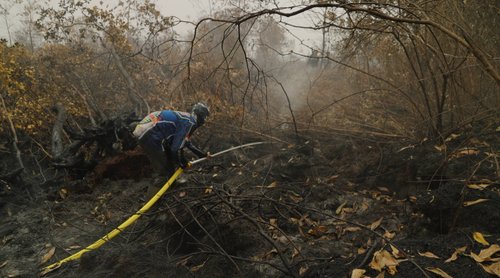
Peat fires are a silent, long‑burn that can scorch an entire country for months. In 2026, Indonesia’s central Kalimantan region turned into a tinderbox—more than any decade before—fueling toxic haze that clouded Kuala‑Lumpur, Singapore and even the Philippines.
What is peat?
Peat is a deep layer of partially decomposed plant material that forms in water‑logged soils. It’s rich in carbon, but when the water level drops it dries out and can ignite. Once lit, peat doesn’t burn flat‑on like wood—it smolders underground, releasing sulfur, methane and a slow, low‑oxygen flame that can last for weeks.
Why are peat fires so deadly?
- Carbon powerhouse: One cubic meter of burning peat can emit up to 70 kg of CO₂—half the amount of a large truck.
- Toxic haze: Fires release fine particulate matter (PM2.5) that can travel thousands of miles, choking lungs and making air quality below WHO guidelines.
- Hard to extinguish: The underground flames need deep, sustained flooding or removal of soil, not quick water douse.
- Economic shock: Smoke disrupts flights, agriculture and health services, costing Indonesia billions.
Can we stop the smoke?

Quick Quiz for You
What’s the biggest lesson from Indonesia’s peat fires? Answer