In brief
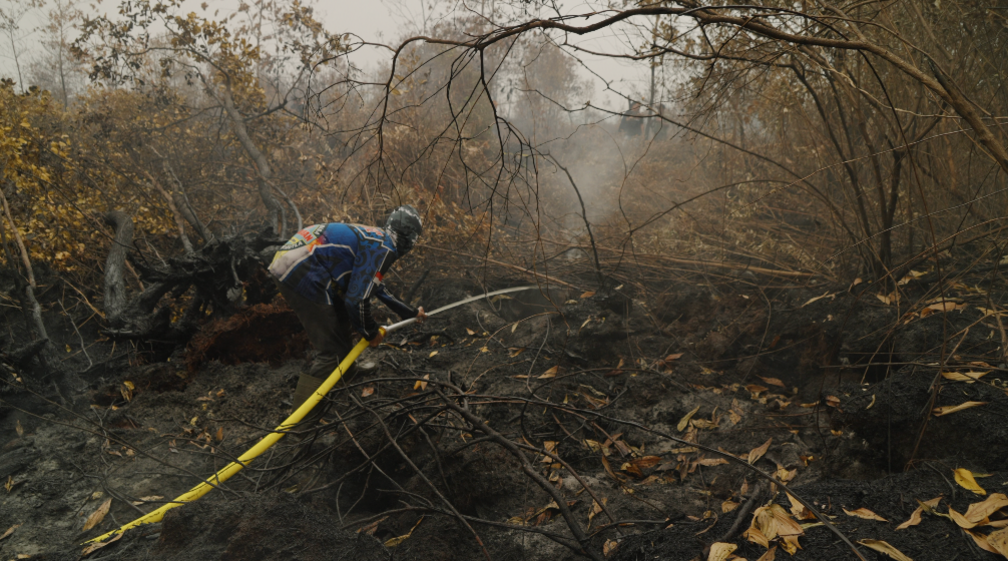
Peatland fires in Central Kalimantan have turned Indonesia’s skies a rusty red, filling the air with dangerous dust and carbon monoxide. Families like Dianyra and her kids live behind that haze, worried their children might cough or get sick. Firefighters, a local army, and even a ’weather‑could‑stop‑fire’ plan are all fighting for a clean air rescue. At the same time, kids are staying home, doing homework online, and hope rain will bleach the poison back away. It’s a reminder that climate trouble can make everyday life feel like a survival game.
Borneo Is Burning – Living Behind the Toxic Haze
When the Indonesian sun blazes over Borneo, everything looks like rusty orange. Smoke from huge forest fires so thick that it turns the day into a dim gray, kids and elders alike can’t breathe normally outside. The danger is not just the flames, but the thin, poisonous mist that drifts across all of Southeast Asia.
How the Haze Hit Families
Dianyra Eka Nastiti, a mother of three, sleeps with a ringing cough in the night. Her little girl used to fight pneumonia, and now the day’s smoke scares her more. "I worry every night—will our babies cough tomorrow?" Dianyra says, as the city of Palangkaraya is swamped by a haze that can’t be ignored.
Kids like Natari Victoria stay home because the air is just too dusty. “The fire hurts everyone’s lungs,” Natari explains. She sees her cousins cough the same way.
Why the Haze is So Bad
Burnt peat and forest release big amounts of micro‑particles that can slip deep into your lungs and even the bloodstream. Small children, the elderly, and pregnant sisters are the most affected. When the sky turns yellow, people are told to stay inside – but not all can stay away from work, food, or school.
Firefighters struggle because peat fires soak into the ground and can keep burning underground for weeks, even months. With less rain from a giant “Super El Niño” drought, water is scarce, making it hard to put out the fire.
What’s Being Done
Indonesia has sent 60,000 workers to tackle the blaze and even tried sky‑dropping water, but the fire spills like a wounded ship. Health officials say 277,000 people have gotten lungs sick this year, 62,000 of them children under five.
Scientists warn that the cigarettes of the planet are not ending. They hope that a big rain storm could finally turn the smoke away, but until then, the whole region is stuck breathing the thick, poisonous air.
What Kids Can Do
You don’t have to be a fire‑fighter, but staying inside on bad days, wearing masks, and talking to grown‑ups about cleaning the air are all good moves. Learning about how power helps with these problems can even help you become a future hero for the planet.