In brief
A wave of protests across France over rising fuel costs and public services turned many quiet streets into scenes of fire. In Paris, the Place de la République saw kiosks, cars and the statue of the Republic set ablaze while police struggled to contain the chaos. Mayors from Marseille to Lyon fired scorned shots at the lack of control, and the Prime Minister ordered local curfews to keep people and businesses safe. The unrest sparked fierce national debate on how to curb such outings while preserving the freedom of demonstration.
Fire‑filled protests rock France’s cities
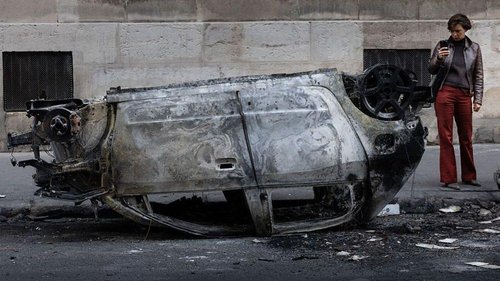
The country hit the news with organized demonstrations against rising fuel costs, cost of living worries and school services. While most protestors shouted slogans, a minority dressed in black banners broke into cars, shops and public buildings, setting them on fire.
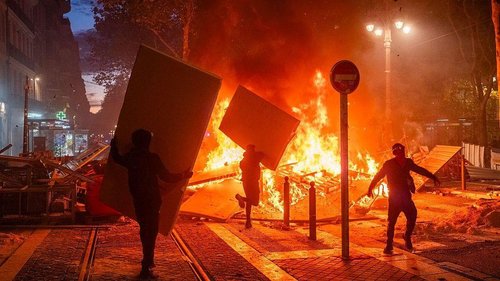
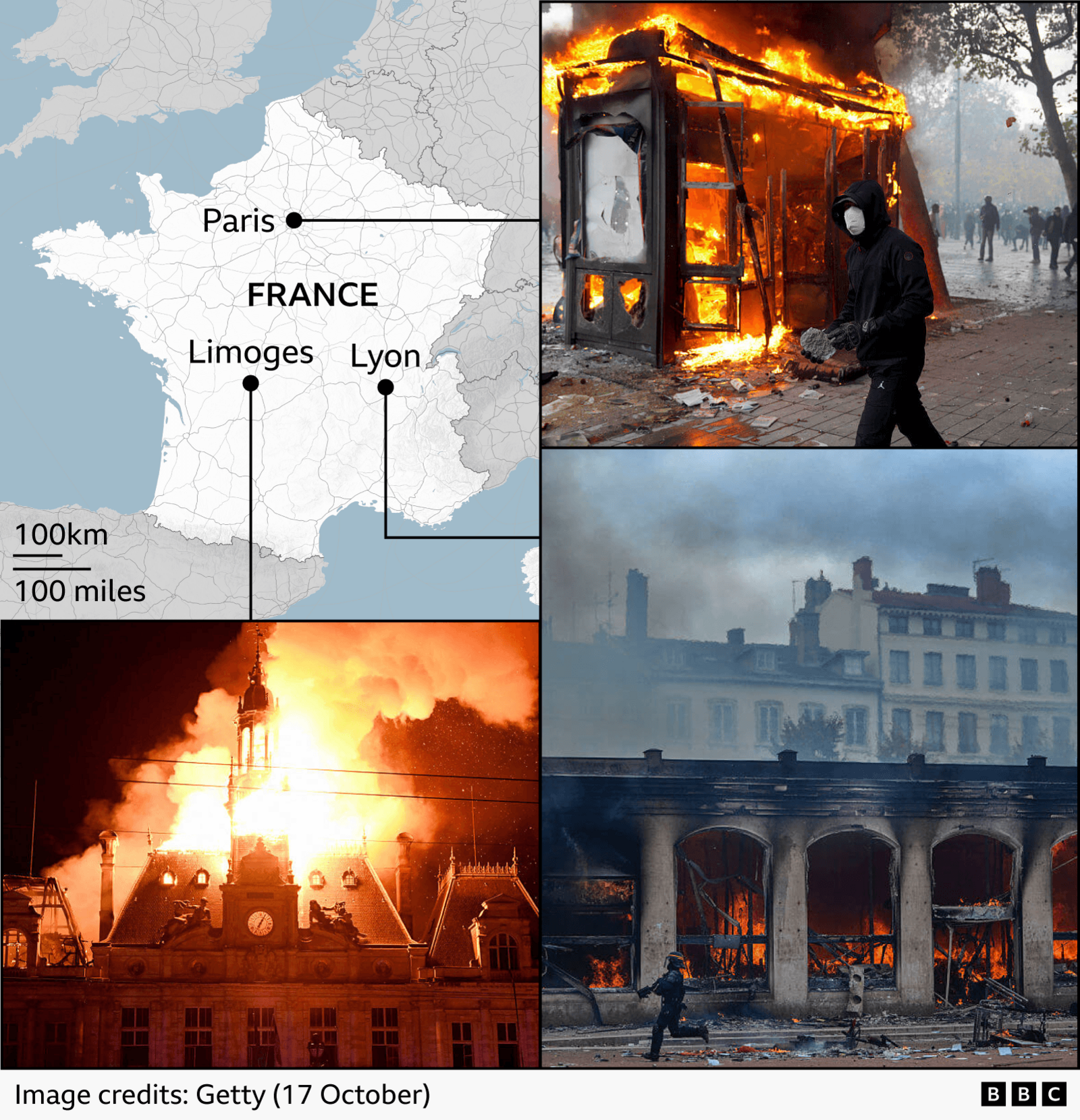
In Paris, the Place de la République became a wildfire hotspot. Flames licked kiosks, car hoods, and the iconic Statue of the Republic was wrapped in a yellow security vest – the symbol of the yellow‑vest movement.
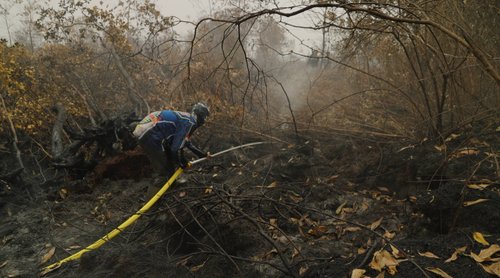
Firefighters work to control the blaze on Place de la République, Paris.
Marseille saw the city hall ransacked; a marble bust of Marianne shattered. In Lyon, the old tourist office burned, while Limoges’ historic town hall collapsed after a fire set by a determined group.

The statue of Marianne falls inside Marseille city hall after the protest.
Mayors across the country slammed the lack of control. Mayor Benoît Payan of Marseille called it a “shame of Europe”, and Lyon’s mayor said the tourist office blaze was a tragedy.
In response, Prime Minister Sébastien Lecornu empowered local mayors to impose partial curfews and authorised police to use water cannons in hotspots. Interior Minister Laurent Nuñez offered to resign, but his resignation was rejected.
France now watches closely as another wave of protests looms next Saturday. The country faces a tough choice: protect public structures and ensure safety while preserving the right to protest.