In brief
Cities across France erupted in violence after student protests over school conditions spilled into wider social unrest. A partial curfew was imposed by Prime Minister Sébastien Lecornu to protect people and property. Experts say this unrest signals a higher‑stakes election, as citizens question government response. The BBC’s Paris correspondent Hugh Schofield examines how a nation in turmoil may shape campaign strategies.
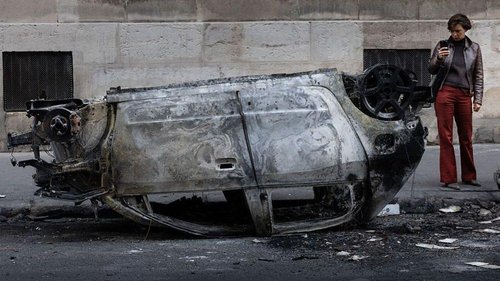
🚨 French fire sparked this weekend as riots went off in cities and towns—from Paris to Marseille—after students in 2024 pushed for better school conditions. The unrest turned into looting, vandalism and outright chaos for hours on end.
Prime Minister Sébastien Lecornu said local councils could now set a *partial curfew* to protect people and businesses. “We have the right to enforce order,” he told the press.
But the toll isn’t just an abstract political problem. It’s a warning that a 2026 presidential election might be far more intense than usual. Politicians will have to show how they can bring peace and pride back to the streets.
BBC’s Paris correspondent Hugh Schofield calls France “reeling” and argues the unrest is a litmus test of the government’s future.
Want to see the footage? Tune into the BBC Live stream linked above, or scroll for a quick 20‑second clip on how the riots unfolded in Lyon and beyond.