In brief
When a 42‑year‑old nurse returned to Abuja after a short holiday in Kampala, she was tested positive for Ebola. Nigeria’s health officials quickly identified 44 contacts and moved to contain the virus while working with Uganda and Ethiopia. Authorities say the patient had likely contracted the virus outside Nigeria, prompting a coordinated effort to trace her journey. Despite the scare, no other cases have emerged yet, and national health teams are reinforcing surveillance in the region. The incident highlights the challenges of detecting and managing Ebola in an interconnected world.
The first confirmed Ebola case in Nigeria in months came from a 42‑year‑old woman who had just spent two and a half weeks on holiday in Kampala, Uganda’s capital, before returning to Abuja.
Officials say the patient had flown back with a stopover in Addis Ababa, Ethiopia, and flew home on 3 October. She developed symptoms the next day and turned to a private hospital for help, but doctors later suspected Ebola.
Health Minister Muhammad Ali Pate announced the result of lab tests on 19 October, confirming Ebola. Authorities identified 44 contacts, and everyone who might have been exposed is now in isolation.
The Africa Centres for Disease Control and Prevention (Africa CDC) is working with regional partners to trace the patient’s travel route, hoping to find where the virus was contracted. Pate urged other African nations to share surveillance data and avoid travel bans, saying cooperation is key.
No contacts have shown symptoms so far, and the patient is improving. The incident underscores how easily a virus can cross borders and the importance of rapid testing and monitoring, especially in regions where other illnesses like malaria can mimic the symptoms of Ebola.
Key facts:
- Ebola’s incubation period can be up to 21 days.
- The outbreak began in DR Congo in May 2026 and has spread to multiple African countries.
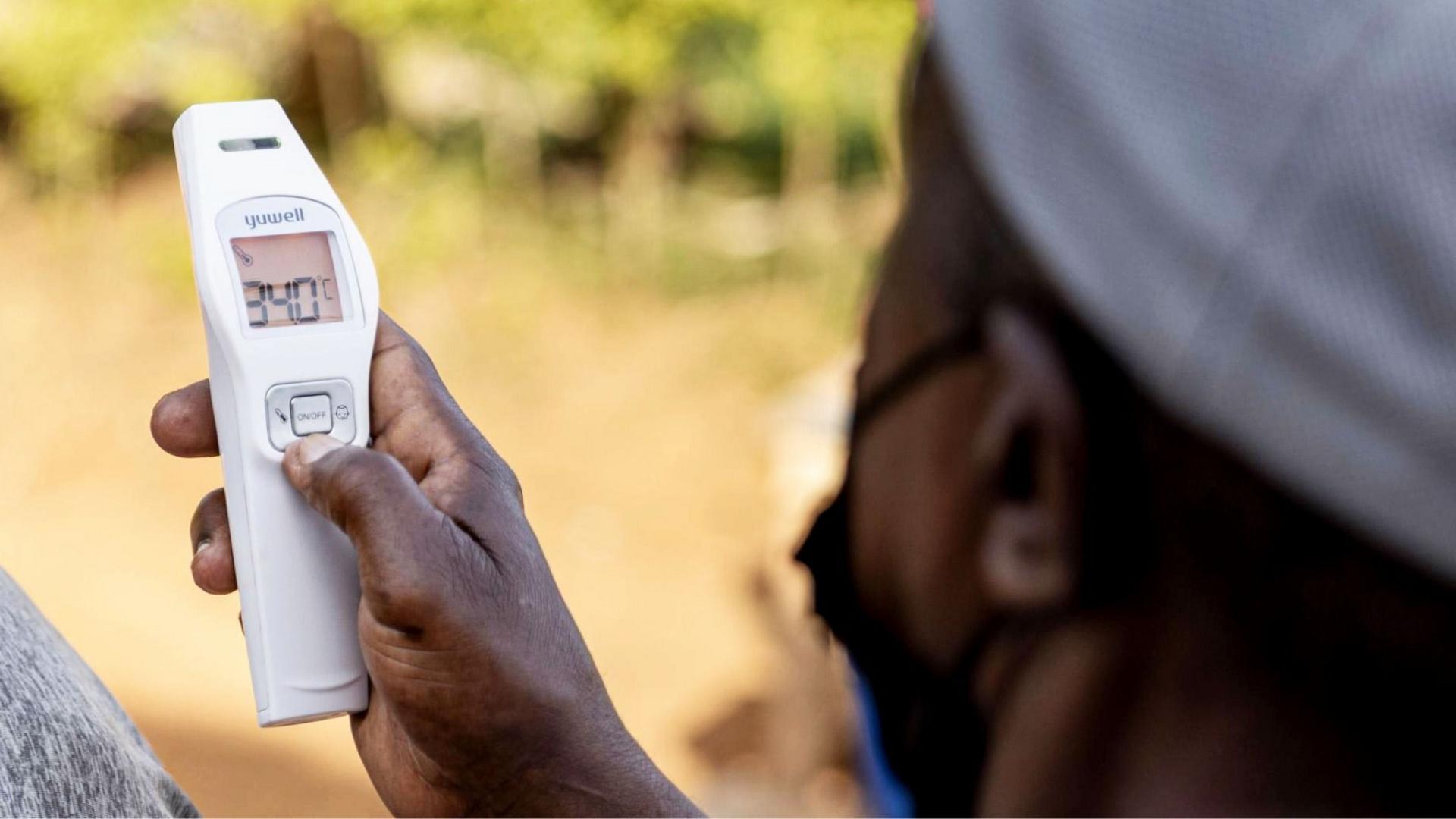
- Preventive measures include temperature checks and contact tracing.
- Collaboration across countries is essential to fight the spread.
For more on how Ebola travels and its global impact, stay tuned to SnapScope’s quick‑hit summaries.