In brief
The upcoming Israeli election could see Arab parties become kingmakers, as no single bloc appears poised for a majority. In Nazareth, a wave of young Arab voters are distributing leaflets to encourage turnout. The stakes are high, with the right‑wing coalition led by Netanyahu in danger of losing its seat, and opposition groups moving to collaborate with Arab parties. A backdrop of increased crime and post‑war tensions amplifies the urgency for Arab Israelis to demand equal treatment. Behind the scenes, modern tech and viral campaigns are becoming key tools in the political mobilization.
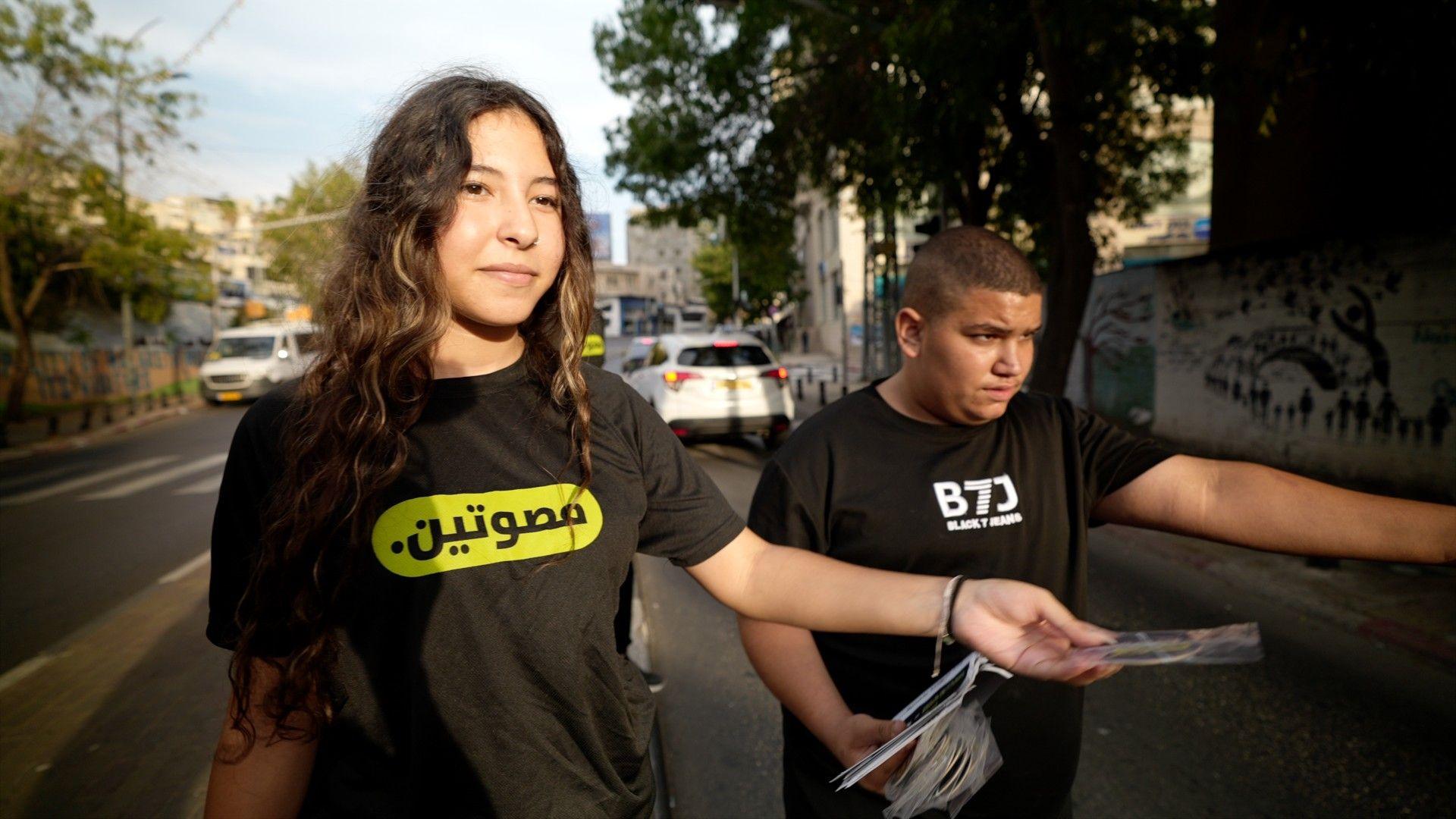
In Israel’s most‑populous Arab city, Nazareth, a flash‑mob of twenty‑year‑olds is handing out flyers to get Arab Israelis to cast their ballot next Thursday. The election is seen as a showdown: the right‑wing coalition led by Netanyahu versus a mix of centre‑right and left‑wing parties.
The kicker? Arab parties could hold a balance‑of‑power seat. Polls say no single bloc can win a majority, and if Netanyahu’s bloc falters, opposition leaders might need to turn to the Arab vote— or give up their pledge to rule without them.
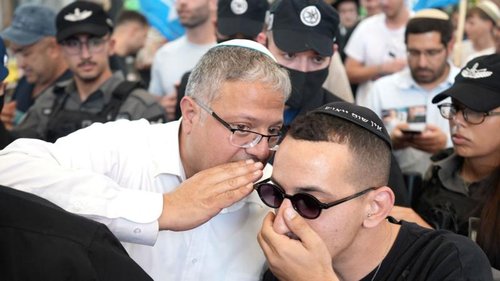
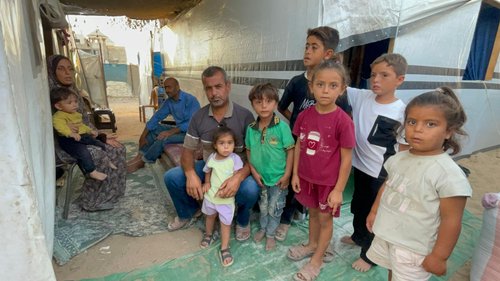
But that path is fraught. A far‑right minister vowed to “Judaise” Arab areas, and after the 2023 Gaza war, many Arab citizens feel ignored and pushed to the margins. A high crime rate and slow police response only fuels their frustration.
Video‑summaries on 60‑second reels show how these young activists are turning the vote into a rebellion‑style movement, using memes, TikTok clips and hashtag battles to rally troops. Their goal: shape policy and bring a new chapter to Israeli democracy.